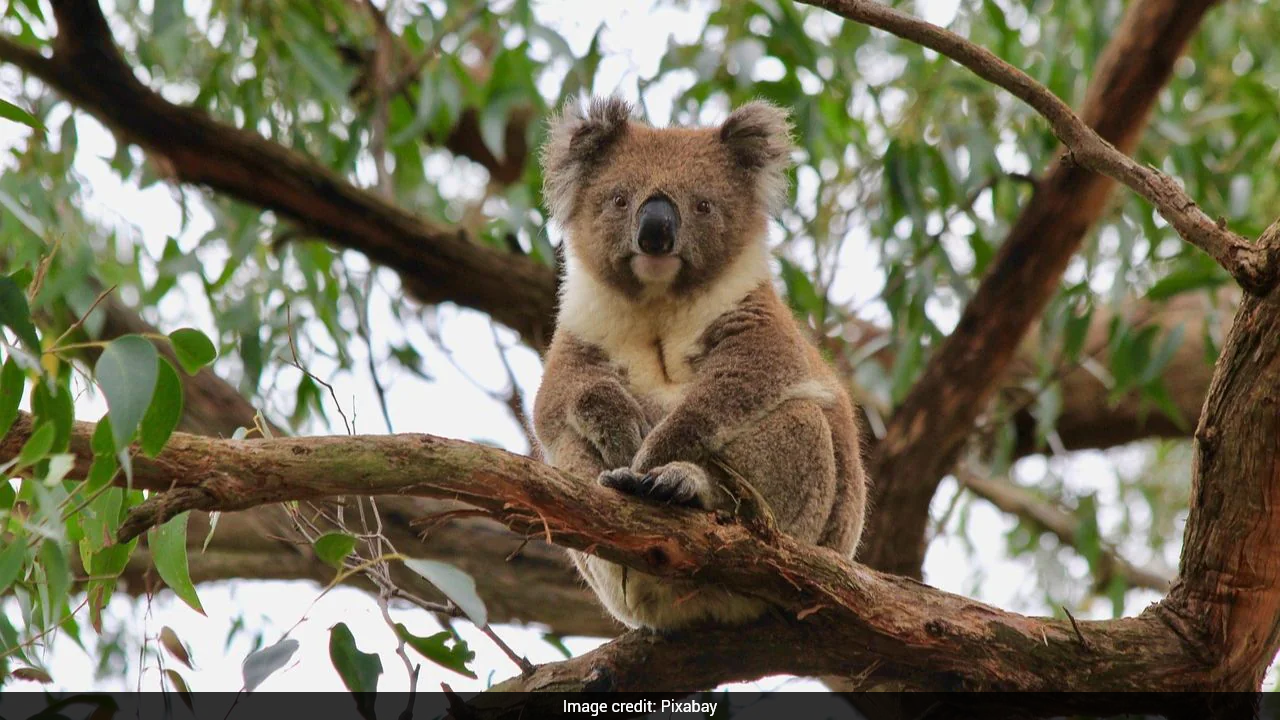

Do you know which animal, apart from humans, has fingerprints that closely resemble those of humans? If monkeys or chimpanzees come to mind, think again. The answer is the koala, one of Australia's best-known and most beloved animals. Koalas are tree-dwelling marsupials, which means their young develop in a pouch. Their fingerprints are remarkably similar to human fingerprints, making them unusual among non-human animals.
Koalas have thick fur that feels much like the coarse wool of a sheep. They live in the eucalyptus forests of eastern and southeastern Australia. When they are not sleeping, they are usually eating.
According to National Geographic, koalas depend on eucalyptus trees for both food and shelter. They can eat more than a pound of eucalyptus leaves a day. These leaves contain compounds that are toxic to many animals and are difficult to digest. Koalas have a specialised digestive system that helps them break down these compounds and extract nutrients from the leaves. However, their diet provides relatively little energy.
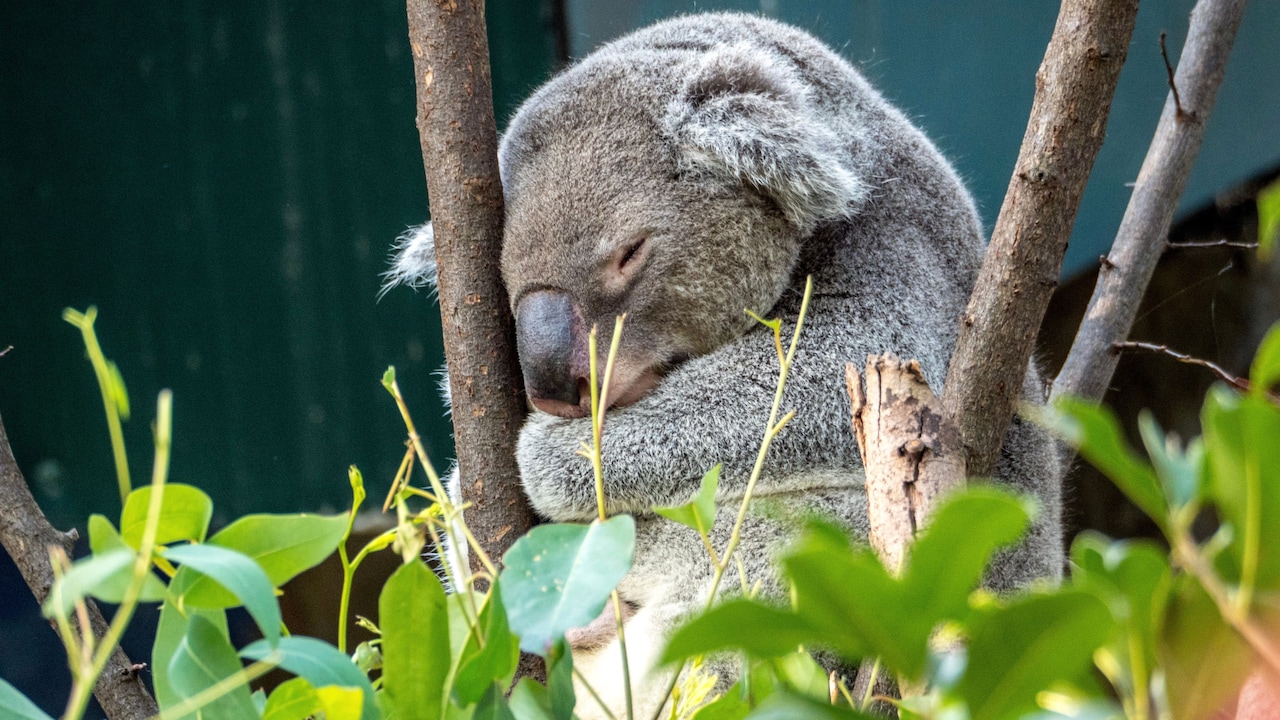
This is one reason koalas spend so much time sleeping. They can sleep for around 18 to 22 hours a day, conserving energy between meals.
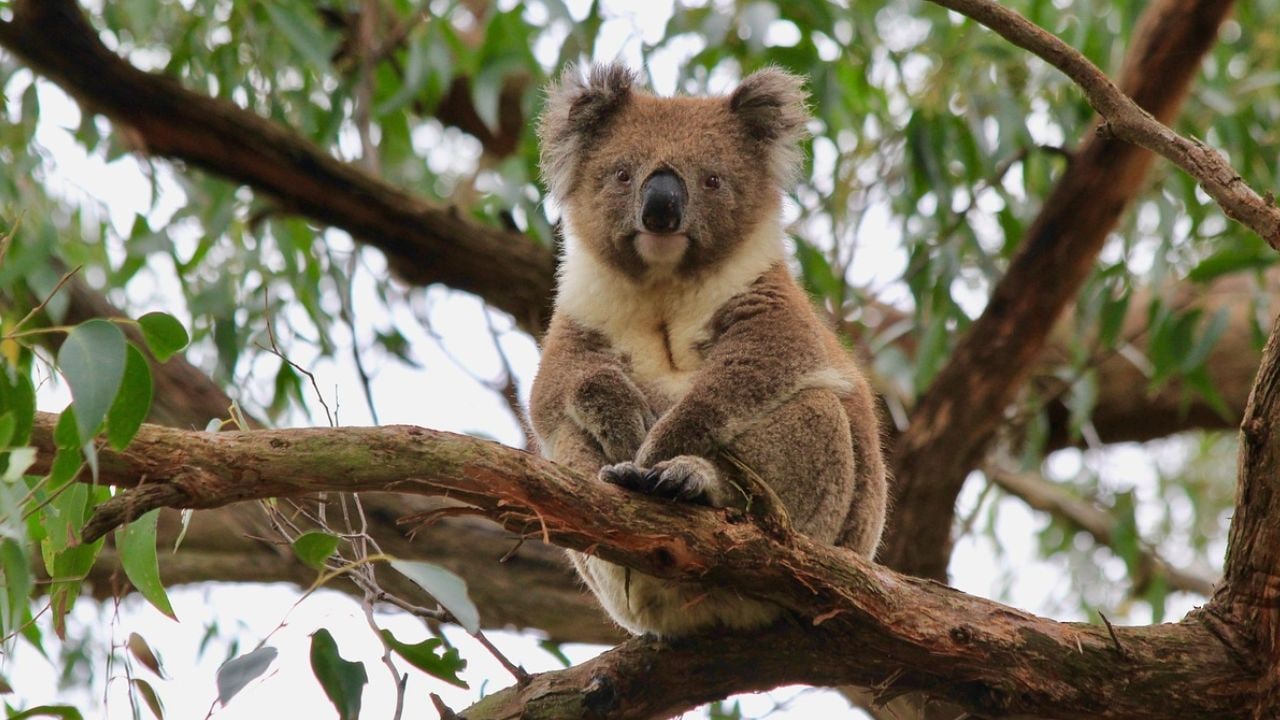
Koalas do not drink water frequently because they get most of the moisture they need from eucalyptus leaves. They also have cheek pouches, which they use to hold food temporarily.
What Threatens
Koalas face serious threats as their natural habitat continues to shrink. In the late 19th and early 20th centuries, large numbers were hunted for their fur, causing their population to decline sharply.
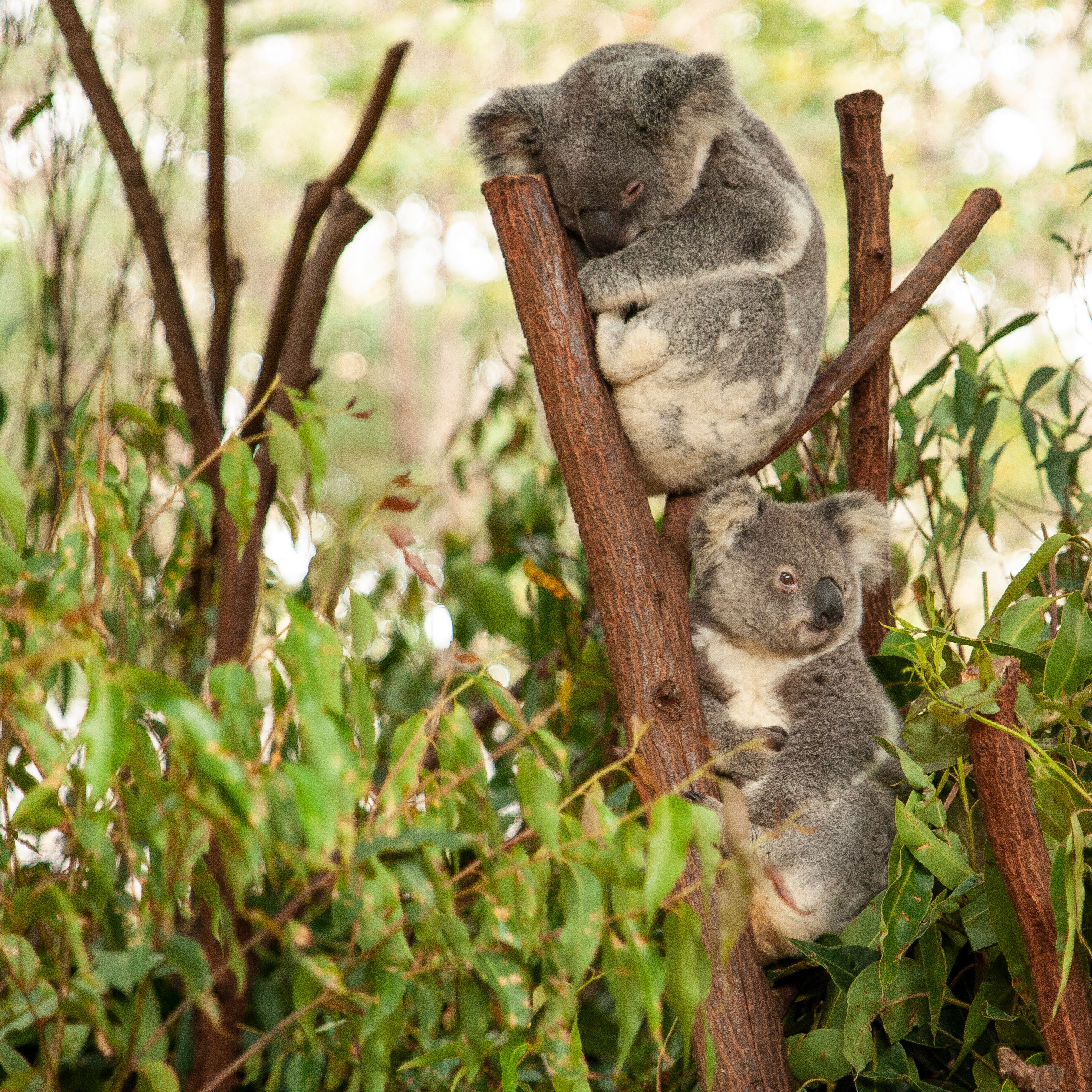
Habitat loss remains a major concern. Land clearing, logging and bushfires have destroyed large areas of woodland, leaving koalas with fewer places to live and feed. Since eucalyptus leaves make up most of their diet, these animals need access to enough eucalyptus trees to survive.
The International Union for Conservation of Nature (IUCN) lists the koala as a vulnerable species. Climate change is adding to the threats they already face.
Rising carbon dioxide levels can reduce the nutritional quality of eucalyptus leaves. Longer droughts and more severe wildfires can also damage the forests on which koalas depend for food and shelter.
During droughts, koalas may climb down from trees in search of water. This takes up energy and can leave them more exposed to danger.
Dingoes and large owls are among the animals that prey on koalas. They also face threats from vehicle collisions and dog attacks, which can put their survival at further risk.
