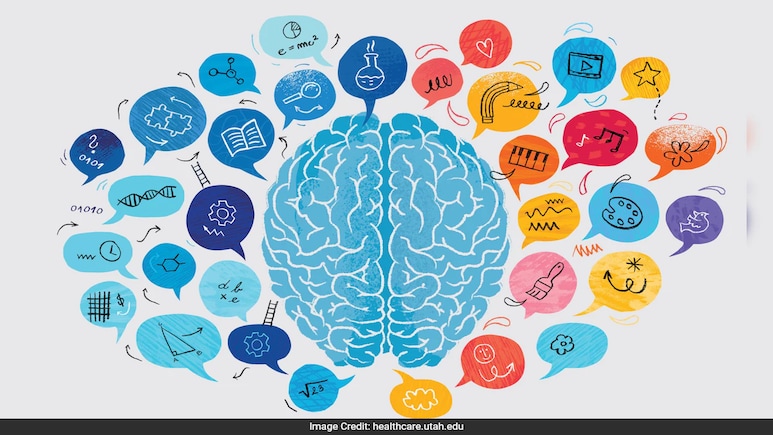

Top Memory Techniques For Students: Want to boost your learning and recall power? Various memory techniques such as Mind Maps, Mnemonics, Association Method, Loci Method, and more can help you study smarter and retain information more effectively. These methods not only make memorizing easier but also make learning more engaging and enjoyable.
1. Chunking Method
This popular technique involves breaking down large amounts of information into smaller, manageable chunks.
For example, instead of memorizing a mobile number as 9588768939, divide it into parts like 9588-768-939. It's much easier for your brain to process smaller groups of information.
-

-
 Best Of NDTV World Summit 2026 | Defining Conversations, Big Ideas
-
 PM Modi Says 'Parasite' Congress Hurts 'Honest' Dissent Movements
-
 "Some Dreaming Of Disorder": PM Modi's Dig At Rahul Gandhi
-
 PM Modi Highlights India's Firsts: Fast Breeder Reactor, Hydrogen Train, Asian Games Medals
-
 "UN's Limits Clearly Visible": PM Modi Presses For 'New Solutions' At NDTV Summit
-
 "World That Relied On India's Brainpower Now Trusts Its Mindpower": PM Modi
-
 Non-Oil Trade With India Went Up 50% In 3 Years: UAE Minister At NDTV Summit
-
 "Some Dreaming Of Disorder": PM's "Failed Product Of Congress" Jibe At Rahul Gandhi
-
 'Viksit Bharat Not Just For Us': PM Modi's Top Quotes At NDTV World Summit
-
 Has Indian Cuisine Arrived At The Global Stage? What Vir Sanghvi Believes
2. Mnemonics
Use acronyms, rhymes, or catchy phrases to make information memorable. For example, use STEM for Science, Technology, Engineering, and Math or VIBGYOR for the colors of the rainbow. You can also create your own personalized acronyms for different topics.
3. Association Method
Connect new information with something you already know. For instance, link the word "catastrophe" to a mental image of a cat causing chaos - it helps you remember that the word means disaster.
4. Visualization
Create vivid or even funny mental images to help concepts stick. For example, when learning the word "ostentatious," imagine a peacock wearing a massive gold chain and sunglasses, standing proudly on a pile of glittering jewels. The more unusual the image, the stronger the recall.
5. Mind Maps
Mind maps help you visualize and organize ideas. Start with a central topic and branch out to related subtopics. Add visuals, colors, and keywords. For instance, while studying the respiratory system, draw lungs in the center and create branches like Airways, Lungs, and Gas Exchange. Under Airways, add Nose, Trachea, and Bronchi. Identify the branches with fewer details - these are your weak areas that need more attention.
6. Spaced Repetition
This technique strengthens memory by reviewing information at increasing intervals. For example, when learning the German word "Apfel" (apple), review it tomorrow, then after two days, three days, and so on. Repeated exposure over time helps lock the word into long-term memory.
7. Loci Method
Also known as the Memory Palace technique, this involves visualizing a familiar space - like your home - and placing vivid mental images representing information at specific spots (loci). When you want to recall the data, mentally walk through your "palace," revisiting each image and retrieving the associated information.
Try experimenting with these techniques across your subjects to discover which ones work best for you. Each method strengthens your memory in a unique way - the key is consistent practice and creativity.
