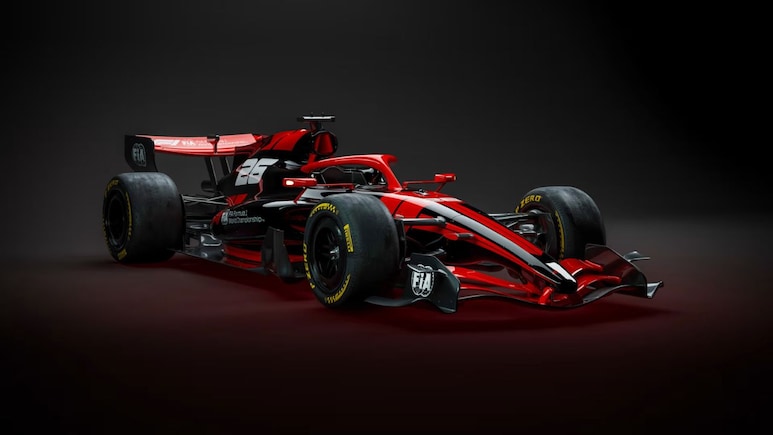
Starting in 2026, Formula 1 will introduce a revamped aerodynamic package, ushering in fresh-looking cars paired with a completely overhauled set of power unit regulations. The new rules aim to keep established manufacturers like Ferrari and Mercedes engaged, while also enticing newcomers such as Red Bull Powertrains (in partnership with Ford), Audi, and General Motors, which plans its debut in 2029. Significantly, the framework has also convinced Honda to return to the grid, highlighting the broad appeal of F1's next era. Here are the new regulations of the Formula 1 car that you must know.
Power Unit Changes
Formula 1's upcoming power units will place greater emphasis on electrical energy, delivering a balanced 50-50 split between electric drive and the internal combustion engine. This marks a near 300 percent boost in electrical output compared to current systems. While the core remains the familiar 1.6-litre V6 turbo introduced in 2014, the surrounding components have been extensively revised, most notably with the removal of the MGU-H.
Reduced Car Seize And Weight
The nimble car concept for 2026 will see Formula 1 machines become smaller and lighter, enhancing agility and making racing more dynamic. Overall weight will drop by 30 kilos, with a shorter wheelbase reduced by 20 cm. The car's height and floor dimensions will also shrink, while tire widths are trimmed by 2.5 cm at the front and 3 cm at the rear, engineered to retain grip with minimal compromise.

2026 F1 Car Render
The revisions cut downforce by 15-30 percent and reduce drag by as much as 55 percent. The result is leaner cars that are quicker on straights and more challenging to handle, demanding greater skill from drivers.
Also Read: Nissan Gravite MPV: Really New Or Just Renault Triber With Bold Skin?
Active Aero Replaces DRS
Say goodbye to DRS as Formula 1's new cars from 2026 will instead debut Active Aero, a system that adjusts front and rear wing angles based on track position. In corners, flaps remain closed to maximise grip, while on designated straights, drivers can activate low-drag mode, flattening the wings to cut drag and boost speed. Unlike DRS, this feature is available to all drivers on every lap. Revised wake control shifts focus to cleaner airflow, letting cars follow closer with less turbulent drag.

Overtake Mode
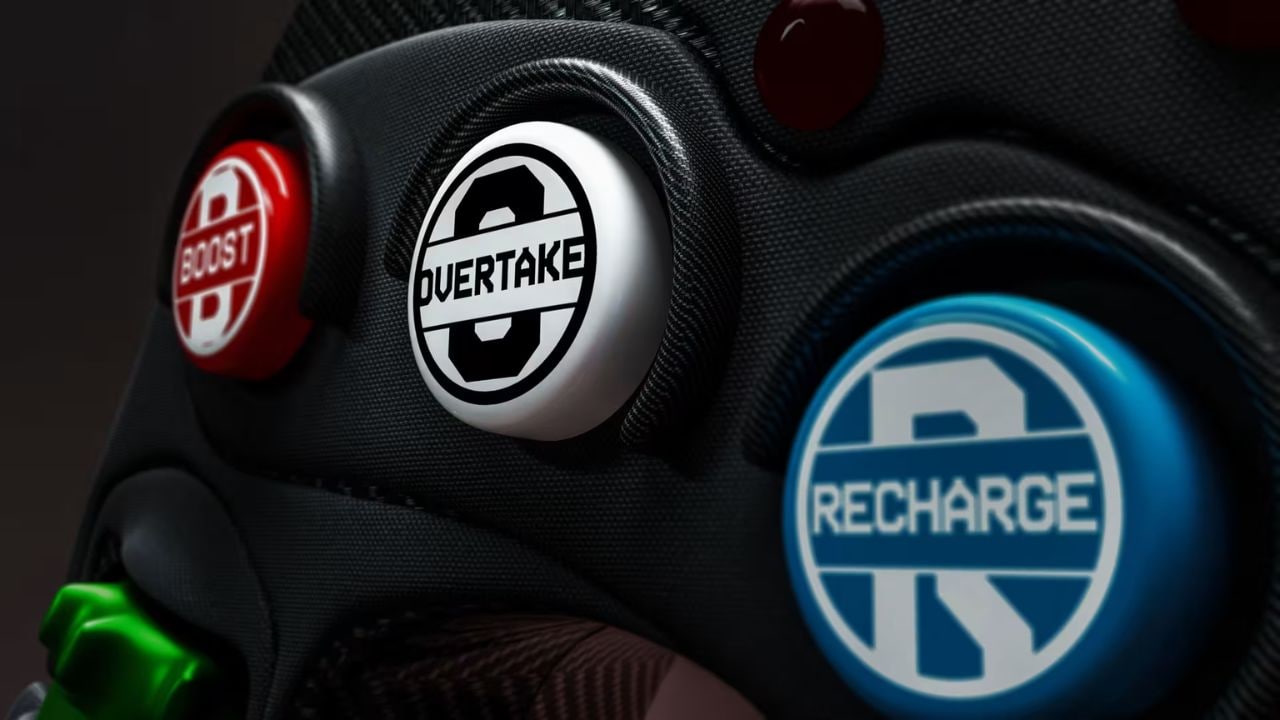
Overtake Mode, debuting in 2026, is a new performance aid designed to promote closer racing and increase overtaking chances. It activates only when a driver is within one second of a rival at the detection point, usually the final corner. Once triggered, it provides an extra 0.5MJ recharge and unlocks an enhanced electrical power profile, enabling sustained higher speeds. Usable only on the following lap, its impact is greatest on longer straights, where the added delta speed helps drivers close gaps more effectively.
Also Read: Aprilia RS 457 New Colours Revealed At India Bike Week 2025
Boost Mode
From 2026, Formula 1 introduces the Boost Button, a rebranded energy deployment system that drivers can activate at any point during a lap. Once engaged, it alters power unit settings-either delivering maximum output or a team-configured profile. The feature can be used strategically to defend against a chasing rival or attack the car ahead, provided sufficient charge is stored. Drivers may deploy the boost in one burst or spread it across the lap, depending on where they see the best opportunity or face the greatest threat.
Track Latest News Live on NDTV.com and get news updates from India and around the world
