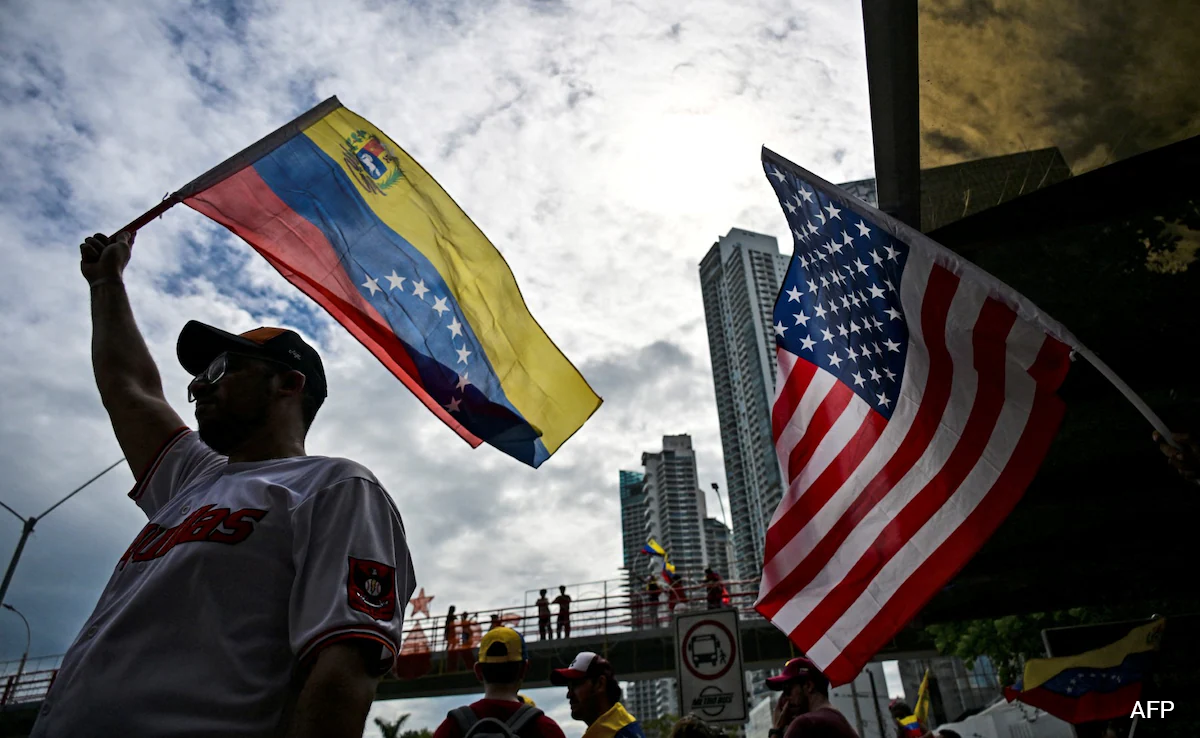
On the same calendar day, 36 years apart, United States forces detained two Latin American leaders and transported them to the US to face criminal charges. In 1990, it was Manuel Noriega, the dictator of Panama. In 2026, it was Nicolas Maduro, the President of Venezuela. The charges and the official justifications, to a great extent, remain the same, leading to immediate comparisons between the two operations.
In both cases, US officials cited narcotics trafficking, the annulment of democratic elections, and threats to American citizens and interests in the Western Hemisphere. In Panama, the strategic concern was the Panama Canal. In Venezuela, it is the country's oil reserves and the regional security implications.
Operation Just Cause, 1989
On December 20, 1989, US President George HW Bush addressed the nation to explain the decision to send US forces into Panama. He described Noriega as “an indicted drug trafficker,” adding Panama's democratic elections had been invalidated, and cited attacks on Americans, including the killing of a US serviceman. Bush also spoke about the importance of protecting the Panama Canal and upholding existing treaties.
The objectives, Bush said, were “to safeguard the lives of Americans, to defend democracy in Panama, to combat drug trafficking, and to protect the integrity of the Panama Canal Treaty.” Within two weeks, Noriega was in US custody, the elected opposition government took office, and US forces began to withdraw.
Panama's post-invasion trajectory is often cited as relatively successful. John Feeley, who later served as US ambassador to Panama, has said the intervention resulted in a democratic system with peaceful transfers of power and an economy that expanded significantly in the following years, as per PBS News.
How Venezuela Is Different
Venezuela, in many respects, is different.
Before his capture, Nicolas Maduro faced multiple US indictments. A 2020 New York case charged him with narco-terrorism, drug trafficking, and corruption, accusing him of leading the “Cartel de los Soles,” later designated a Foreign Terrorist Organisation. The US offered a $50 million reward for his arrest.
Maduro was accused of rigging elections, with the US and several Western governments recognising the opposition, led by Maria Corina Machado. His government reportedly detained American citizens and US-based Citgo executives as leverage, and in 2023, he threatened military action against Guyana while claiming much of its territory.
After the US operation, US President Donald Trump said Washington would oversee a transition and named Vice President Delcy Rodriguez interim president. Rodriguez denied US authority over the nation.
Later, Secretary of State Marco Rubio said that the US would not run Venezuela, except to enforce an existing oil quarantine.
Why Venezuela Is No Panama
There are clear differences between Panama and Venezuela. Panama had roughly 2.4 million people at the time of the 1989 invasion; Venezuela has nearly 30 million.
Venezuela is ten times larger, with varied terrain, including mountains, jungles, plains, and long coastlines. Douglas Farah, president of IBI Consultants and a former US Defense Department adviser, said these factors complicate any effort to stabilise the country. “In Venezuela, you have mountains, you have jungles, you have oceanfronts,” Farah told NPR. “How do we talk about taking over a country when we have no functional presence there?”
In Panama, the United States had a permanent military presence, with about 13,000 troops and the headquarters of US Southern Command was already in the country when Operation Just Cause began. No such presence exists in Venezuela.
The military structures differ as well. Panama's armed forces were dismantled after Noriega's removal, allowing a civilian government to take over. Venezuela's military remains intact and politically aligned, with senior officers tied to state and illicit economies.
Panama's intervention also had costs, including civilian displacement and damage in Panama City, and continued crime and drug trafficking after Noriega's fall. Venezuela's crisis is deeper, with per capita income down more than 70 per cent under Maduro and millions of people leaving the country.
Track Latest News Live on NDTV.com and get news updates from India and around the world


