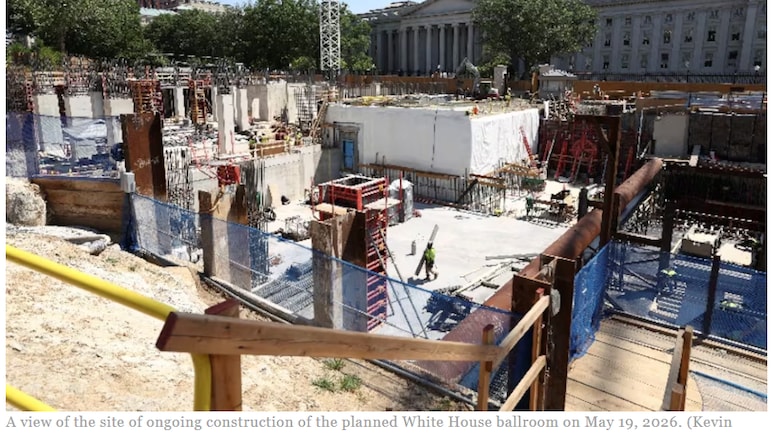
- President Trump's administration plans a $400 million underground bunker under the White House ballroom
- The bunker will include a military hospital, drone base, and hardened security features
- The ballroom site was halted by a judge due to construction concerns and national security reasons
A debate has erupted in the US over reports President Donald Trump's administration is planning a new underground bunker beneath the proposed White House ballroom complex.
The project - estimated to cost $400 million (around Rs 3,852 crore) - reportedly includes a hardened underground security facility, a military hospital, and a drone base.
The proposal came into focus after District Judge Richard Leon on April 16 halted parts of the above-ground construction work on the planned 90,000-square-foot ballroom.
The ballroom is planned on the site of the White House's demolished East Wing and is intended to host large events of up to 1,000 people, significantly more than current entertainment spaces can hold. The administration cited national security concerns as a key reason for the project.
Trump has repeatedly stressed the need for enhanced security and has referred to the failed assassination attempt at the White House Correspondents Association event in April as an example of the threats facing senior leaders.
Reports suggest the ballroom would be designed with extensive security features. These include a bunker-like structure with a hardened roof capable of withstanding a direct attack, titanium fencing strong enough that "a bulldozer cannot knock it over", and a six-storey underground complex housing a military hospital and research facilities. The complex is also expected to feature a rooftop drone base capable of supporting an unlimited number of drones.
The White House has not provided further details on the reported research facilities.
The Existing White House Bunker
The White House already has a secure underground facility known as the Presidential Emergency Operations Center (PEOC).
The PEOC was originally built during World War II to protect against a surprise attack by German bombers. It was later significantly expanded and rebuilt during the early Cold War under President Harry Truman as part of a major White House renovation that began in 1948.
The facility was designed to provide shelter for the president and senior officials during an attack until a rescue operation could be carried out.
According to the White House Historical Association, the secret facility featured thick concrete walls, steel-sheathed ceilings, and a small presidential bedroom and bathroom, along with rooms containing ventilation masks, food storage, and communications equipment.
The bunker has been used during major crises. After the September 2001 terrorist attacks, several officials, including then Vice President Dick Cheney, were taken to the facility. Then President George W Bush, who was in Florida at the time, was later taken to the bunker that evening.
Trump himself was briefly moved to the bunker during protests outside the White House in May 2020 following the death of George Floyd.
Bunkers In Democracies
The US is not the only democracy to have built underground facilities for its leaders.
During World War II, British Prime Minister Winston Churchill directed military operations from the Churchill War Rooms, an extensive underground bunker complex beneath the Treasury building near 10 Downing Street in London.
In Canada, the government constructed the Diefenbunker during the Cold War. Named after Prime Minister John Diefenbaker, the four-storey, 100,000-square-foot underground facility near Ottawa was designed to shelter the prime minister and senior government officials in the event of a nuclear attack.
Bunkers By Authoritarian Leaders
Several authoritarian rulers have also been known for maintaining extensive underground bunker networks.
Adolf Hitler operated from a number of underground facilities during World War II, including the Wolf's Lair in East Prussia. He is most closely associated with the Führerbunker in Berlin, where he spent his final 105 days and died by suicide in 1945.
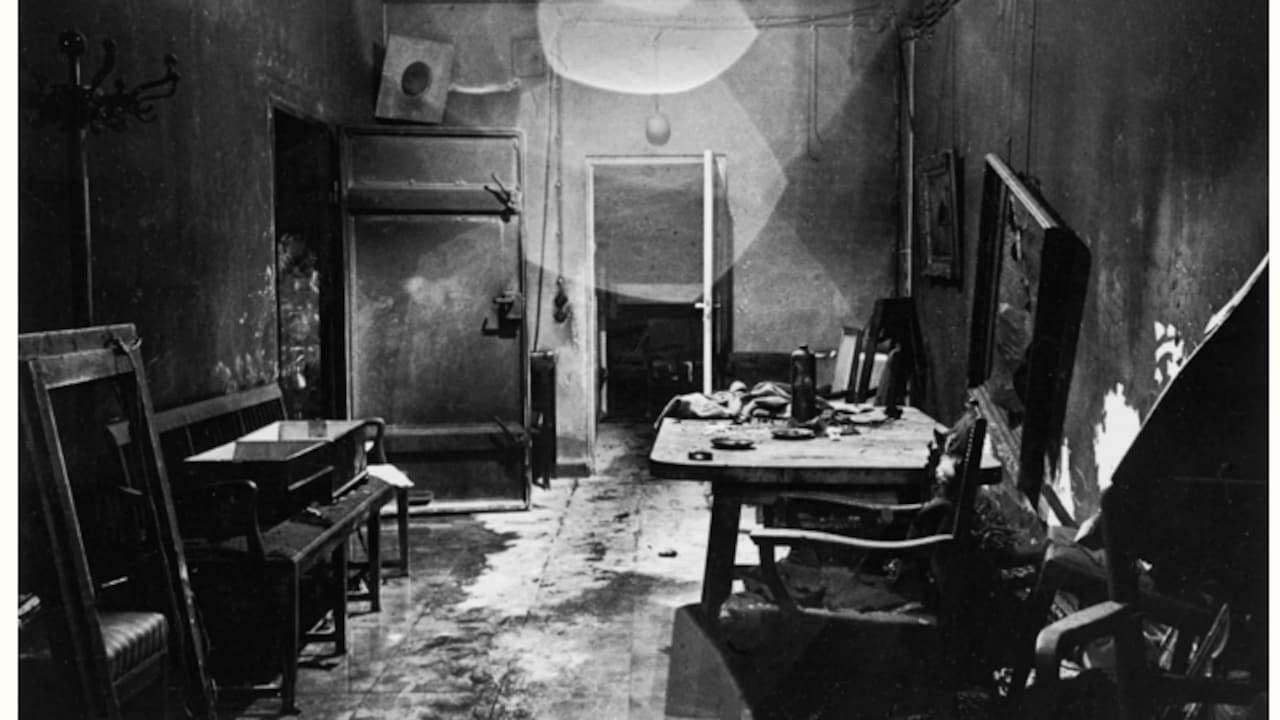
Adolf Hitler's bunker (File)
Former Libyan leader Muammar Gaddafi maintained a vast network of secret bunkers and tunnels across Libya. These underground facilities were heavily fortified and designed to survive military strikes, including nuclear and chemical attacks.
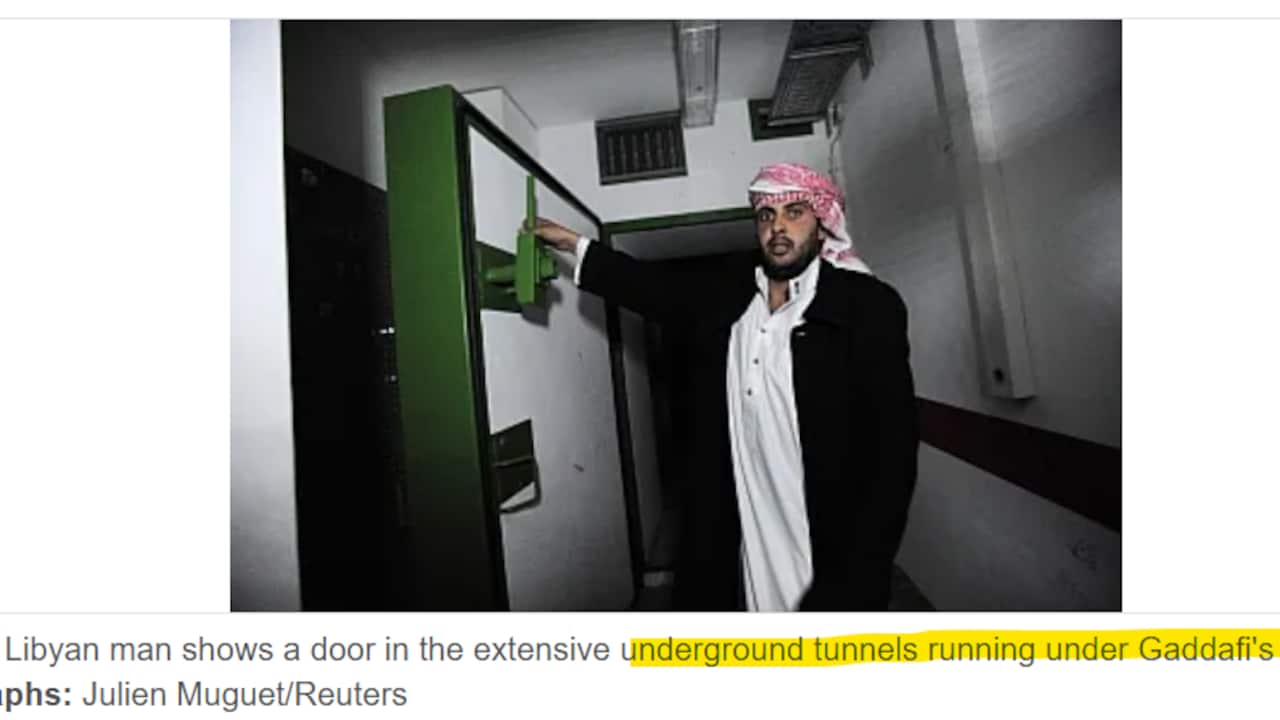
Libyan man shows Gaddafi's bunker
Iraqi leader Saddam Hussein built multiple bunkers and underground safe houses across Iraq, ranging from heavily fortified structures beneath presidential palaces to the small underground hideout where he was eventually captured.
North Korea's ruling Kim family is also believed to maintain an extensive network of underground bunkers, tunnels and command centres designed to ensure the survival of the country's leadership during military conflict, natural disasters or nuclear war.
Trump's proposed White House project has once again drawn attention to the role underground bunkers have played in protecting national leaders during war, crises and security threats.
Track Latest News Live on NDTV.com and get news updates from India and around the world


