








- The US is deploying over 57,000 troops and naval assets to West Asia amid Iran invasion fears
- Two aircraft carriers and two amphibious ready groups will boost US naval presence in the region
- A ground war could expand battlefields, forcing US troops to fight on multiple fronts against Iran proxies
The US has begun deploying thousands of troops and naval assets to the West Asia region - an estimated 57,000+ soldiers are either in the region or on the way - amid growing speculation President Donald Trump will order a ground invasion of Iran.
Two Marine Expeditionary Units, the 82nd Airborne Division, and the USS Boxer and Tripoli ARGs, i.e., Amphibious Ready Group, considered one of the US' more lethal global response forces, will add to the 40,000-odd troops already stationed across Gulf naval and air bases.
And ABC News cited two unnamed White House officials as saying the George HW Bush carrier strike group left Norfolk earlier this week for West Asia; if that is true, the US will have a formidable naval presence in the region with two aircraft carriers - the USS Abraham Lincoln and the incoming George HW Bush - and also two 'lightning carriers' in the Boxer and Tripoli, each capable of carrying up to 20 F-35B stealth fighters and MV-22 Osprey attack helicopters.
All of this suggests Washington is prepping for boots on the ground if, as it appears likely, Tehran snubs Trump's 'peace' offer and refuses to 'surrender' a reported 400kg of enriched uranium.
What a ground war could mean: the military impact
It would likely drag the fighting out for months, possibly years, a ground-level conflict will significantly expand the battlefield, creating overlapping theatres of conflict that will force Washington to either spread deployed troops or commit more boots on the ground.
US troops will likely be forced to fight on multiple fronts - Iran proxies Houthis in Yemen, Hezbollah in Lebanon, and Hamas in Gaza, as well as smaller Shiite militia in Iraq and Bahrain.
Concerted Israel attacks on Hezbollah - seen by experts as one of the most heavily armed non-state actors in the world - may have weakened the group, but it remains a fighting force.
Troops from the US' 82nd Airborne Division en route to West Asia. Photo: AFP
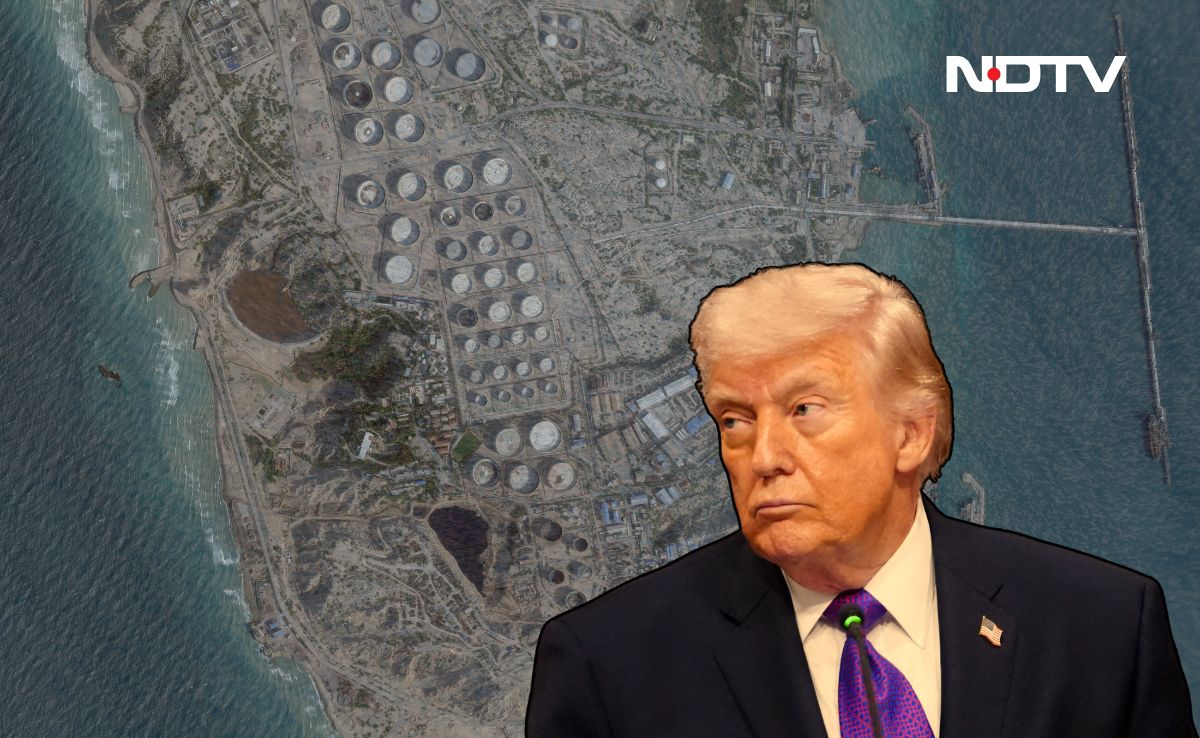
Analysts have warned the US not to expect an easy ground offensive - whether to seize Kharg Island oil stores or the estimated 400kg of enriched uranium, or secure the Strait of Hormuz.
Expanding battlefields, meanwhile, will not only draw Iran proxies but could also force other Gulf nations - which have maintained a defensive posture - to align more closely with the US.
Thus far Qatar, Saudi Arabia, the UAE, and Kuwait have insisted their territory has not been used to launch missile and air strikes at Iran, though that denial has been dismissed.
US' Middle East Gamble May Leave Gaps In Air Defences Against Russia, China
Iran has attacked American military assets and energy infrastructure in these countries, attacks that have infuriated their neighbours and threatened to spark all-out war in a militarily volatile region that also supplies the world with 32 per cent (2025 figures) of its crude oil.
But a US ground invasion will provoke Tehran into stepping up those attacks.
What a ground war could mean: the 'alt' impact
When the fighting began February 28, Iran shocked the world by rolling out an asymmetric warfare model that involved firing thousands of cheaply-made, mass-produced Shahed series drones.
These forced US and Israeli forces to launch multi-million dollar missiles in a war of attrition that has cost Washington and Tel Aviv billions, even before 'victory'.
Cheap Drones, Claude AI, Cyberattacks: Behind US-Israel's 'New' War On Iran
Marching soldiers into Iran now exposes them to the same drone strikes, only this time the cost will be dozens, maybe more, of human lives. Tehran's cyberwarfare is another factor to consider.
What a ground war could mean: the oil impact
Increased attacks on Gulf nations - a ground offensive will give Iran the perfect excuse to step up targeting of energy infrastructure - will further cripple oil and gas exports.
Iran's Hormuz blockade has affected a fifth of the world's crude supply. Pre-war, an estimated 20-25 million barrels of oil passed through it daily. Tanker traffic today is sparse, with only a handful of countries allowed to navigate it without an attack from Iranian anti-ship missiles or drones.
Where Your Rs 2,000 Spent On Petrol Goes: Taxes, Iran And Oil Companies
A US ground invasion is widely seen as a possible response to the blockade - i.e., the goal will be to capture control of the 33km-wide channel, allowing the US de facto control over a chunk of the world's oil supply.
Hormuz Shutdown Affects Asia's Crude Oil Supply, Pipelines Can't Cover Loss
Regardless of the outcome, a ground war in Iran will further shock the global energy market and drive prices even higher, causing massive economic damage to poor nations and those with large energy bills, such as India and China.
Expect Brent crude to surge - potentially past the US$150 a barrel mark - on supply-shock expectations. Gulf nations dragged into the fighting will likely shut down or minimise production and export channels will further contract.
The impact will play out over months, if not years, after the fighting ends, and span costly repairs to oil infrastructure, rebuilding of export terminals, etc.
What a ground war could mean: the human impact
More than 4,000 people have been reported dead so far across Iran, Lebanon, and Israel.
Deaths have also been reported from the UAE and other countries.
But that toll could pale beside the potential toll from a US ground war.
US-based rights group HRANA said 3,461 people have been killed so far, including civilians and children.
For context, the last time the US went to war in the West Asia region was the Iraq-era Second Gulf War that killed between 4,400 and 5,000 American soldiers.
And civilian deaths were catastrophic, in the low hundreds of thousands over the same time.
West Asia conflict in 2026 will result in possibly greater numbers of dead and also millions more displaced, creating refugee streams and humanitarian disasters that will spread quickly.

