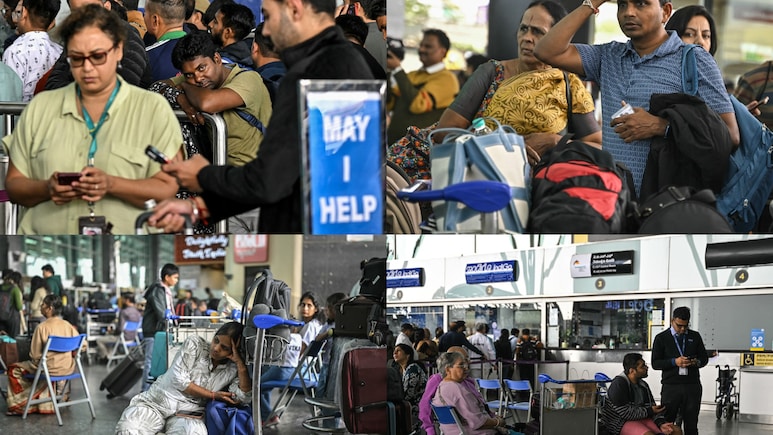
The year 2025 witnessed several large-scale air travel disruptions that affected thousands of passengers worldwide, exposing major gaps in aviation infrastructure, digital systems and regulatory preparedness.
Unlike routine weather-related delays, these incidents were triggered by systemic failures, including a major aircraft safety flaw, nationwide air traffic control breakdowns, and critical operational lapses.
Here are some of the major disruptions that hit global air travel this year:
1. Air India Crash
Air India flight AI 171, a Boeing 787-8 aircraft en route to London Gatwick, crashed into a medical hostel complex shortly after takeoff from Sardar Vallabhbhai Patel International Airport on June 12. The aircraft burst into flames, killing 241 of the 242 people onboard and 19 individuals on the ground.
A total of 242 people, including passengers and crew, were on the flight. Only one person, Viswashkumar Ramesh, survived the crash.
The aircraft went down in the residential area of Meghani Nagar, killing 19 residents on the ground.
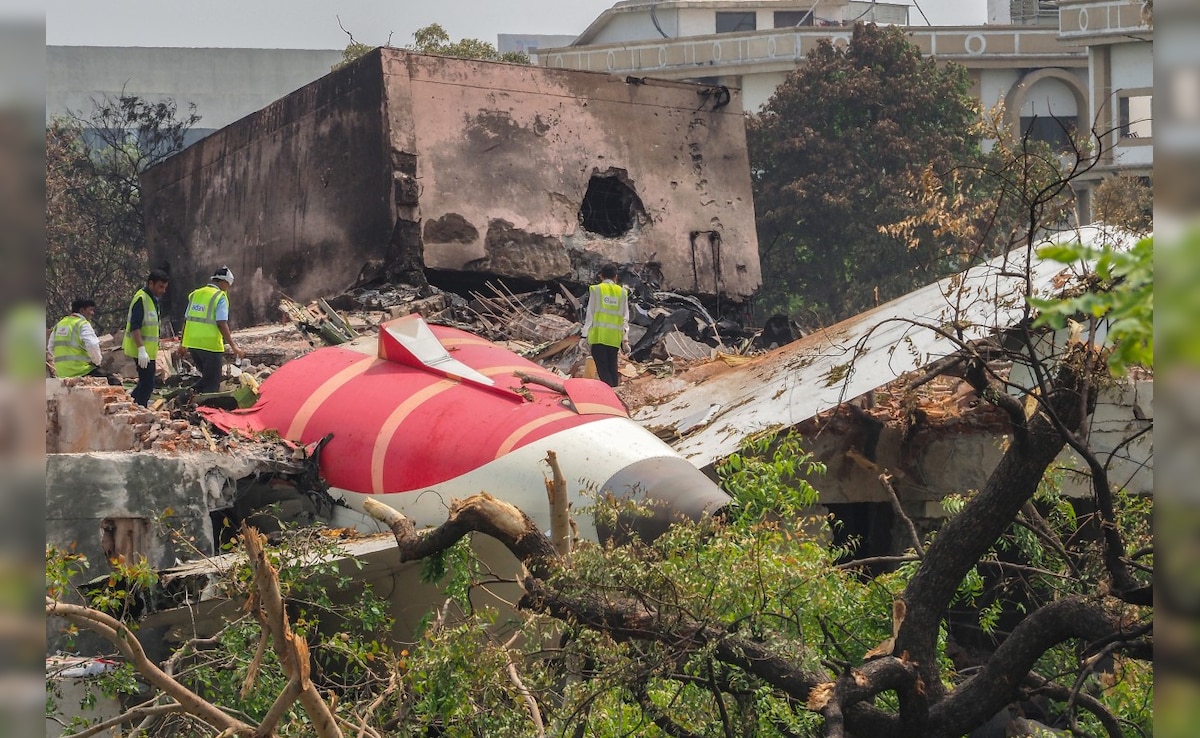
Lead US attorney Mike Andrews, who represents families of the victims, had raised serious concerns about delayed compensation, the psychological trauma endured by families, and critical technical questions emerging from the ongoing investigation.
"More than 130 families affected by the tragic Air India crash have joined a collective legal action so far, with investigations continuing into the cause of the accident," Andrews had told ANI.
Speaking about the condition of the families, he added, "Every day is a struggle as they adjust to a new normal. While financial loss is visible, the emotional trauma and long-term psychological impact remain largely overlooked."
The accident stands as one of the deadliest aviation disasters in India in recent history.
2. Airbus A320 Solar Radiation Recall
In the last week of November, air travel was hit by widespread disruption after Airbus ordered thousands of A320-family aircraft to undergo urgent safety checks and software updates. Engineers had found that intense bursts of cosmic radiation from the Sun could interfere with the computers that handle altitude data on A318, A319, A320 and A321 aircraft, nearly 6,000 planes worldwide.
According to the BBC, regulators in Europe, the UK and the US issued emergency airworthiness directives, allowing affected aircraft to operate only "ferry flights" without passengers until fixes were completed. UK airports saw only minor delays, while airlines such as British Airways and Air India said the impact on their fleets was limited.
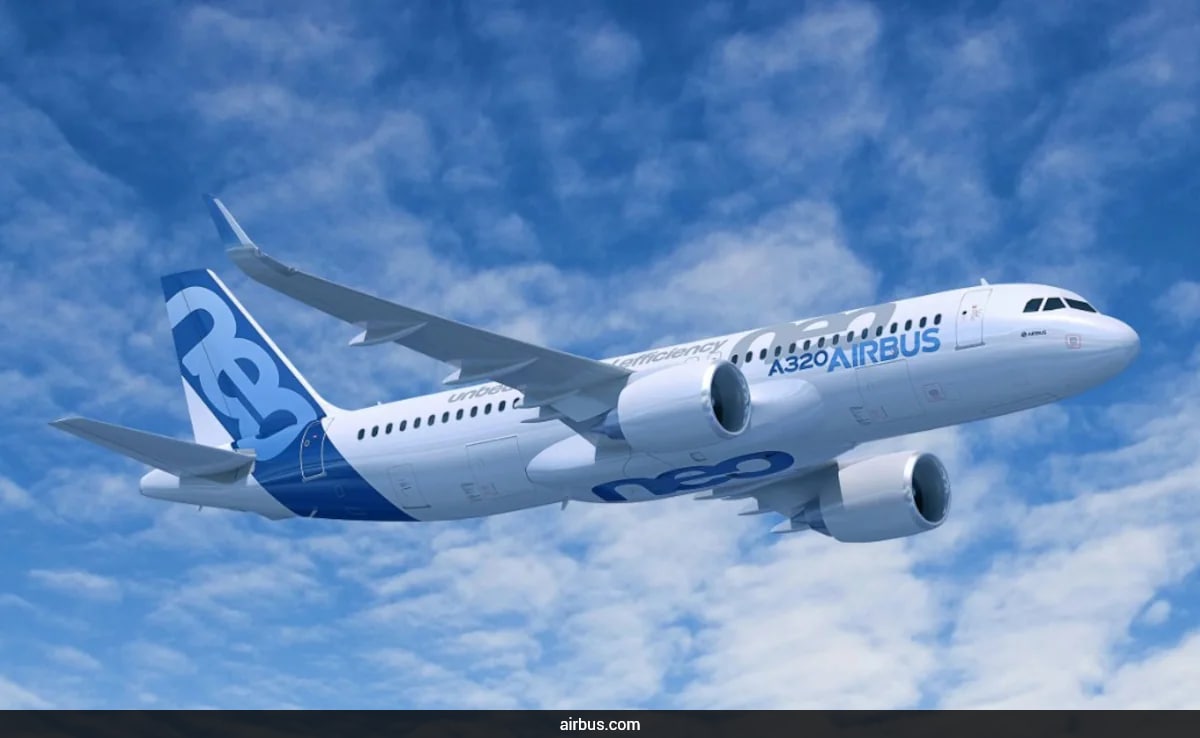
In a press release on November 28, Airbus said the radiation could corrupt data "critical to the functioning of flight controls." It added that it had asked operators to take immediate precautionary measures through an Alert Operators Transmission and that these steps would appear in an Emergency Airworthiness Directive issued by European Union Aviation Safety Agency (EASA). Airbus said it expected "operational disruptions" but stressed that safety remained the top priority.
At the time, a source had told AFP that most aircraft would take "a few hours" to update, but around 1,000 planes would require work lasting "weeks." In India, around 3438 aircraft were impacted. Indian airlines operate roughly 560 A320-family aircraft, one of the largest fleets of this type, with IndiGo, Air India and Air India Express were expected to be the most affected.
3. US Federal Government Shutdown
A political crisis in the US triggered a major aviation breakdown after a federal government shutdown that began on October 1 left key aviation staff working without pay or furloughed. As unpaid air traffic controllers began missing work due to stress and the need for side jobs, major airports saw long delays and historic cancellations.
The shutdown ended on November 12, the longest on record, cost Delta Air Lines an estimated $200 million, CEO Ed Bastian had said.
The Federal Aviation Administration issued an emergency order requiring commercial airlines to cut up to 6% of domestic flights. Transportation Secretary Sean Duffy said the decision was necessary to maintain safety.
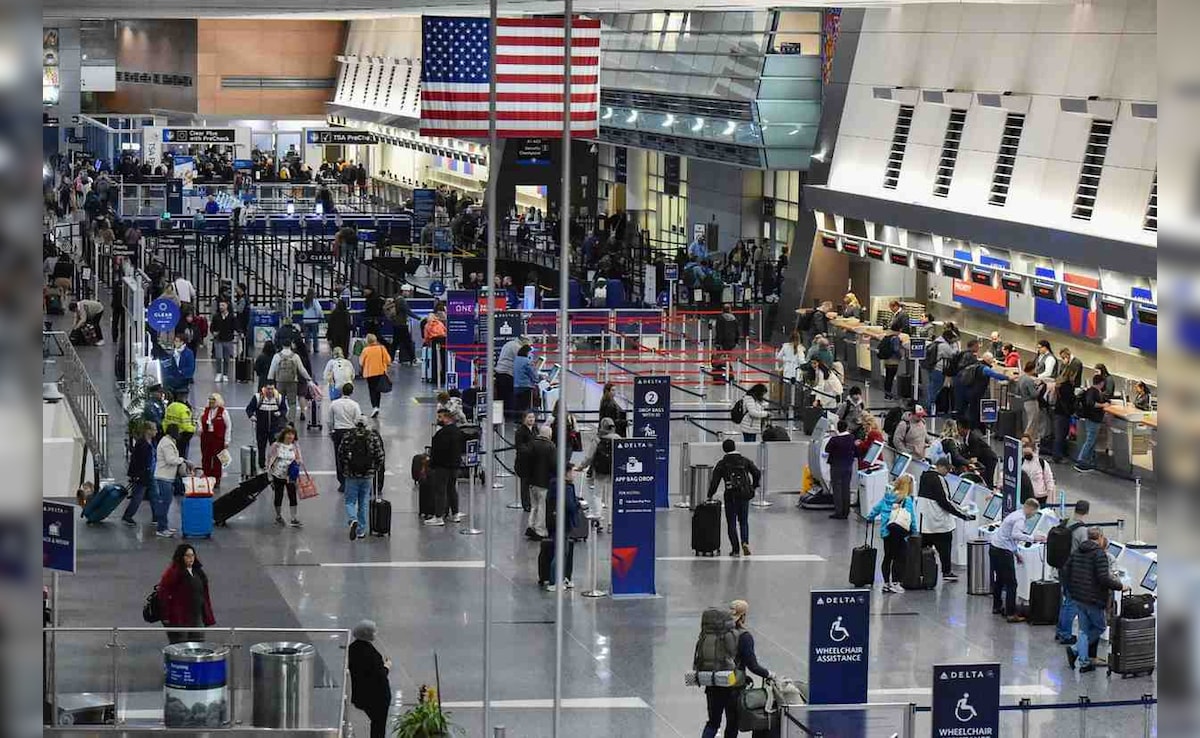
Forty US airports were required to cancel flights from November 7, including major hubs in New York, Atlanta, Los Angeles and Chicago. At 12 of those airports, the FAA also stopped business jets and many private flights from landing.
Key figures include:
- 5.2 million passengers faced shutdown-related delays or cancellations since October 1, according to Airlines for America
- 10,100 flights were cancelled between November 7 and November 12, according to FlightAware
Denver, Atlanta, Chicago, Dallas and New York saw the most cancellations. Smaller regional carriers like SkyWest and Republic were hit hardest because they operate many of the routes cut by major airlines.
4. Technical Failure At UK Air Traffic Control
On July 30, the UK experienced a major air traffic control outage that caused chaos at airports in the country and beyond. A fault lasting only 20 minutes led to around 150 flight cancellations and delays that continued into the next day.
NATS, the UK's air traffic control operator, said the issue was linked to a "radar-related" problem in the radar display system at its Swanwick control centre. The agency switched to its backup system, resolving the issue quickly.

The outage included Heathrow Airport, Britain's largest airport and Europe's busiest. Ryanair, an Irish ultra low-cost airline multinational group, had said that the disruption lasted for "over four hours" and caused delays and several diversions, inconveniencing thousands of passengers. It had also said the problem was "utterly unacceptable" and called for Martin Rolfe, the chief executive of the air traffic control provider, to resign.
The fault was different from the major outage in August 2023, when more than 700,000 passengers were affected and 500 flights were cancelled.
5. London Heathrow Substation Fire
London's Heathrow Airport, Europe's busiest, was nearly shut down for 24 hours after a major fire at the North Hyde high-voltage substation on March 20. The fire, located more than 3 kilometres north of the airport, broke out at 11:21 pm and triggered a full closure of operations for most of March 21.
The shutdown affected 1,350 flights and nearly 3,00,000 passengers, and cost airlines millions in losses.
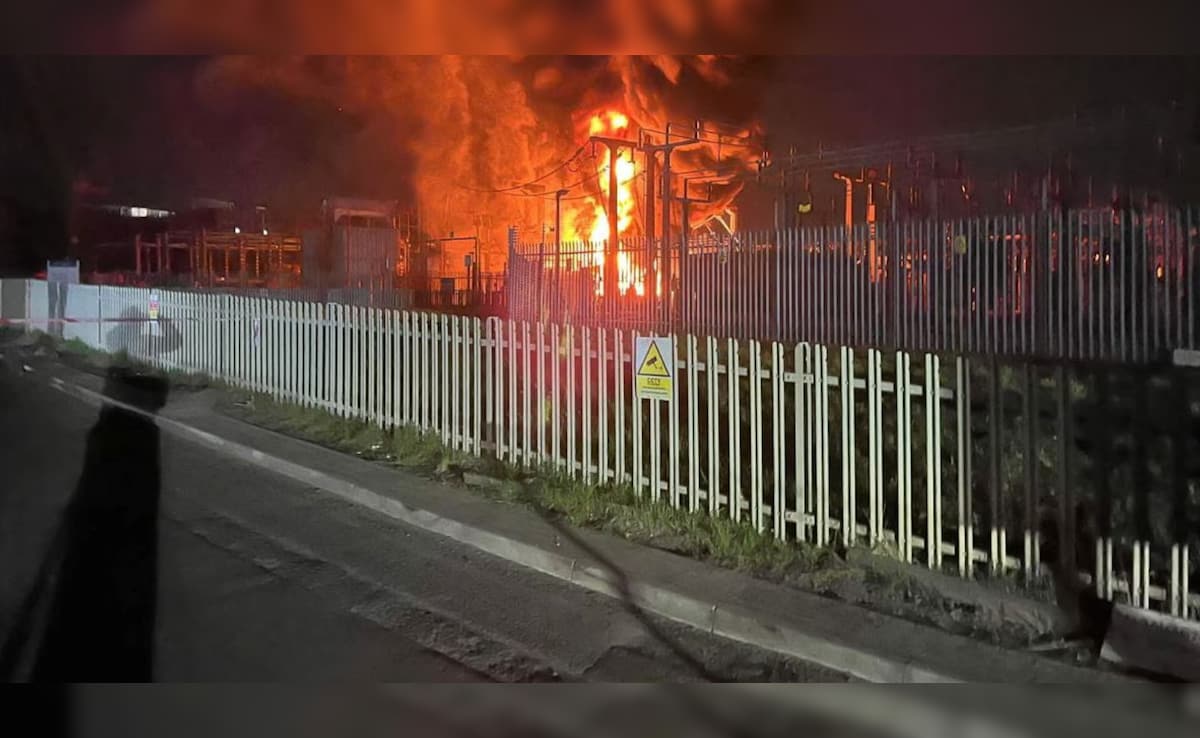
The London Fire Brigade brought the fire under control by 06:28 am on March 21, but crews stayed on-site due to remaining hotspots. Power was also cut to 67,000 homes.
A final report by the National Energy System Operator (Neso) concluded the fire was "most likely" caused by moisture entering insulation around wires. It also found that National Grid, which owns the substation, had known about the problem since 2018.
6. Indigo Crisis
India's largest domestic airline, IndiGo, plunged into its worst operational crisis ever, after a wave of flight cancellations and delays began last week. The disruption grounded thousands of passengers and caused severe chaos across major airports.
Mass cancellations were first reported on December 2. On December 3, at least 150 flights were cancelled across Delhi, Bengaluru, Hyderabad and Mumbai. In the days that followed, the situation escalated sharply, with IndiGo cancelling more than 2,000 flights daily due to staff shortages and the rollout of new crew regulations.
Major airports - including Delhi, Mumbai, Bengaluru and Hyderabad - witnessed long queues, stranded passengers, missing baggage and cancellations even after boarding or check-in. For thousands, the crisis caused missed weddings, business commitments and medical appointments, along with costly last-minute rebookings.
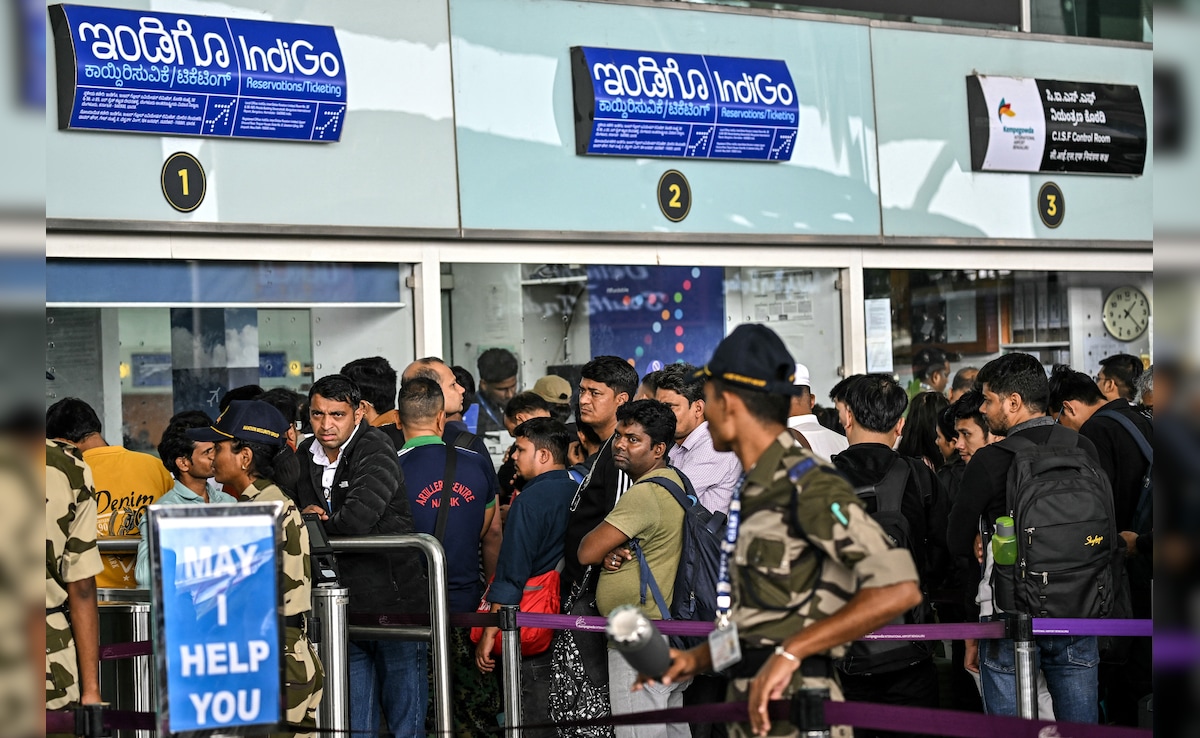
Despite the ongoing disruptions, flight operations are gradually improving. IndiGo said it operated 706 flights on Friday, 1,565 on Saturday and expected to reach around 1,650 flights on Sunday. Of its 2,300 scheduled domestic and international flights for the day, 650 remained cancelled. The airline said 137 of its 138 destinations are currently active and has announced a full waiver on cancellations and rescheduling requests for bookings until December 15.
At Delhi airport, 118 flights were cancelled on Sunday, while Mumbai airport reported 121 cancellations. IndiGo expects operations to return to normal between December 10 and 15.
Track Latest News Live on NDTV.com and get news updates from India and around the world


