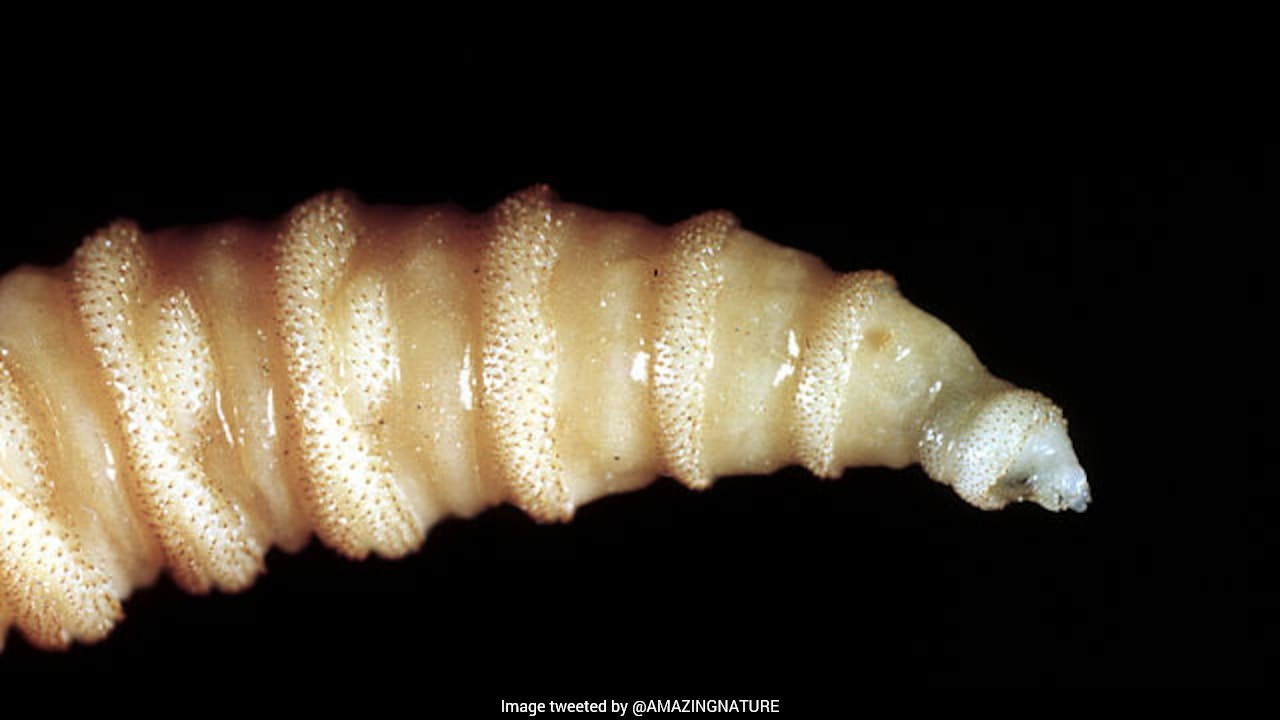
- The New World screwworm parasite is spreading through Mexico and Central America since 2024
- Mexico reported over 500 human cases with a sharp rise in infections in 2026
- The parasite larvae feed on living tissue, causing severe damage and human deaths
A flesh-eating parasite that primarily affects livestock is spreading through Mexico and parts of Central America, raising concerns about its potential impact on animals and people in the United States. Known as the New World screwworm (Cochliomyia hominivorax), the parasite is a type of fly whose larvae feed on living tissue. According to International Business Times, Mexico has reported more than 500 human cases since the outbreak began, with researchers warning that infections increased sharply in 2026. At least one death has been linked to the infestation.
Female screwworm flies lay their eggs in open wounds or exposed tissue, including around the nose, mouth, eyes and ears. The eggs can hatch within about a day, after which the larvae burrow into the wound and feed on living flesh. If left untreated, the infestation can cause severe tissue damage, affecting muscle, cartilage and even bone. In humans, the condition is known as myiasis.
A study published in the CDC journal 'Emerging Infectious Diseases' examined 202 confirmed human cases in Mexico between April 2025 and March 2026. Researchers found that reported infections rose from roughly three cases a week in 2025 to more than nine a week in 2026.
More than half of the infections affected the legs or feet, while others involved the head and neck, including the nose, mouth and eyes.
Six patients in the study died, although researchers directly attributed only one of those deaths to the screwworm infestation. Most patients were older adults, with an average age of about 61. Around 72% were men, while 77% had at least one underlying health condition.
The New World screwworm is especially dangerous to cattle and other livestock because the larvae feeds on living tissue. A serious outbreak could cause major losses for the livestock industry if the parasite becomes established in the US.
The US had previously eliminated the screwworm after decades of control efforts. The parasite was declared eradicated from the country in 1966. That changed in June 2026, when the US Department of Agriculture confirmed a screwworm infection in a calf in Zavala County, Texas. More cases have since been detected in Texas and New Mexico.
"Because animal and human cases reflect the northward spread of the NWS fly, and that spread is expected to continue, surveillance, diagnostic preparedness, animal movement controls, and fly-suppression activities should be implemented proactively at the leading edge of expansion, rather than only after human cases are detected. Coordination between human health, animal health, wildlife, and agricultural sectors will be essential to guide prevention and control measures," the authors wrote in their paper, published in the Emerging Infectious Diseases.
The New World screwworm had also been eliminated from Mexico in 2003 after years of control measures. However, it reappeared in the country in 2024 and has since spread through parts of Mexico and Central America.
US authorities are now working to prevent the parasite from becoming established in American livestock.
Track Latest News Live on NDTV.com and get news updates from India and around the world


