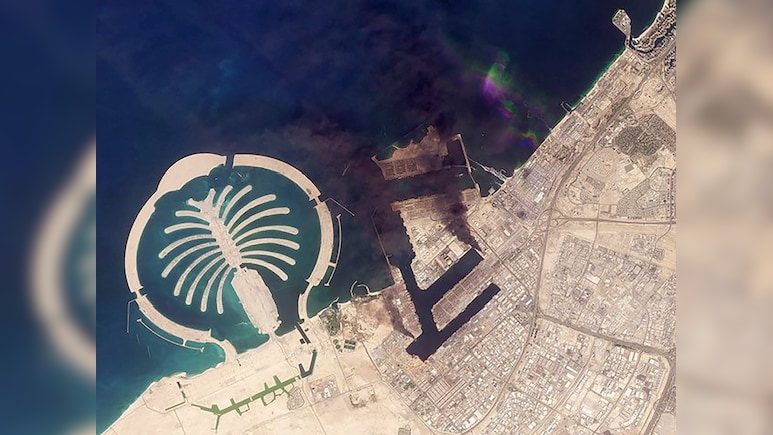
As Iran targets US bases in the Gulf region in retaliation for the airstrikes carried out by the US and Israel, its Arab neighbours are in a spot. They have condemned Tehran and flagged its targeting of civilian areas, but the big question they face is: what next? Do they join the war to avenge Iran's strikes in their territories? Or do they choose peace and push for de-escalation?
The response of the Arab states Iran bombed in the ongoing crisis -- the United Arab Emirates (UAE), Bahrain, Kuwait, Oman, Qatar, Saudi Arabia, and Jordan -- indicates that they prefer de-escalation instead of an all-out war against Tehran.
Not Their War
This is not a war the Gulf states chose. In fact, multiple reports have said the Arab nations repeatedly urged the US to de-escalate before it attacked Iran. Among the region's representatives who met top US leaders to push for peace was Oman's foreign minister, Badr Albusaidi. He met US Vice President JD Vance the day before Iran was attacked.
"I am dismayed. Active and serious negotiations have yet again been undermined. Neither the interests of the United States nor the cause of global peace are well served by this. And I pray for the innocents who will suffer. I urge the United States not to get sucked in further. This is not your war," Albusaidi wrote on X.
The Gulf States do not want to get dragged into someone else's war. This is why they have maintained restraint despite Iran's attacks.
Iran Has Been Careful
While Tehran has bombed its neighbours in the aftermath of Saturday's airstrikes, it has stressed that its targets are US bases and assets and that it is retaliating in self-defence. Iran has also targeted civilian infrastructure such as hotels and airports, but the number of casualties suggests that the strikes were aimed at sending a stern message and not maximising damage.
Against that backdrop, it can be assumed that Tehran does not intend to enter a long-drawn-out conflict with its neighbours. It also gives Arab nations an off-ramp to choose diplomacy over aggression.
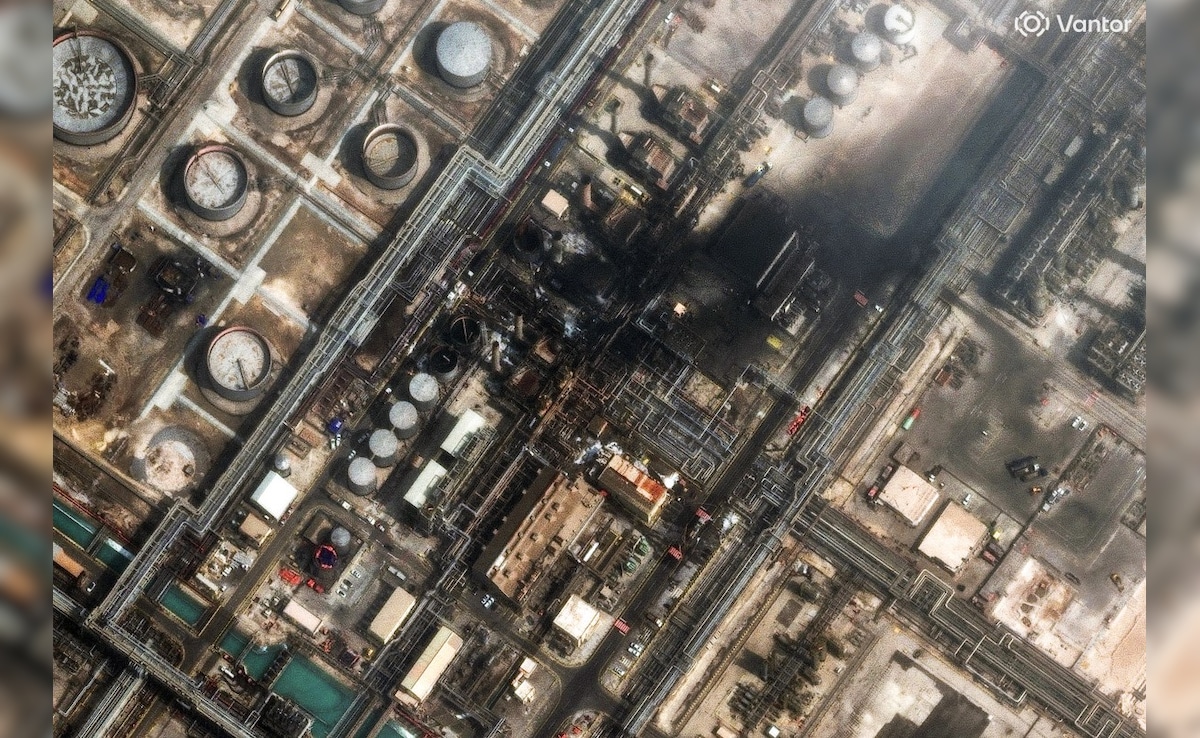
A Saudi Aramco refinery was struck during Iranian strikes
The War vs Peace Cost
A historically volatile region, Gulf nations have seen significant stability and economic growth over the last couple of decades. Cities like Dubai, Abu Dhabi, Riyadh, and Jeddah are popular tourism destinations and home to large numbers of expatriates, including millions from India. The Dubai airport is a nerve centre for global aviation and one of the busiest in the world.
A prolonged conflict involving so many players has the potential to destroy all that has been painstakingly built over decades. No Gulf nation wants that, especially since this is not their war.
The Arab states know they will end up paying much more if they enter a prolonged conflict, and this explains why they have shied away from a military response and confined themselves to strong condemnations.
What Is The Way Out
While most Gulf nations have their militaries, they are unlikely to launch a direct offensive against Iran. Most security experts think they may provide more access to the US to strike Tehran. They are also expected to strengthen their defence infrastructure.
"Could Gulf militaries enter the war directly? It is possible, but more likely in narrow self-defence terms rather than through offensive strikes," Andreas Krieg, a senior lecturer at the School of Security Studies at King's College London, confirmed, according to a DW report. "Gulf states will try to contain spillover rather than actively join a widening war. Once missiles started landing around the region, they faced an ugly choice: Respond hard and risk being locked into escalation, or respond softly and look exposed at home."
Krieg said the affected countries would focus on "maximising air and missile defence, protecting bases and critical infrastructure, tightening internal security, and putting continuity plans into motion," he said.
Simultaneously, diplomatic channels will likely be at work to defuse the situation.
Track Latest News Live on NDTV.com and get news updates from India and around the world


