At first light, with the sounds and smoke of overnight explosions still in the air, a small municipal truck drives into a deserted street in Tyre, a coastal town in south Lebanon. Men in fluorescent vests climb down, moving quickly past buildings reduced to shells. They lift black plastic bags from doorways and load them into the back of the truck.
In the hushed stillness of morning, as Mediterranean waves lap the coastline, municipal workers are the first to emerge on the streets, symbolising life after deadly bombing.
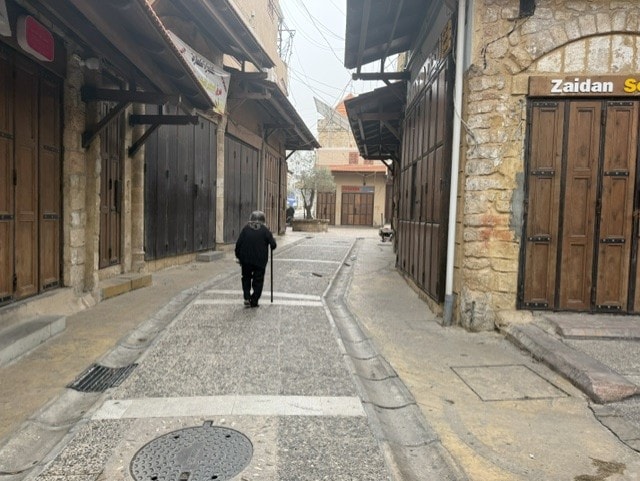
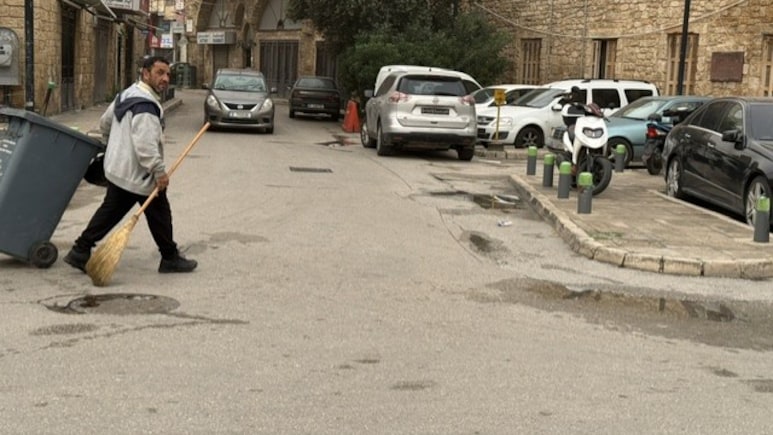
They sweep through the empty streets of Tyre, brooms in hand and trash bins rolling beside them.
Tyre has become the new frontline in south Lebanon, as areas beyond it have either been captured by Israel or turned into sites of fierce clashes between Hezbollah and the Israeli army.
Many villages and towns have been completely flattened by the Israeli military, rendering them uninhabitable. Israel has declared these areas enemy locations and aims to turn them into a security buffer zone.
While Tyre stands on the edge in a region where daily bombardment has damaged and destroyed much of the infrastructure, the steady work of sanitation workers emerges as a quiet sign of life continuing.
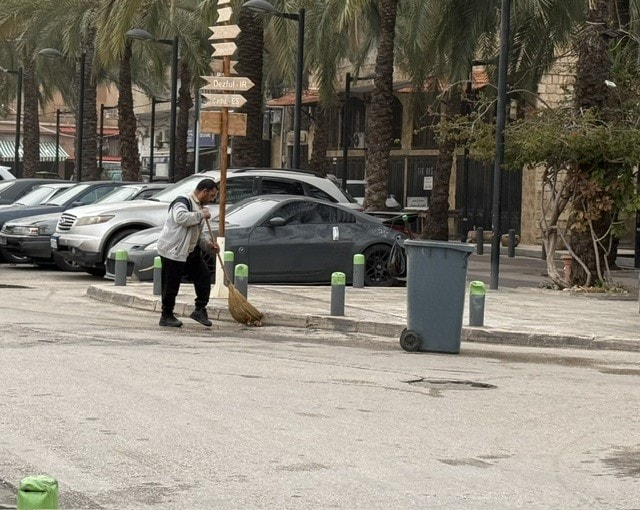
In Lebanon, people are often reluctant to come on camera due to the complex situation and decades of conflict. I tried speaking to some of these sanitation workers, but they declined to be interviewed.
"We have a job to do. People are still living here, and they produce waste. We have to clear it," said a worker who did not want to be identified.
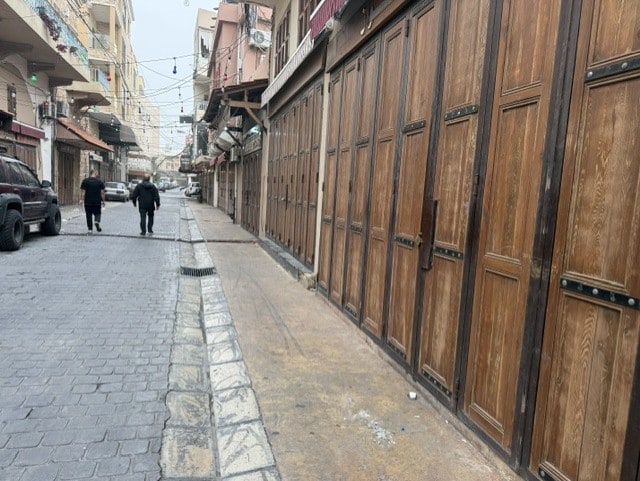
Alwad Sharfudin, deputy mayor of Tyre, said around 20,000 people are still living in the town after the outbreak of war. Tyre has also received several thousand displaced people from nearby areas that have been bombed or captured by Israel.
Mr Sharfudin told NDTV that 13 camps have been set up for the displaced, where basic amenities are being provided.
Despite the destruction, the streets of Tyre remain clean. There is no visible build-up of household garbage. Roads are not clogged with refuse. While piles of concrete and twisted metal mark the sites of collapsed buildings, workers continue to collect domestic waste with striking regularity.
In a place where airstrikes have become routine and residents are uncertain about surviving another day, the sight of a sanitation worker or a garbage truck offers a brief sense of reassurance.
In conflict zones, media coverage often focuses on fighting, bombs and destruction, while the systems that sustain daily life receive little attention.
Lebanon has witnessed the breakdown of basic services before. A political deadlock in 2015 triggered a nationwide waste crisis, leaving thousands of tonnes of garbage to rot on the streets of Beirut. The situation sparked massive protests, with residents fearing serious health risks.
But during the ongoing war, this coastal town is showing a different picture. Municipal workers continue to do their jobs, navigating damaged roads and the constant threat of airstrikes. Their efforts often go unnoticed, yet they help prevent a second, slower-moving crisis from unfolding.
Meanwhile, neighbourhood bakeries are among the first to open, preparing traditional Lebanese breakfast. These are the places where people gather at first light.
"Amid the war, it's reassuring to see basic services like sanitation are not disrupted. These workers are clearing garbage every morning and safeguarding public health," said a resident.
The risks in Lebanon are real, and even more severe in the south. Airstrikes have hit roads, bridges, ambulances, health workers, journalists, residential areas and markets. There is no guarantee that municipal vehicles will be spared.
Yet, these workers move quickly, often adjusting their routes depending on security conditions, to ensure essential services continue. Despite the dangers, they return every morning.
Track Latest News Live on NDTV.com and get news updates from India and around the world


