- Pakistan has acted as a back-channel mediator between the US and Iran amid escalating conflict
- Pakistan seeks to prevent war spillover due to its Shiite population and border with Iran
- Pakistan's defense pact with Saudi Arabia complicates its position amid rising regional tensions
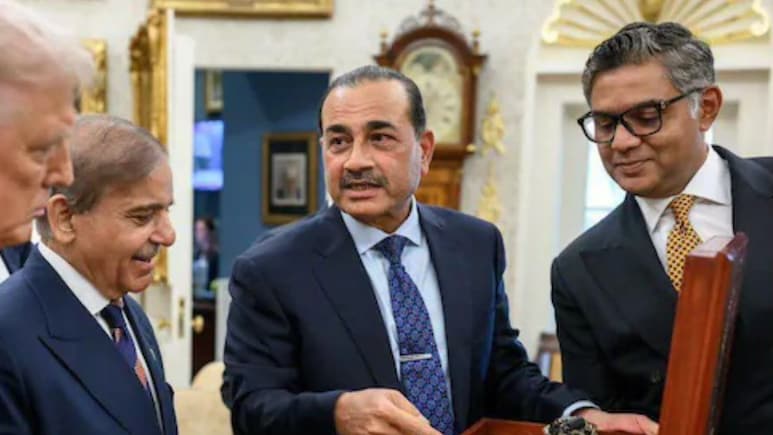
Over the past week, as the war in Iran escalated, threatening the global economy and energy infrastructure in the Middle East, Pakistan has tried hard to project itself as a back-channel conduit between Washington and Tehran. The diplomatic flurry began with Pakistan's army chief, Field Marshal Asim Munir, directly calling US President Donald Trump on Sunday. The next day, Prime Minister Shehbaz Sharif spoke with Iranian President Masoud Pezeshkian and even offered Islamabad as a possible venue for truce talks, according to a Financial Times report.
Later, Pakistan reportedly delivered a 15-point US peace plan to Iran, which Tehran rejected. Pakistan, Turkey, and Egypt have been engaged in back-channel diplomacy between the US and Iran for some time now, but their mediation efforts intensified in recent days as the conflict in the Middle East intensified, leading to a global energy crisis.
But the path to peace would not be easy for Pakistan, especially if Iran refuses to back down. Any escalation threatens to pull Islamabad directly into the conflict at its back door, especially due to its defence pact with Saudi Arabia.
Pakistan's Stake in War
If Islamabad succeeds in bringing Washington and Tehran officials under one roof, it could raise Pakistan's global prominence to heights not reached since it helped mediate the secret diplomatic opening that led to US President Richard Nixon's visit to China in 1972. It would also cap over a year of relationship building with Trump that has involved astute diplomacy and crypto deals.
Islamabad, which maintains direct contact with both Washington and Tehran at a time when most of such channels are frozen, would also benefit directly from an end to the war. Pakistan is home to the world's second-largest Shi'ite Muslim population after Iran and faced nationwide protests the day after US and Israeli strikes killed Ayatollah Ali Khamenei at the start of the conflict on February 28.
The risk of a prolonged war in Iran spilling over into Pakistan is among Islamabad's biggest fears, especially as it has already been engaged in a conflict with the Afghan Taliban and has also suffered from fuel disruptions caused by the Iran war.
"Pakistan has unusual credibility as a mediator, maintaining workable ties with both Washington and Tehran, while a history of strained relations with each gives it just enough distance to be seen as a credible go-between," Adam Weinstein, deputy director of the Middle East program at the Quincy Institute, told news agency Reuters.
Pakistan's Complicated Ties With The US And Iran
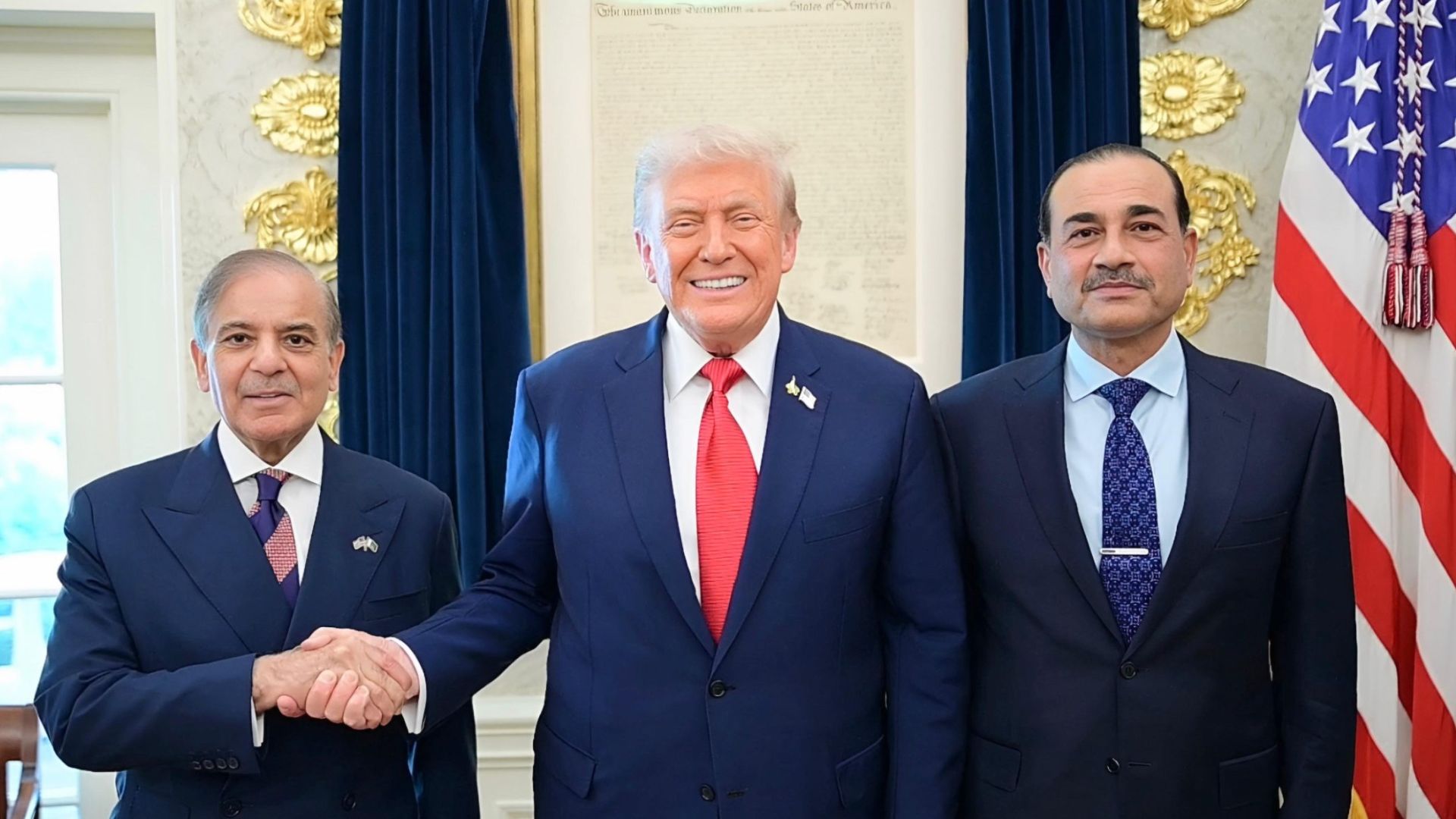
Over the past year, Pakistan's powerful army chief has built a close relationship with Trump to repair years of mistrust. Pakistan joined Trump's Board of Peace just after Munir flew to Davos to meet Trump in January. Islamabad has also struck a deal with a crypto business linked to Trump's family, while White House envoy Steve Witkoff helped broker an agreement to redevelop New York's Roosevelt Hotel, owned by Pakistan's national airline.
Pakistan has been involved in diplomacy to end the Iran conflict since it started, including shuttling at least half a dozen messages between the US and Iran, according to a Reuters report. Islamabad has also reportedly persuaded Israel to remove Iranian Foreign Minister Abbas Araqchi and Parliamentary Speaker Mohammad Baqer Qalibaf from its hit list amid the wave of high-profile assassinations.
Pakistan also shares a sensitive border with Iran across its southwestern Balochistan province, the site of a decades-long insurgency. The neighbours clashed along their border in January 2024, but ties have since been repaired. Iran may perceive it as more neutral than other possible mediators. "Unlike Gulf states like Qatar, Pakistan does not host U.S. military bases and is a military power in its own right," according to Weinstein.
Pakistan can also lean on its historic role as an intermediary, as Tehran's de facto diplomatic mission in the US has been hosted at Pakistan's embassy in Washington since diplomatic relations between the US and Iran ruptured in 1979.
The Saudi Problem
However, Iran has hardened its stance since the war began, demanding guarantees against future military action, compensation for losses, and formal control of the strait, media reports have said.
So if Tehran continues to strike the neighbouring Gulf nation in retaliation for US and Israeli strikes, Islamabad's mutual defence agreement with Riyadh, signed in September, may come to bite it in the back. The pact requires both countries to come to the other's aid and has therefore weighed on calculations.
As the US war in Iran entered its second week and Tehran struck Saudi Arabia, Pakistan's foreign minister Ishaq Dar said he had reminded Iran of the pact and was attempting to mediate with Iran. Security sources in Pakistan told Reuters that Islamabad was bound by the pact but was working to avoid entering the conflict through its backchannel talks with Tehran.
Track Latest News Live on NDTV.com and get news updates from India and around the world


