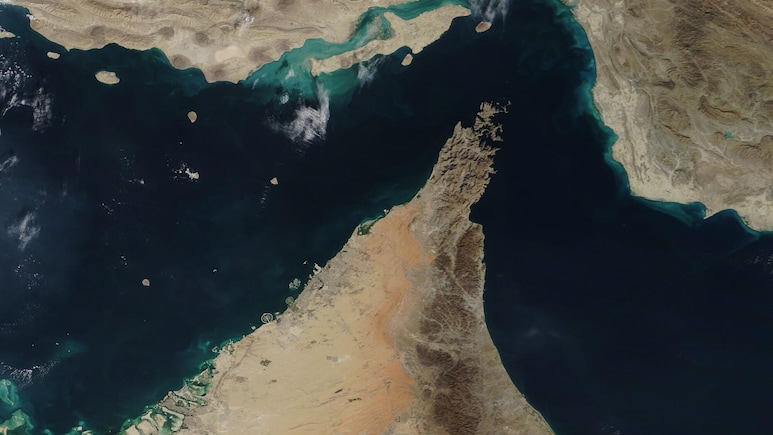
Iran is unable to fully reopen the Strait of Hormuz for shipping due to its self-inflicted problem: It cannot locate all the mines it laid in the waterway to block the passage amid war, the New York Times reported, citing US officials. This is likely to make their peace talks with the US in Islamabad fraught with risk - given Donald Trump's warning to Tehran to quickly reopen the chokepoint that carries around a fifth of the world's oil supply and allow more traffic to pass through it.
Iran had used small boats to mine Hormuz last month - soon after the US and Israel carried out joint airstrikes across Iran over stalled nuclear talks, and claims that Tehran had resumed its nuclear activities. However, it is not clear whether Iran recorded the mines' placements, the report said.
According to the report, some mines, whose placements were recorded by Iran, had been placed in a way that allowed them to drift or move - making it difficult to locate them.
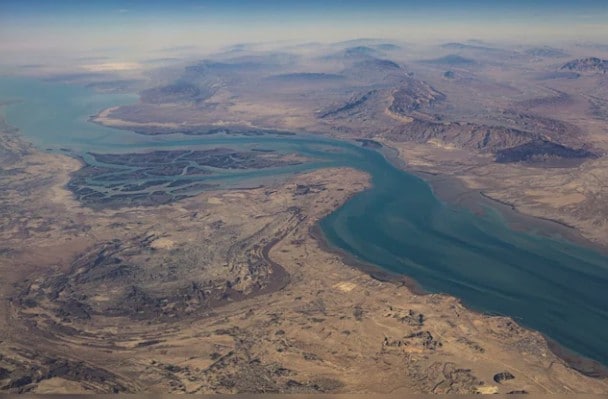
The Iranian authorities mined the strait "haphazardly", US officials said, reported NYT.
The Hormuz sea passage, which connects the Persian Gulf to the Gulf of Oman and the Arabian Sea, is an important route for approximately 25 per cent of the world's oil - and even more for India, whose 80 per cent of energy important passes through it.
Iran's Islamic Revolutionary Guard Corps had issued warnings that ships passing through the strait could collide with sea mines. It, however, left another passage open to allow the transit of ships that pay a toll.
Earlier this week, Iran agreed to fully reopen Hormuz as it agreed to a ceasefire with the US, hours before Trump's deadline. But its inability to quickly clear the waterway due to the mining problem, Tehran announced alternative routes for ships travelling through the Strait of Hormuz, citing the "risk of sea mines" in the main zone of the vital waterway.
"All ships intending to transit the Strait of Hormuz are hereby notified that to comply with the principles of maritime safety and to be protected from possible collisions with sea mines...they should take alternative routes for traffic in the Strait of Hormuz," Iran's Revolutionary Guards said in a statement.
The statement shared instructions for an alternative entry and exit route through the strait.
Track Latest News Live on NDTV.com and get news updates from India and around the world


