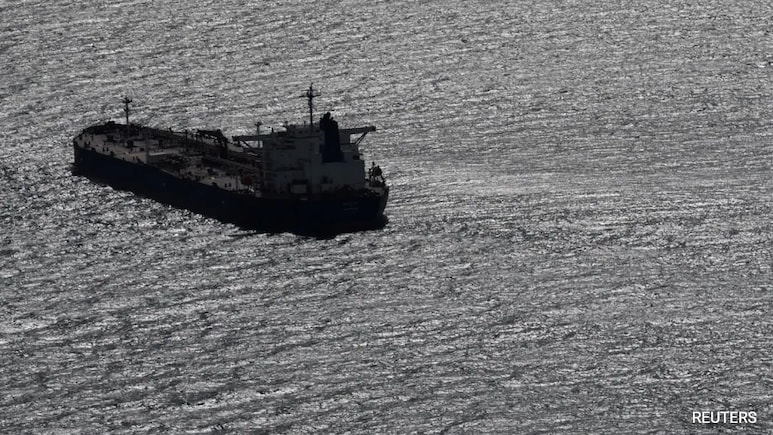
The US has seized two Russian-linked oil tankers in the North Atlantic and Caribbean, as part of an intensified campaign to crack down on vessels accused of violating sanctions and evading maritime restrictions.
The tankers, connected to Venezuelan oil exports, were intercepted in back-to-back operations. The seizure came days after US forces invaded Venezuela and picked up President Nicolas Maduro and his wife. They are facing drug trafficking and related charges in a Manhattan court now, according to BBC.
These operations bring attention to Russia's ghost or shadow fleet, a secret group of oil tankers that helps Moscow export oil despite Western sanctions. These ships hide their ownership and cargo and let Russia sell oil even when it's officially restricted.
By mid-2024, the fleet included over 400 crude oil carriers and around 200 oil product carriers. That's about 20 per cent of all crude oil ships in the world and 7 per cent of oil product tankers. The ghost fleet carried over 70 per cent of Russia's oil exports, so it helps Moscow earn a substantial amount of funds even under sanctions.
In the first half of 2024, Russia's oil and gas revenues went up by 41 per cent.
How does Russia's ghost fleet avoid sanctions?
To stay hidden, they frequently turn off their AIS (Automatic Identification System), which is normally used to track ships. This allows them to "go dark" so no one knows where they are.
Some of these tankers are reportedly equipped with spy equipment and could even cut undersea communication cables.
Instead of going directly to ports, these tankers often do ship-to-ship transfers of oil, where monitoring is weak, especially in remote locations like the eastern Mediterranean or off the coast of West Africa.
Many ghost fleet vessels are registered in countries with lax rules, such as Panama or Liberia. This hides the real owners and makes it harder for authorities to find them, according to the Atlantic Council.
Russia often uses aging tankers, which are cheaper and less likely to follow strict international safety rules. Before Russia invaded Ukraine, only 3 per cent of global tankers were over 20 years old. Now, it's said to be 11 per cent by 2025.
Interfering with infrastructure
The ghost fleet isn't just about smuggling oil; it may also be used to interfere with critical infrastructure, like undersea cables, which could disrupt electricity and communications in Europe.
The Estlink 2 power cable, linking Finland and Estonia, was damaged. Authorities suspect the oil tanker Eagle S, thought to be part of Russia's ghost fleet, dragged its anchor and cut the cable.
In December 2024, some critical undersea cables in the Baltic Sea were damaged.
Earlier in mid-November 2024, two more undersea cables were cut, including the BCS East-West Interlink between Lithuania and Sweden and the C-Lion1 cable connecting Finland and Germany.
Owners and secrecy
The owners of the ghost vessels are usually based in non-Western countries. They often use complex arrangements to hide who really owns the ships. Some owners are brand-new companies that don't even have a physical address, making it very hard to trace them.
Since they operate outside normal maritime rules, these ships often don't get regular maintenance, making them unsafe and more prone to accidents.
Track Latest News Live on NDTV.com and get news updates from India and around the world


