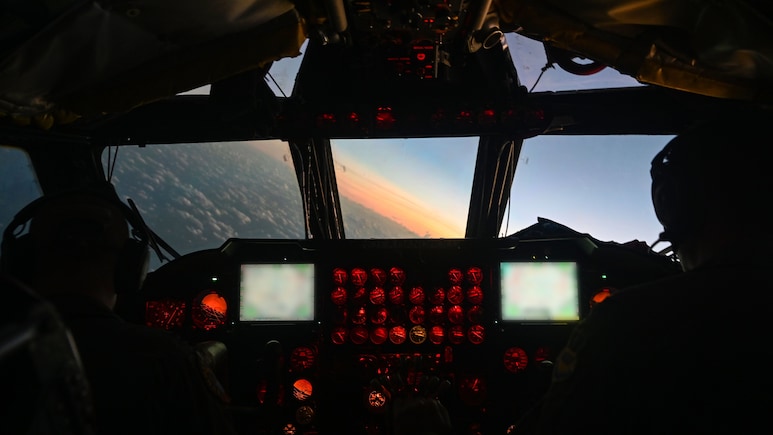
The US military successfully located and rescued an American airman whose F-15 fighter jet had been shot down in southern Iran, using a new, highly secretive tool developed by the CIA, according to a report.
The airman, identified publicly only as “Dude 44 Bravo,” spent two days hiding in a mountain crevice after his jet went down while Iranian forces scoured the area with a bounty on his capture.
According to The New York Post, the breakthrough came with the deployment of a technology called "Ghost Murmur", which detects the electromagnetic signature of a human heartbeat from long distances. The system combines quantum magnetometry with artificial intelligence to separate the pulse from environmental noise.
“It's like hearing a voice in a stadium, except the stadium is a thousand square miles of desert. In the right conditions, if your heart is beating, we will find you,” one source familiar with the operation told The New York Post.
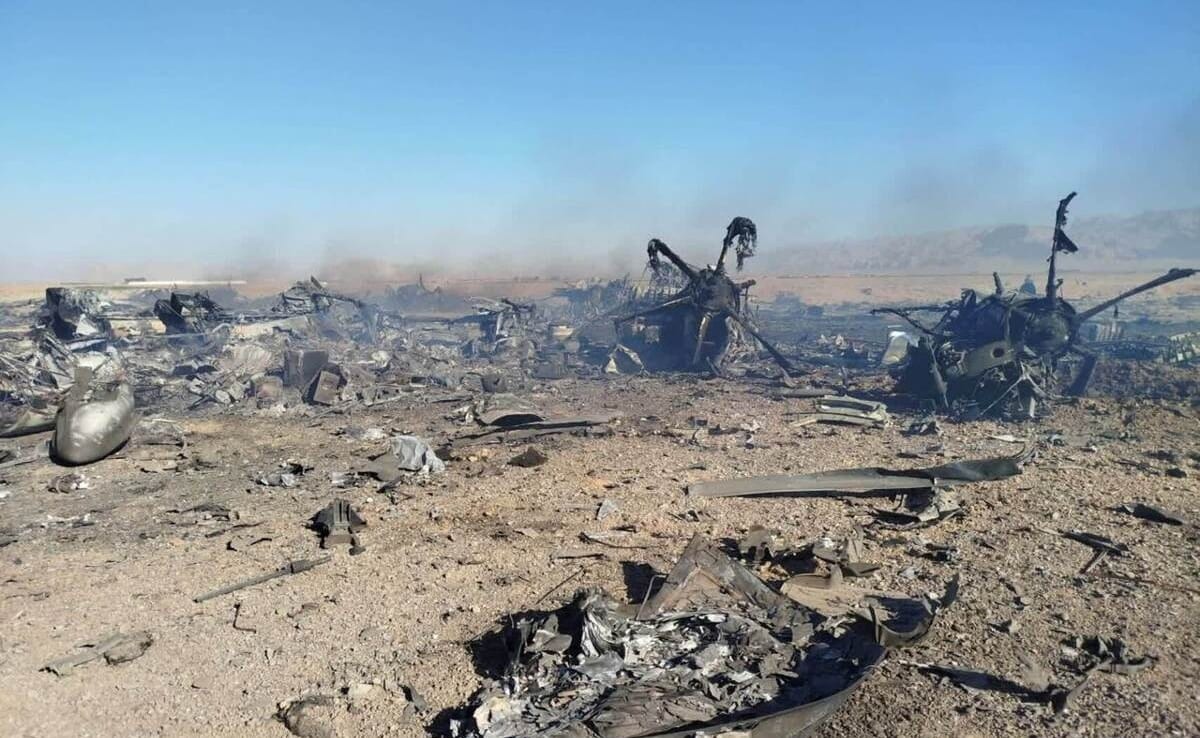
A still image purporting to show US aircraft destroyed during the mission to find a stranded airman in Iran
Photo Credit: Reuters
Ghost Murmur was developed by Lockheed Martin's Skunk Works, the company's top-secret research division and this mission marked its first known operational use.
The system had been tested on Black Hawk helicopters for use on fighter jets like the F-35 in the future.
“The name is deliberate. ‘Murmur' is a clinical term for a heart rhythm. ‘Ghost' refers to finding someone who, for all practical purposes, has disappeared,” the source said.
The desert terrain around the crash site offered ideal conditions for the Ghost Murmur. Low electromagnetic interference, minimal human activity and the contrast between a living body and the cool desert floor at night provided multiple layers of confirmation.
Normally, a human heartbeat is so faint that it can only be detected by sensors pressed right against the chest. But Ghost Murmur with quantum magnetometry picked up these signals “at dramatically greater distances.”
“The capability is not omniscient. It works best in remote, low-clutter environments and requires significant processing time,” the source told The New York Post.
While the airman had activated a Combat Survivor Evader Locator beacon, search and rescue teams still could not determine his exact location. Ghost Murmur was critical in narrowing it down.
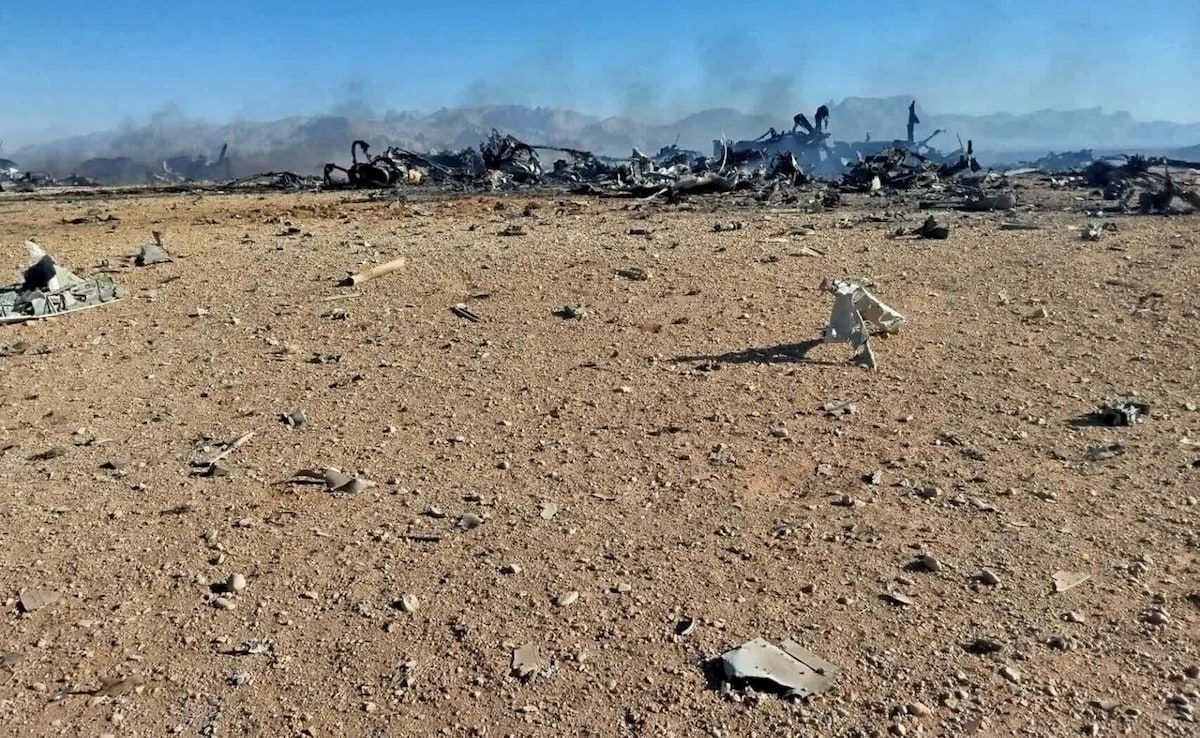
Picture purportedly shows US aircraft destroyed during the mission to rescue missing airman in Iran
Photo Credit: Reuters
President Donald Trump and CIA Director John Ratcliffe both hinted at the technology during a White House briefing.
Trump said that the CIA located the airman from “40 miles away,” describing the operation as “like finding a needle in a haystack.”
The rescue operation reportedly involved hundreds of US troops in action with two planes getting trapped on the ground. Extra aircraft had to be sent in and the stranded jets were destroyed, yet all Americans on the mission returned safely.


