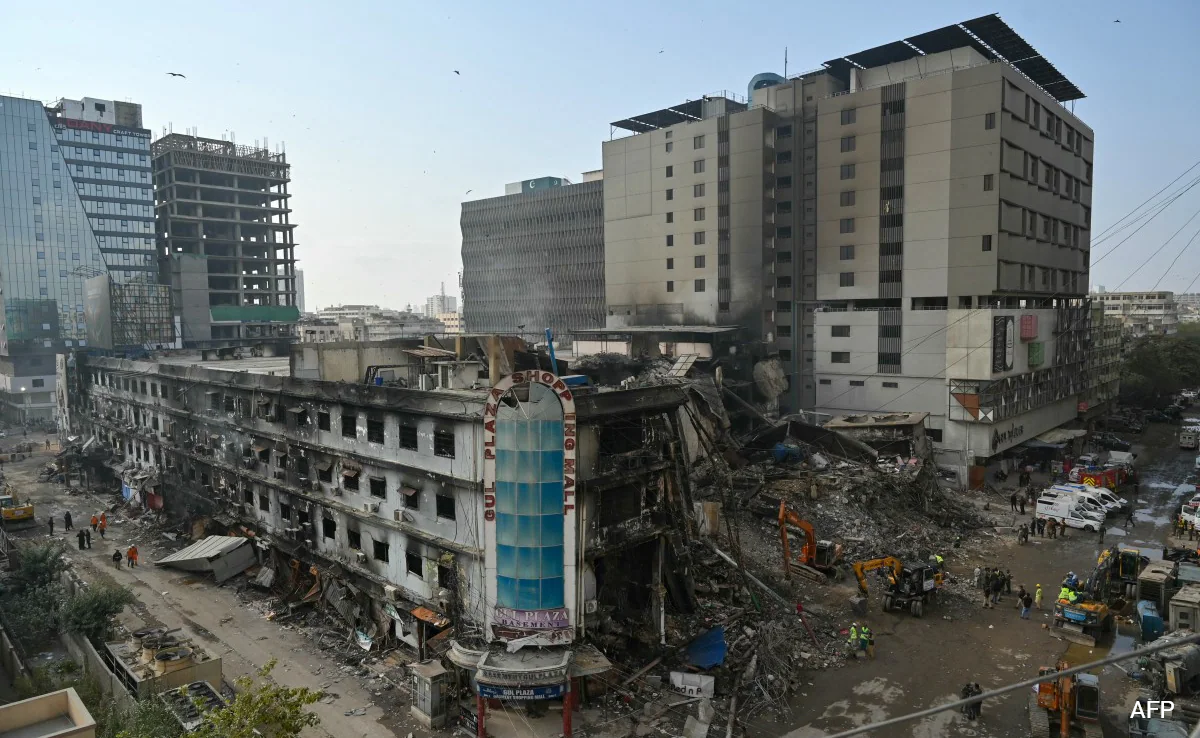
The devastating fire that tore through a shopping mall in Pakistan's largest city, Karachi, over the weekend has killed at least 61 people, including 30 who died in a single shop on the mezzanine floor of the building, authorities said. The fire at Gul Shopping Plaza was Karachi's biggest fire in more than a decade, consuming a three-storey commercial building that housed over 1,200 shops.
It took nearly 36 hours to fully extinguish the blaze that started on January 17 in the basement of a shopping complex located in the city's Saddar area. The search and rescue efforts are still underway, with officials fearing that the number of deaths might climb over 100.
Karachi Mayor Murtaza Wahab has announced that the government of Sindh, the province where Karachi is located, will provide compensation of 10 million rupees ($35,000) for each family that has lost a loved one in the tragedy.
ALSO READ: Deaths In Karachi Mall Fire Climbs To 61, 30 Bodies Found In A Single Shop
Race Against Time
AFP
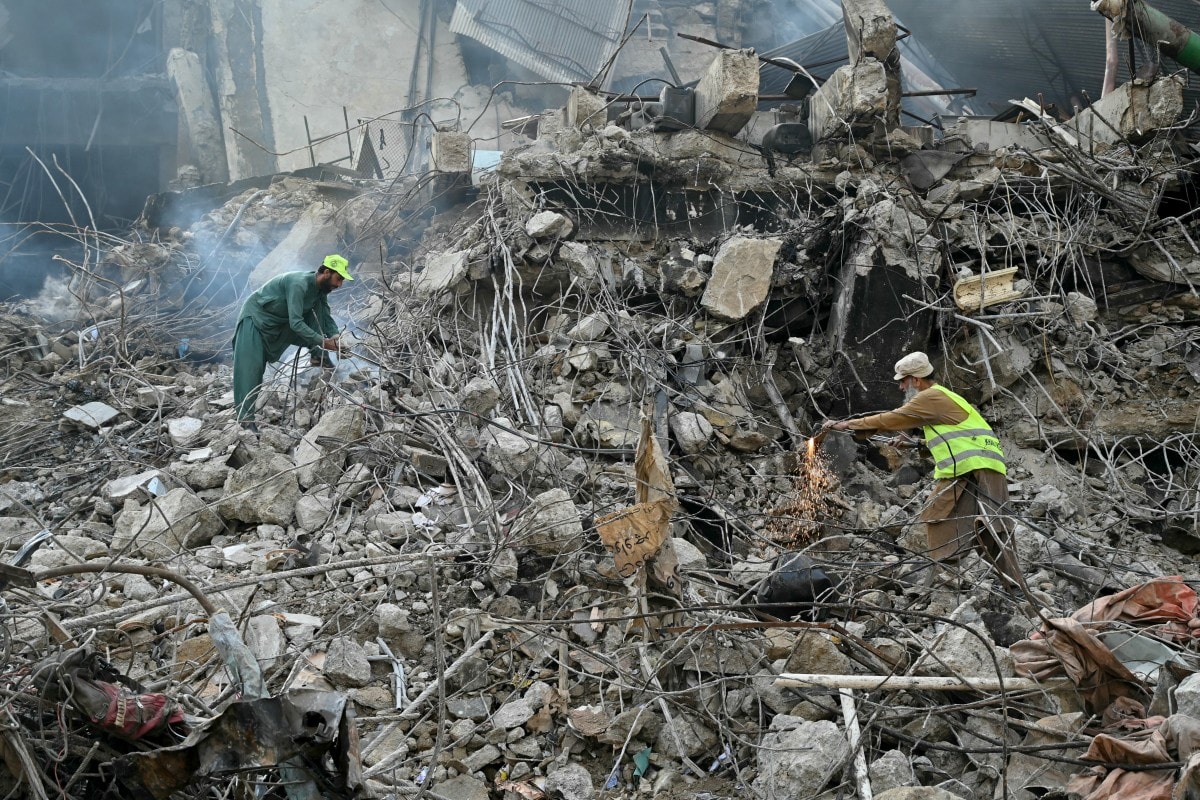
Authorities said the rescue efforts were severely hampered due to debris and poor ventilation from the part of the building that collapsed due to the blaze. According to the chief fire officer at the Karachi Metropolitan Corporation, Humayun Khan, it can take another 10-15 days before rescue operations to locate the missing persons are completed.
Sindh Chief Minister Murad Ali Shah said the building was packed with people due to the wedding season, a factor that contributed to the high death toll.
Hassan ul-Haseeb, a spokesperson for the provincial rescue service, said access to the site was a major challenge on the night of the fire.
"On the one hand, the road was narrow, and on the other hand, a large number of people were there just to watch the spectacle, due to which the entire road was blocked and water tankers had difficulty finding their way there," he told Al Jazeera.
Ul-Haseeb added that the materials inside the plaza, including large amounts of plastic, caused the fire to repeatedly flare up despite sustained efforts by firefighters, prolonging the operation.
He said people on the ground floor were able to escape using the building's 13 entry and exit points. Many of those trapped on the upper floors, however, were unable to find their way out, leading to multiple deaths.
ALSO READ: Death Count In Pakistan Shopping Mall Fire Climbs To 50
Safety Lapses
AFP
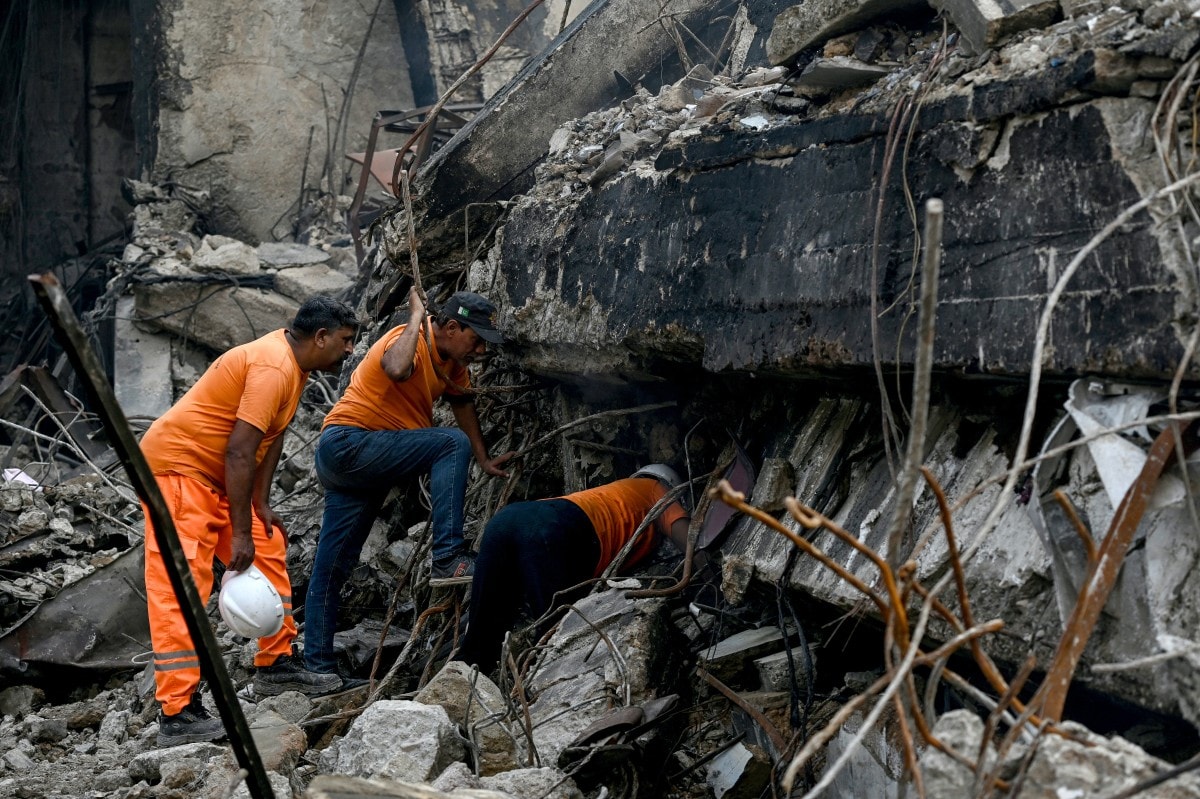
Karachi Commissioner Syed Hassan Naqvi, the convener of an inquiry committee formed by the Sindh government to probe the incident, said that the fire safety measures inside the buildings did not adhere to international standards.
Senior lawyer Abid Mateen confirmed that there were at least three pending cases in courts over the safety measures and condition of the building structure, which was destroyed in the inferno.
Police officials believe that the blaze may have been triggered by a short circuit. But Namra Khalid, a Karachi-based urban researcher, noted that a detailed investigation is needed before conclusions can be drawn.
"However, I think the main concern should be about what allowed the fire to become so big at such a rapid pace," Khalid told Al Jazeera.
"Fires can start anywhere, but what structural, systemic failures allowed it to spread on such a scale, and why are such failures allowing repeated fires in the city at an unimaginable scale?"
ALSO READ: How Pakistan Reacted To A Rs 6-Crore Watch At Nawaz Sharif's Family Wedding
Largest Fire in Over a Decade
The fire at Gul Plaza is seen as Karachi's largest blaze since the 2012 Baldia factory fire, which killed more than 250 people. In recent years, thousands of fires have broken out across Karachi, but none were as big.
But the inferno highlighted the city's unpreparedness to deal with such massive tragedies. For a city of more than 20 million people, Karachi has just 35 fire stations, according to the Karachi Metropolitan Corporation.
Ul-Haseeb told Al Jazeera that Karachi has only 57 fire trucks and six ladder trucks. Reports showed that Gul Plaza was relatively newer construction and was better designed than many other buildings in the city, with multiple entry and exit points.
"This was a building with fire extinguishers, reasonably sized stairs where people can move and lots of exit points, yet we have so many casualties. If we use Gul Plaza as a benchmark, then the rest of Karachi is a ticking time bomb," Toheed, an urban researcher, warned.
He said city authorities also need to urgently address the lack of capacity and training among rescue officials.
Track Latest News Live on NDTV.com and get news updates from India and around the world


