



Weather Satellite
-
{
- All
- News
-

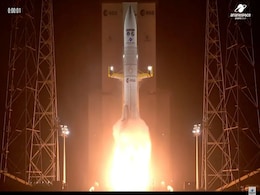
Ariane 6 Launches Metop-SGA1 Weather Satellite into Polar Orbit
Europe’s heavy-lift Ariane 6 rocket completed its third successful launch on Aug. 12, 2025, lifting off from Kourou, French Guiana at 8:37 p.m. EDT. The mission carried Metop-SGA1, an 8,900-pound next-generation polar-orbiting weather satellite operated by EUMETSAT. Placed into an 800 km polar orbit 64 minutes after liftoff, Metop-SGA1 will deliv...
-
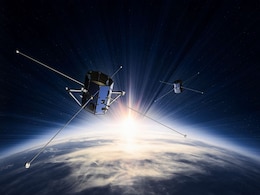
NASA's TRACERS Satellites Begin Solar Wind Study Despite SV1 Glitch
NASA launched its twin TRACERS satellites on July 23, 2025, to study how solar wind causes magnetic reconnection in Earth's magnetosphere. However, a power issue on one spacecraft, SV1, has caused intermittent communication. Engineers believe the issue relates to sunlight availability on its solar panels and plan recovery efforts in August. Meanwhi...
-
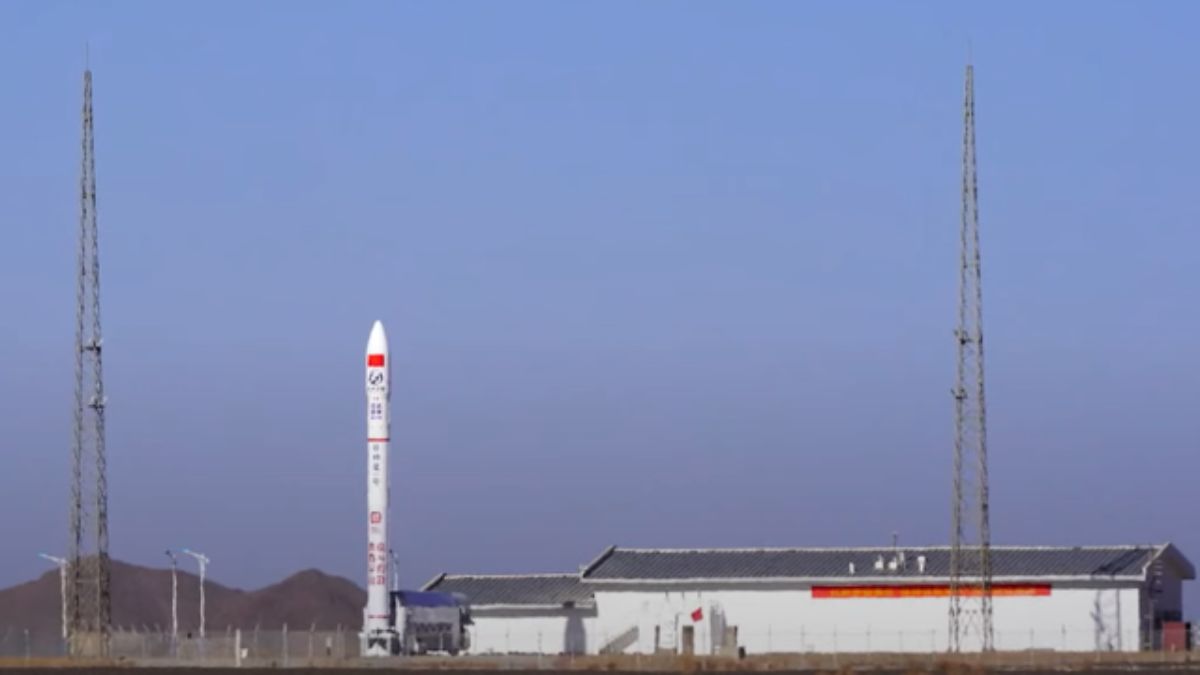
China’s Ceres-1 Rocket Successfully Deploys 5 Satellites for Weather and Remote Sensing
China's space industry continues to grow with the successful deployment of five satellites by the Ceres-1 rocket on 20 January. The payload included four Yunyao-1 meteorological satellites and the Jitianxing A-05 remote sensing satellite. This launch, conducted by Galactic Energy, marks a key milestone in China’s expanding commercial space sector...
-
Solar 'Battle Zone' Could be Even Worse Than Solar Maximum, Experts Warn
Experts warn that the sun's next phase, the "battle zone," could result in increased geomagnetic activity, lasting until 2028. This period could bring heightened solar flares and coronal holes, which may cause disruptions to satellites in low-Earth orbit. Space weather experts, including Scott McIntosh from Lynker Space, have noted that this phase ...
-
Europe Satellite Operator Cancels Ariane 6 Plans, To Go With SpaceX: Report
Europe's weather satellite operator has cancelled plans to use the European rocket Ariane 6 less than two weeks before its first-ever launch, opting to go with US firm SpaceX instead, the French newspaper Le Monde has reported.
-
New Method to Create 3D Printed Sensors Could Help Scientists Predict Weather, Study Climate Change
Researchers at the MIT have developed the ability to create low-cost plasma sensors for orbiting spacecraft. These 3D-printed sensors can be produced for tens of dollars in a matter of days. The 3D-printed plasma sensorsare ideal for CubeSats, which are used for environmental monitoring or and could help scientists weather prediction.
-
China Launches New Generation Weather Satellite
China has launched a new weather satellite marking an upgrade of its meteorological satellites in geostationary orbit.
-
NASA Launches 'Next Generation' Weather Satellite
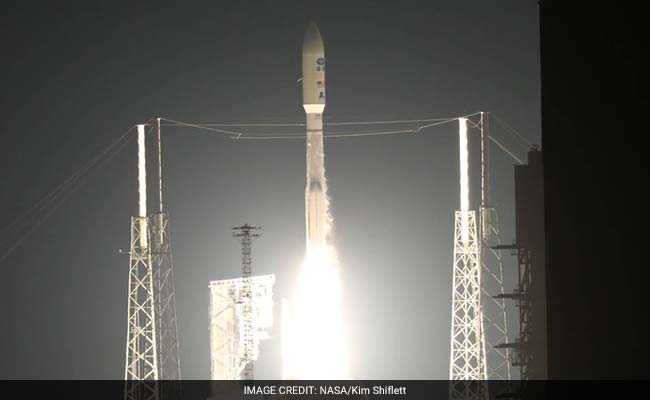
A "next generation" US weather satellite that was rocketed into space from Cape Canaveral Air Force Station in Florida at 6:42 pm EST on Saturday (5.12 am Sunday, India time) is on its way to sharpen forecasts, watches and warnings about hurricanes and storms, NASA said.
-
Countdown For PSLV Rocket's Longest Mission Begins
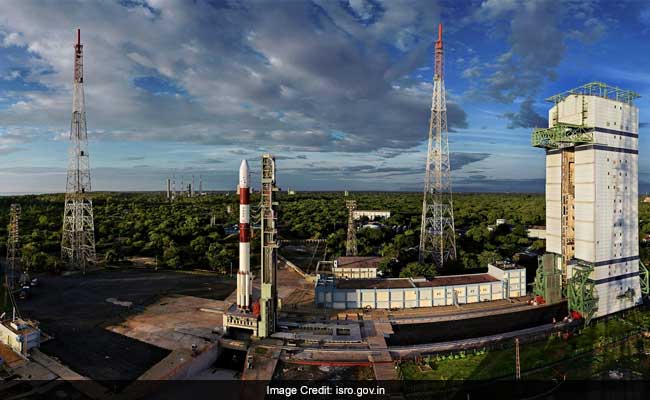
This will be ISRO's longest PSLV satellite launch mission spread over two hours and fifteen minutes.
-
Countdown For India's Rocket Launch To Start Today
Decks have been cleared for the September 26 morning launch of India's weather satellite SCATSAT-1 and seven other satellites - five foreign and two domestic - with its Polar Satellite Launch Vehicle (PSLV) rocket, said Indian Space Research Organisation (ISRO).
-
GSLV Rocket, Billed 'Naughty Boy' By Scientists, Is Now 'Adorable'
Fingers were crossed as India's heaviest rocket launcher, the GSLV, took off from Sriharikota in coastal Andhra Pradesh.
-
Countdown For Indian Weather Satellite's Launch From Wednesday
The 29-hour countdown for the launch of India's weather satellite INSAT-3DR using geosynchronous satellite launch vehicle GSLV-MkII will start at 11.10 am on Wednesday, the Indian Space Research Organisation (ISRO) said.
-
ISRO Gearing Up To Launch INSAT-3DR By End Of August: Official
Scientists at the Indian Space Research Organisation (ISRO) are gearing up for the launch of geostationary weather satellite INSAT-3DR sometime by the end of August month, a top official of the agency said on Sunday.
-
ISRO To Launch Weather Satellite Next Month
India will launch a weather satellite next month with a heavy rocket, the geosynchronous satellite launch vehicle (GSLV-Mk II), Indian space agency chief AS Kiran Kumar said in Chennai today.
-
Scare in the sky: India's latest satellite almost got lost
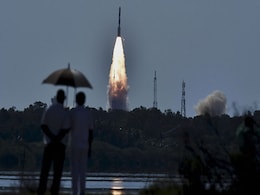
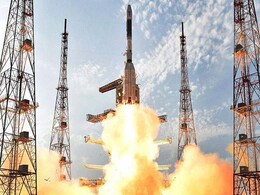
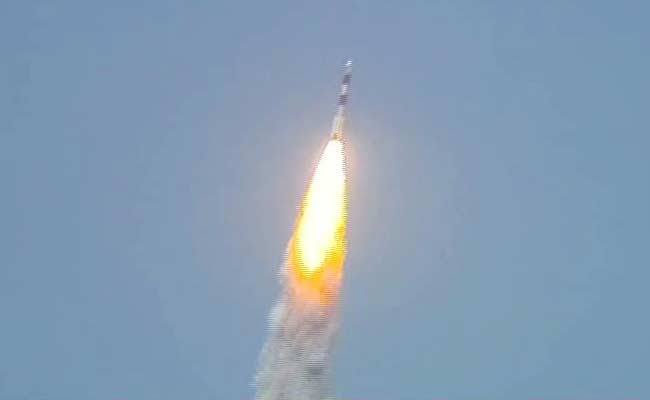
Minutes after the INSAT-3D satellite was launched last month to help forecast weather and predict natural disasters, scientists at the Indian Space and Research Organization (ISRO) were in nail-biting agony.



-
Ariane 6 Launches Metop-SGA1 Weather Satellite into Polar Orbit
Europe’s heavy-lift Ariane 6 rocket completed its third successful launch on Aug. 12, 2025, lifting off from Kourou, French Guiana at 8:37 p.m. EDT. The mission carried Metop-SGA1, an 8,900-pound next-generation polar-orbiting weather satellite operated by EUMETSAT. Placed into an 800 km polar orbit 64 minutes after liftoff, Metop-SGA1 will deliv...
-
NASA's TRACERS Satellites Begin Solar Wind Study Despite SV1 Glitch
NASA launched its twin TRACERS satellites on July 23, 2025, to study how solar wind causes magnetic reconnection in Earth's magnetosphere. However, a power issue on one spacecraft, SV1, has caused intermittent communication. Engineers believe the issue relates to sunlight availability on its solar panels and plan recovery efforts in August. Meanwhi...
-
China’s Ceres-1 Rocket Successfully Deploys 5 Satellites for Weather and Remote Sensing
China's space industry continues to grow with the successful deployment of five satellites by the Ceres-1 rocket on 20 January. The payload included four Yunyao-1 meteorological satellites and the Jitianxing A-05 remote sensing satellite. This launch, conducted by Galactic Energy, marks a key milestone in China’s expanding commercial space sector...
-
Solar 'Battle Zone' Could be Even Worse Than Solar Maximum, Experts Warn
Experts warn that the sun's next phase, the "battle zone," could result in increased geomagnetic activity, lasting until 2028. This period could bring heightened solar flares and coronal holes, which may cause disruptions to satellites in low-Earth orbit. Space weather experts, including Scott McIntosh from Lynker Space, have noted that this phase ...
-
Europe Satellite Operator Cancels Ariane 6 Plans, To Go With SpaceX: Report
Europe's weather satellite operator has cancelled plans to use the European rocket Ariane 6 less than two weeks before its first-ever launch, opting to go with US firm SpaceX instead, the French newspaper Le Monde has reported.
-
New Method to Create 3D Printed Sensors Could Help Scientists Predict Weather, Study Climate Change
Researchers at the MIT have developed the ability to create low-cost plasma sensors for orbiting spacecraft. These 3D-printed sensors can be produced for tens of dollars in a matter of days. The 3D-printed plasma sensorsare ideal for CubeSats, which are used for environmental monitoring or and could help scientists weather prediction.
-
China Launches New Generation Weather Satellite
China has launched a new weather satellite marking an upgrade of its meteorological satellites in geostationary orbit.
-
NASA Launches 'Next Generation' Weather Satellite
A "next generation" US weather satellite that was rocketed into space from Cape Canaveral Air Force Station in Florida at 6:42 pm EST on Saturday (5.12 am Sunday, India time) is on its way to sharpen forecasts, watches and warnings about hurricanes and storms, NASA said.
-
Countdown For PSLV Rocket's Longest Mission Begins
This will be ISRO's longest PSLV satellite launch mission spread over two hours and fifteen minutes.
-
Countdown For India's Rocket Launch To Start Today
Decks have been cleared for the September 26 morning launch of India's weather satellite SCATSAT-1 and seven other satellites - five foreign and two domestic - with its Polar Satellite Launch Vehicle (PSLV) rocket, said Indian Space Research Organisation (ISRO).
-
GSLV Rocket, Billed 'Naughty Boy' By Scientists, Is Now 'Adorable'
Fingers were crossed as India's heaviest rocket launcher, the GSLV, took off from Sriharikota in coastal Andhra Pradesh.
-
Countdown For Indian Weather Satellite's Launch From Wednesday
The 29-hour countdown for the launch of India's weather satellite INSAT-3DR using geosynchronous satellite launch vehicle GSLV-MkII will start at 11.10 am on Wednesday, the Indian Space Research Organisation (ISRO) said.
-
ISRO Gearing Up To Launch INSAT-3DR By End Of August: Official
Scientists at the Indian Space Research Organisation (ISRO) are gearing up for the launch of geostationary weather satellite INSAT-3DR sometime by the end of August month, a top official of the agency said on Sunday.
-
ISRO To Launch Weather Satellite Next Month
India will launch a weather satellite next month with a heavy rocket, the geosynchronous satellite launch vehicle (GSLV-Mk II), Indian space agency chief AS Kiran Kumar said in Chennai today.
-
Scare in the sky: India's latest satellite almost got lost
Minutes after the INSAT-3D satellite was launched last month to help forecast weather and predict natural disasters, scientists at the Indian Space and Research Organization (ISRO) were in nail-biting agony.

