



Supermassive Black Hole
-
{
- All
- News
-

NASA's James Webb Telescope Maps How Supermassive Black Holes Gain Mass
NASA's James Webb Space Telescope observed gas swirling near the supermassive black hole in galaxy NGC 4696, revealing details of black hole feeding.
-
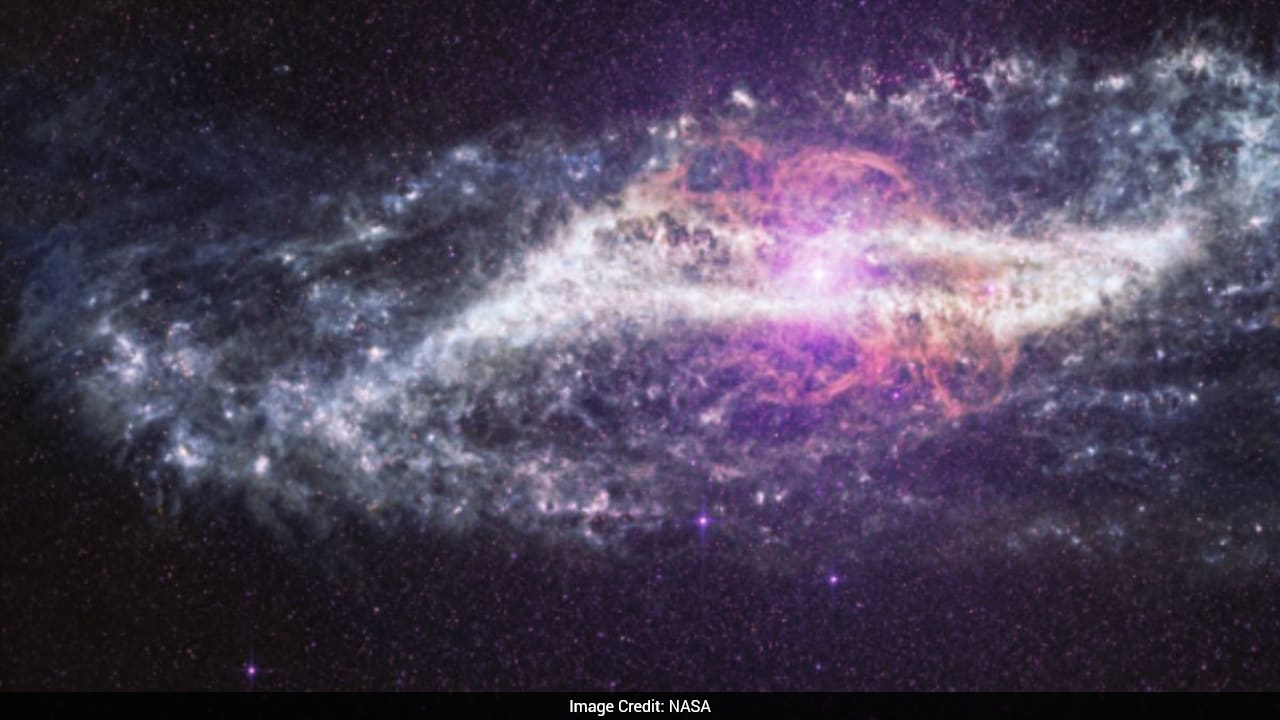
NASA's Webb Telescope Captures Rare Views Of Galaxy Shaped By Cosmic Collision
Earlier visible-light observations by NASA's Hubble Space Telescope could not show the galaxy's central region because dust blocked the view.
-
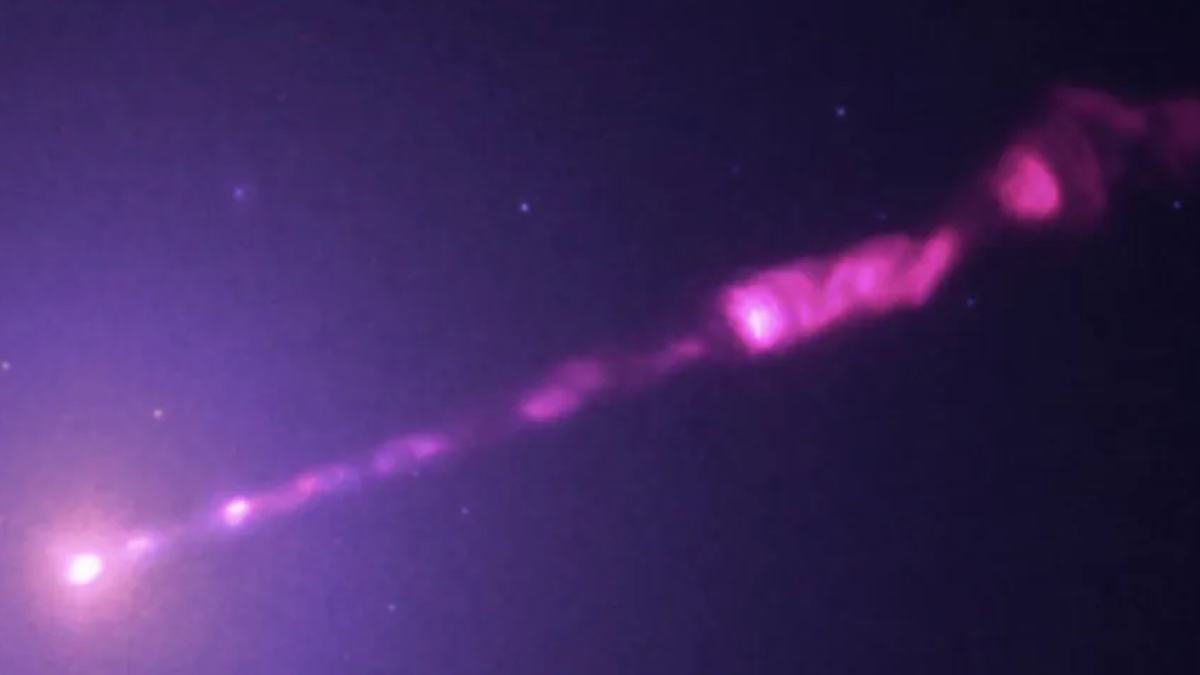
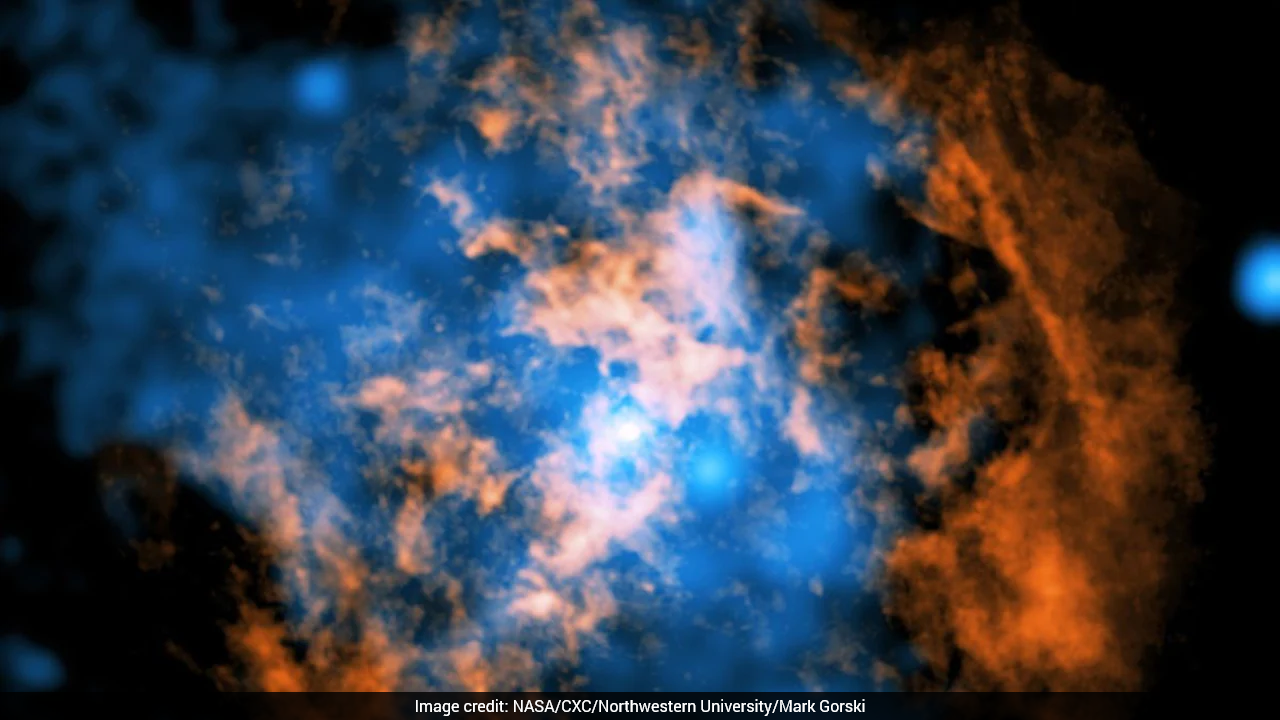
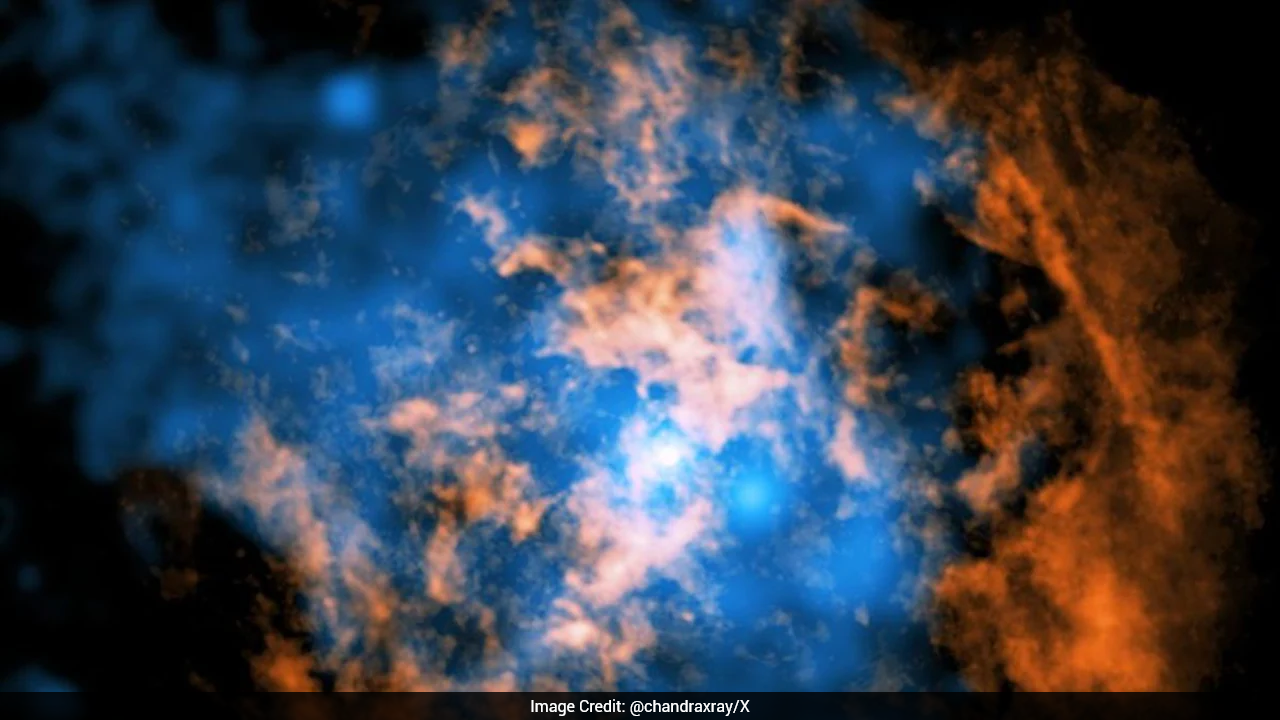
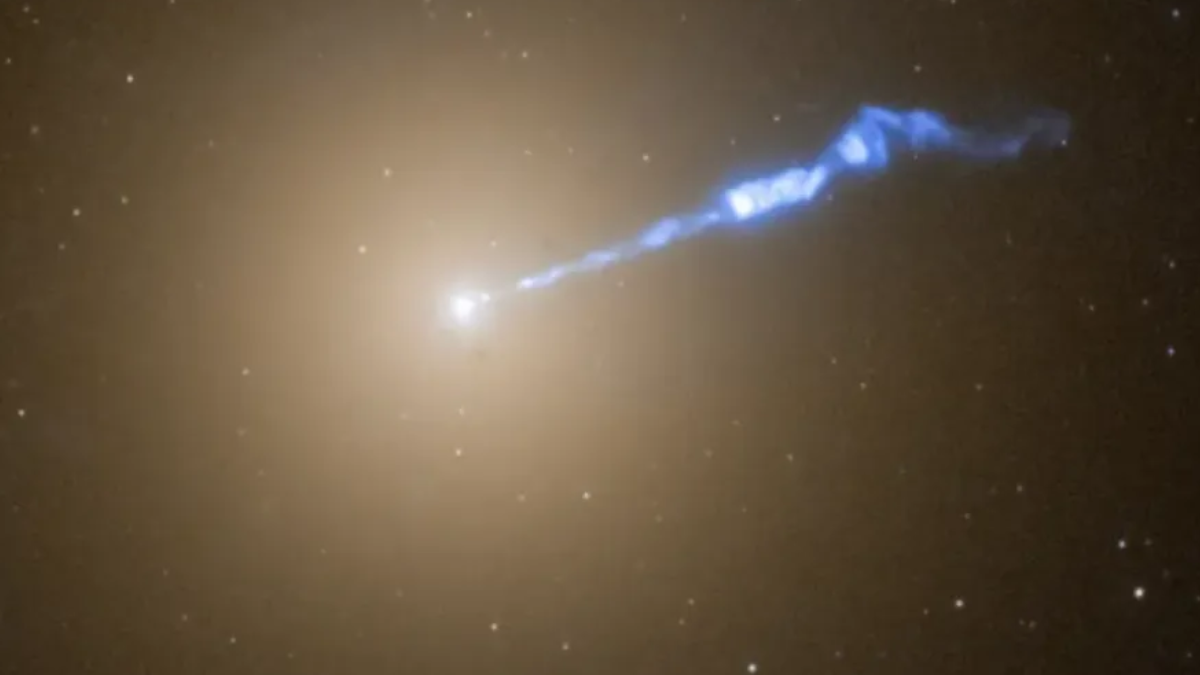
Chandra Captures Sharpest-Ever X-Ray View of M87 Black Hole Jet
Using 13 years of observations, NASA's Chandra X-ray Observatory produced its sharpest-ever view of the jet from M87's supermassive black hole. The data reveal new structures, cooling particles, and magnetic fields that help scientists understand how black holes shape galaxies.
-
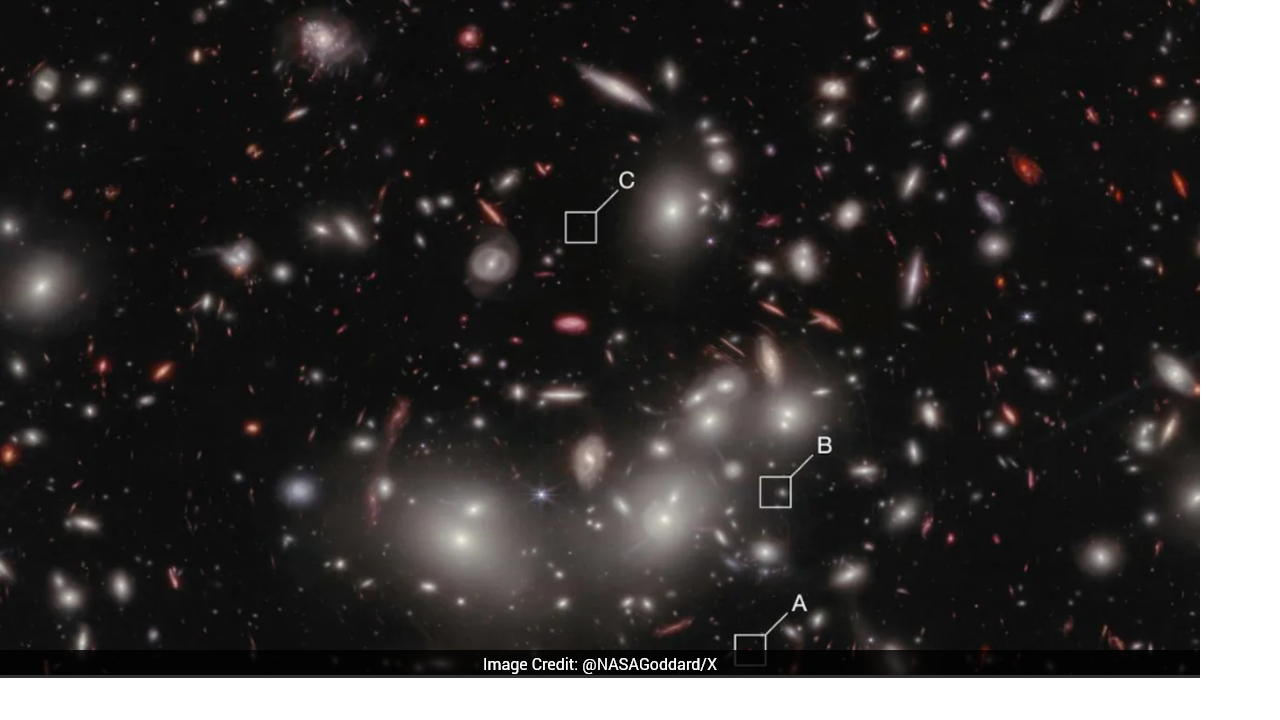
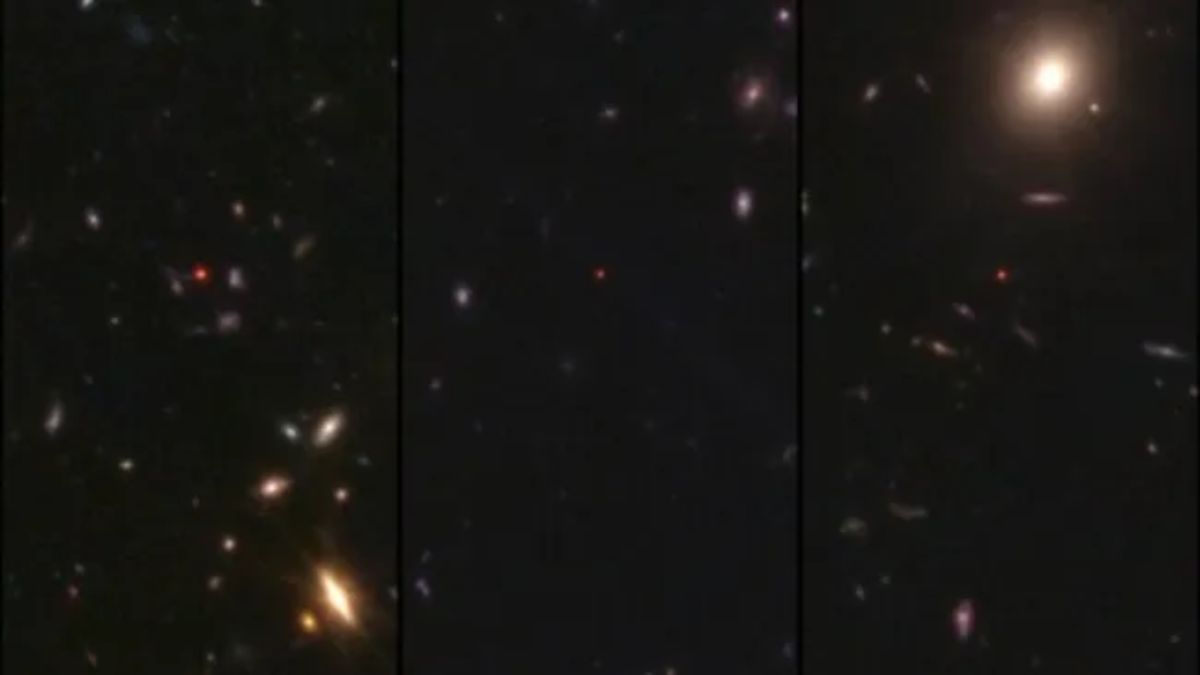
JWST Reveals the True Identity of Mysterious Little Red Dots
Using JWST, astronomers obtained the most detailed spectrum yet of a little red dot and found evidence that these mysterious objects are rapidly growing black holes wrapped in dense gas. The discovery could explain why they appear, shine red, and eventually disappear from the cosmic record.
-
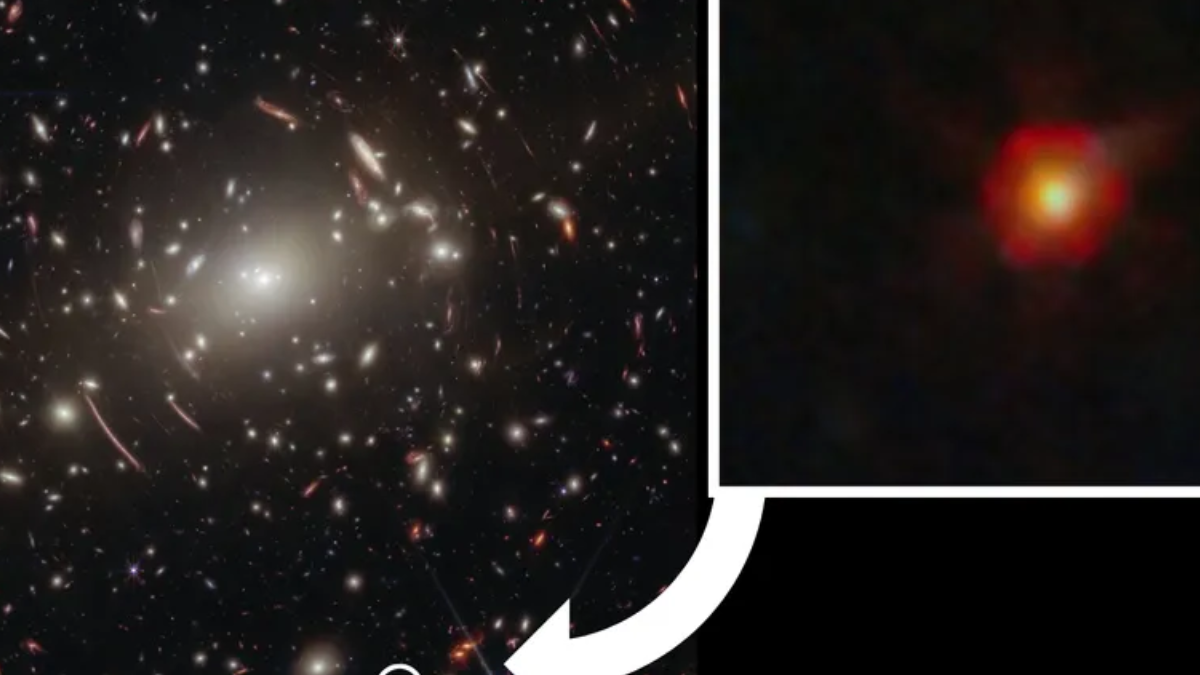
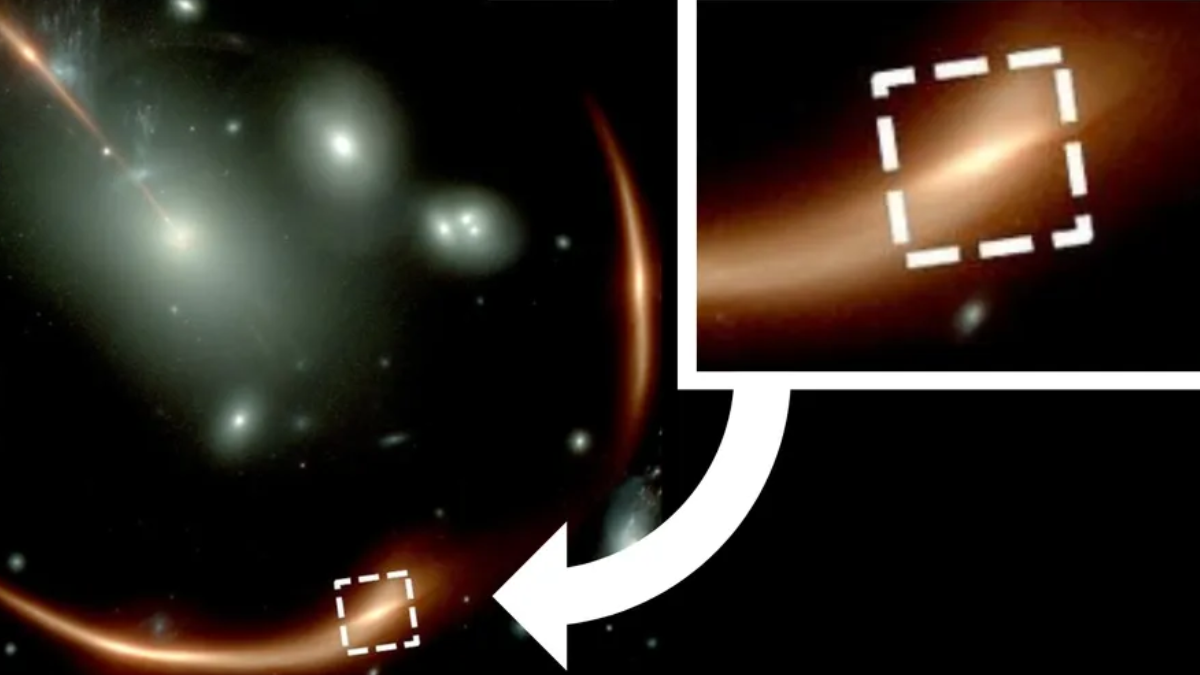
James Webb Space Telescope Weighs Most Distant Dormant Black Hole Ever Detected
Using JWST and a natural gravitational lens, astronomers measured a six-billion-solar-mass dormant black hole more than 10 billion light-years away. The discovery offers a rare glimpse into how galaxies and black holes evolved when the universe was just three billion years old.
-
Scientists Finally Detect Wind Streaming From Milky Way's Central Supermassive Black Hole
Peering into the heart of our own galaxy is incredibly difficult. "To observe our own black hol
-
Scientists Find Long-Sought Cosmic Wind Erupting From Supermassive Black Hole
The discovery is based on observations showing a large cone-shaped cavity near Sgr A.
-
Study Reveals Some Supermassive Black Holes May Have Been Born Big
According to researchers, some of these black holes may have formed without first going through a stellar collapse phase.
-
NASA Captures Supermassive Black Hole "Feasting" On Its Surroundings 60 Million Light-Years Away
NASA revealed that this black hole is about 60 million light-years from Earth and has a mass of two million Suns.
-
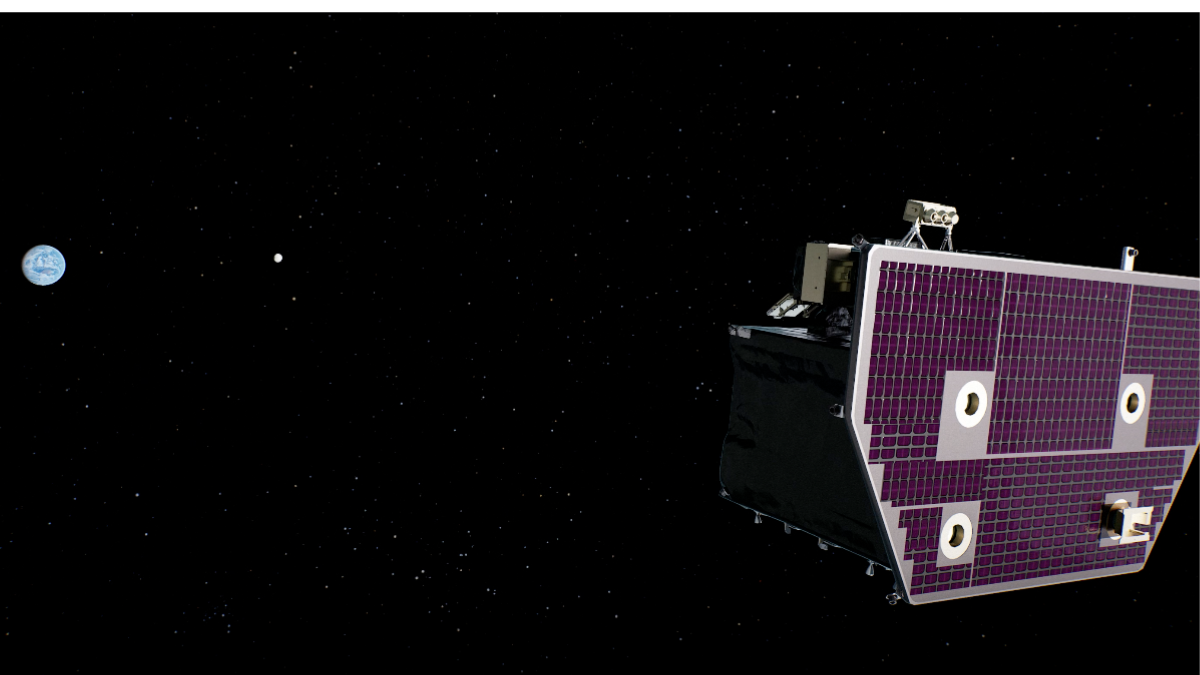
Scientists Discover 77 Rare Red Quasars Hidden Behind Cosmic Dust
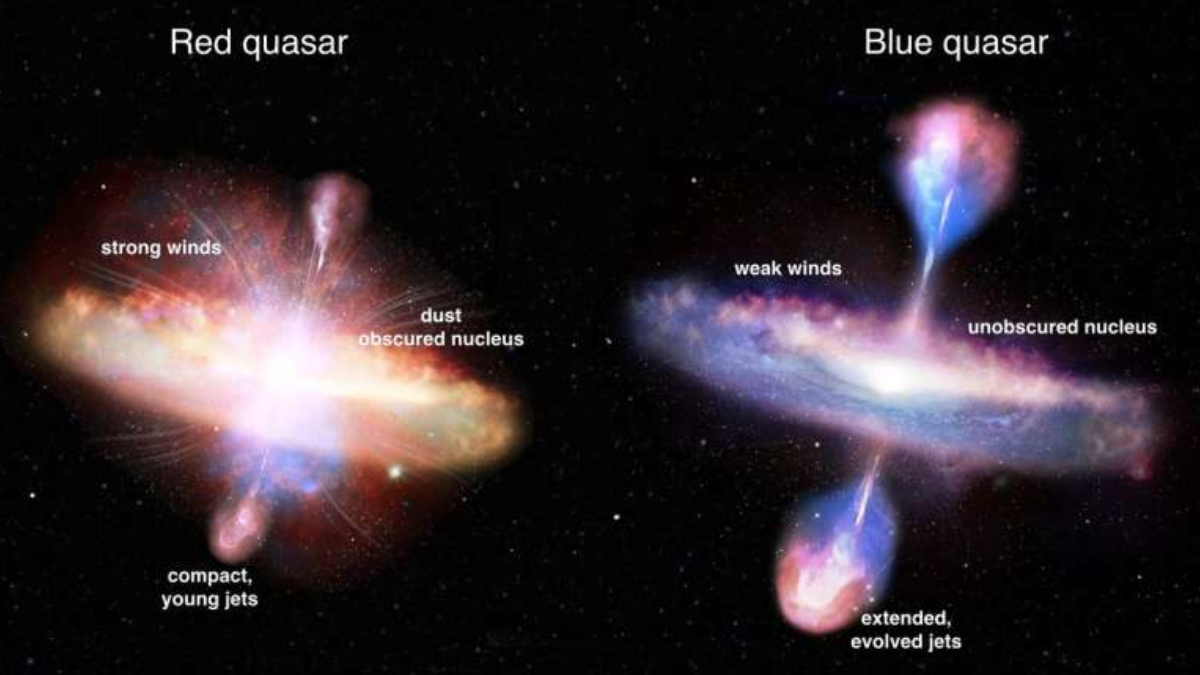
Scientists have discovered 77 rare red quasars hidden behind cosmic dust using NASA’s SPHEREx telescope. The findings support theories linking galaxy mergers to rapid black hole growth and galaxy evolution.
-
Scientists Find Rare X-Ray Source That Could Reveal Truth Behind "Little Red Dots"
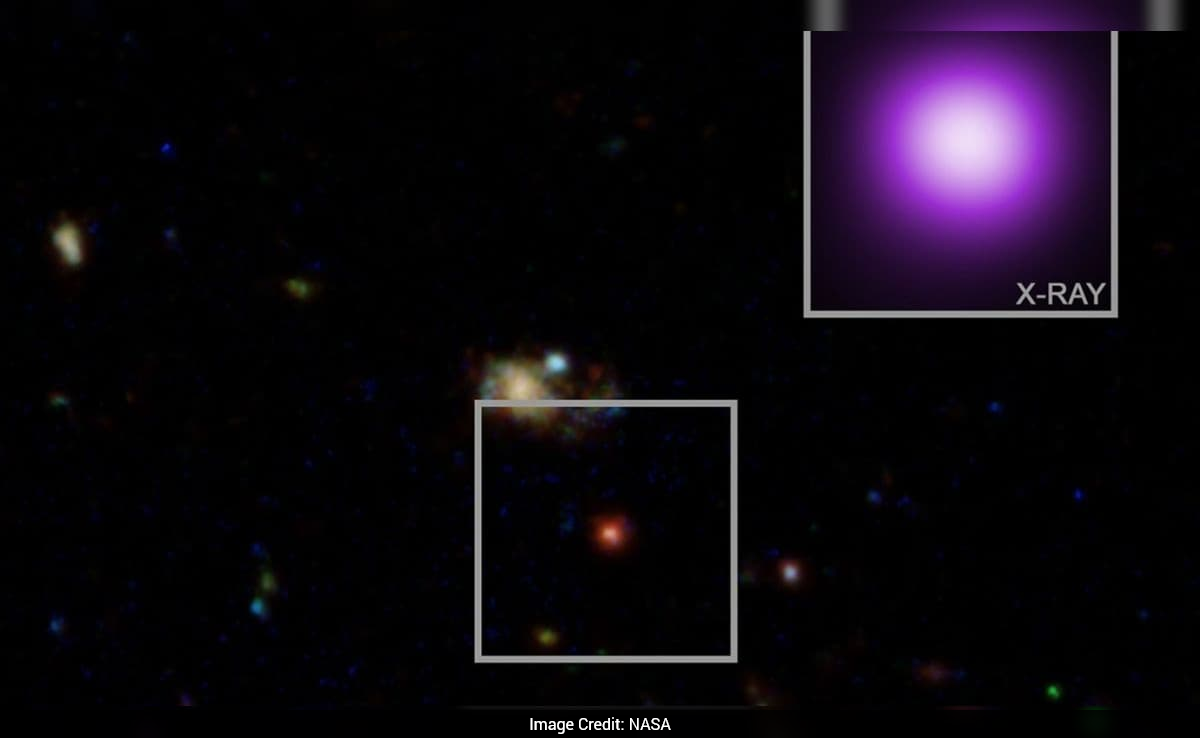
The newly discovered "X-ray dot," officially called 3DHST-AEGIS-12014, is located about 11.8 billion light-years from Earth.
-
Scientists Challenge Black Hole Theory, Say Dark Matter Core May Lie At Centre Of Milky Way
Lead author Valentina Crespi explained that this dense dark matter core could bend light so strongly that it creates a dark region in the centre.
-
Hubble Constant Puzzle Deepens as Supernova and CMB Measurements Clash
Astronomers are testing a new way to measure the universe’s expansion rate using the gravitational-wave background detected by NANOGrav. By treating the cosmic hum from merging supermassive black holes as a statistical “stochastic siren,” researchers hope to calculate the Hubble constant and help resolve the long-standing Hubble tension betwe...
-
Astronomers Solve the Mystery Behind M87’s Enormous Space Jet
Astronomers have directly linked the supermassive black hole M87* to its enormous plasma jet using new Event Horizon Telescope data. The findings reveal where the jet originates near the black hole’s shadow, providing crucial insight into how black holes launch matter at nearly the speed of light.
-
NASA's James Webb Space Telescope Might Have Spotted Hidden Supermassive Black Holes
Mysterious “little red dots” spotted by the James Webb Space Telescope may not be tiny galaxies after all. A new study suggests they are supermassive black holes wrapped in dense gas and dust, perfectly disguised in the early universe and shining intensely in infrared light.
-
NASA's James Webb Telescope Maps How Supermassive Black Holes Gain Mass
NASA's James Webb Space Telescope observed gas swirling near the supermassive black hole in galaxy NGC 4696, revealing details of black hole feeding.
-
NASA's Webb Telescope Captures Rare Views Of Galaxy Shaped By Cosmic Collision
Earlier visible-light observations by NASA's Hubble Space Telescope could not show the galaxy's central region because dust blocked the view.
-
Chandra Captures Sharpest-Ever X-Ray View of M87 Black Hole Jet
Using 13 years of observations, NASA's Chandra X-ray Observatory produced its sharpest-ever view of the jet from M87's supermassive black hole. The data reveal new structures, cooling particles, and magnetic fields that help scientists understand how black holes shape galaxies.
-
JWST Reveals the True Identity of Mysterious Little Red Dots
Using JWST, astronomers obtained the most detailed spectrum yet of a little red dot and found evidence that these mysterious objects are rapidly growing black holes wrapped in dense gas. The discovery could explain why they appear, shine red, and eventually disappear from the cosmic record.
-
James Webb Space Telescope Weighs Most Distant Dormant Black Hole Ever Detected
Using JWST and a natural gravitational lens, astronomers measured a six-billion-solar-mass dormant black hole more than 10 billion light-years away. The discovery offers a rare glimpse into how galaxies and black holes evolved when the universe was just three billion years old.
-
Scientists Finally Detect Wind Streaming From Milky Way's Central Supermassive Black Hole
Peering into the heart of our own galaxy is incredibly difficult. "To observe our own black hol
-
Scientists Find Long-Sought Cosmic Wind Erupting From Supermassive Black Hole
The discovery is based on observations showing a large cone-shaped cavity near Sgr A.
-
Study Reveals Some Supermassive Black Holes May Have Been Born Big
According to researchers, some of these black holes may have formed without first going through a stellar collapse phase.
-
NASA Captures Supermassive Black Hole "Feasting" On Its Surroundings 60 Million Light-Years Away
NASA revealed that this black hole is about 60 million light-years from Earth and has a mass of two million Suns.
-
Scientists Discover 77 Rare Red Quasars Hidden Behind Cosmic Dust
Scientists have discovered 77 rare red quasars hidden behind cosmic dust using NASA’s SPHEREx telescope. The findings support theories linking galaxy mergers to rapid black hole growth and galaxy evolution.
-
Scientists Find Rare X-Ray Source That Could Reveal Truth Behind "Little Red Dots"
The newly discovered "X-ray dot," officially called 3DHST-AEGIS-12014, is located about 11.8 billion light-years from Earth.
-
Scientists Challenge Black Hole Theory, Say Dark Matter Core May Lie At Centre Of Milky Way
Lead author Valentina Crespi explained that this dense dark matter core could bend light so strongly that it creates a dark region in the centre.
-
Hubble Constant Puzzle Deepens as Supernova and CMB Measurements Clash
Astronomers are testing a new way to measure the universe’s expansion rate using the gravitational-wave background detected by NANOGrav. By treating the cosmic hum from merging supermassive black holes as a statistical “stochastic siren,” researchers hope to calculate the Hubble constant and help resolve the long-standing Hubble tension betwe...
-
Astronomers Solve the Mystery Behind M87’s Enormous Space Jet
Astronomers have directly linked the supermassive black hole M87* to its enormous plasma jet using new Event Horizon Telescope data. The findings reveal where the jet originates near the black hole’s shadow, providing crucial insight into how black holes launch matter at nearly the speed of light.
-
NASA's James Webb Space Telescope Might Have Spotted Hidden Supermassive Black Holes
Mysterious “little red dots” spotted by the James Webb Space Telescope may not be tiny galaxies after all. A new study suggests they are supermassive black holes wrapped in dense gas and dust, perfectly disguised in the early universe and shining intensely in infrared light.

