



Sun Orbiter
-
{
- All
- News
-

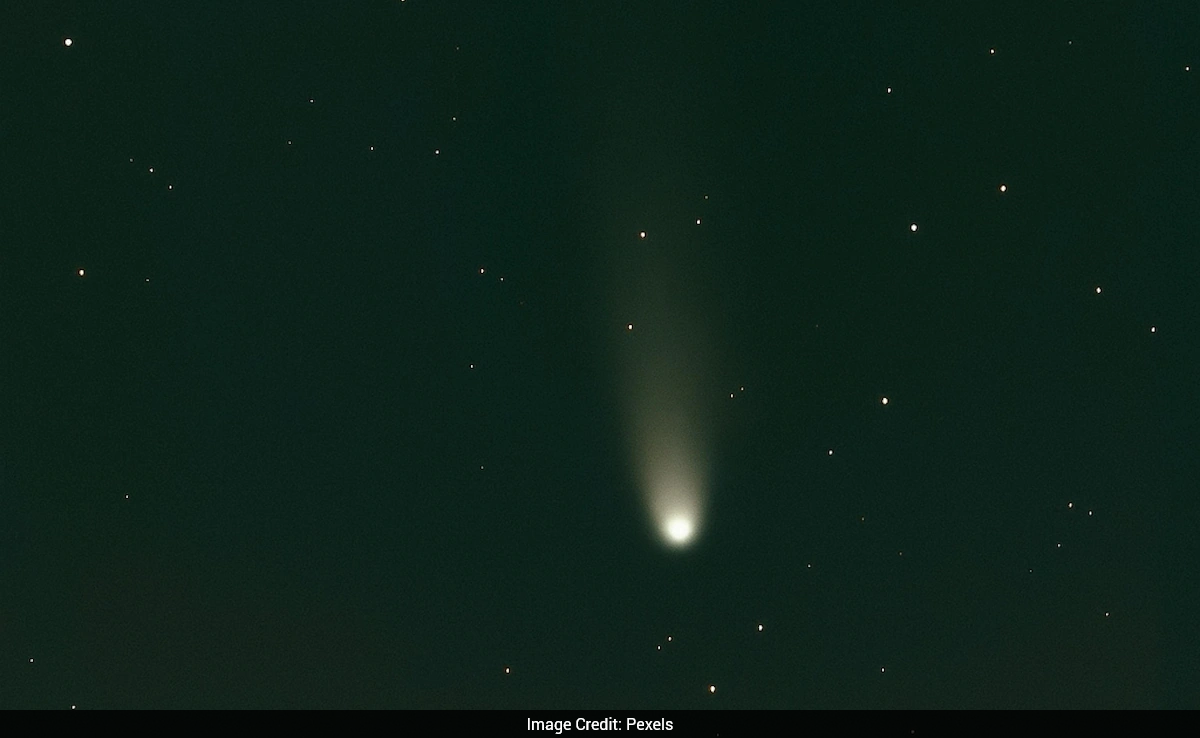
Rare Interstellar Comet To Shine In Skies After 170,000 Years: Here's How To Watch
The comet is currently in the constellation Pegasus and passing near the Great Square of Pegasus.
-
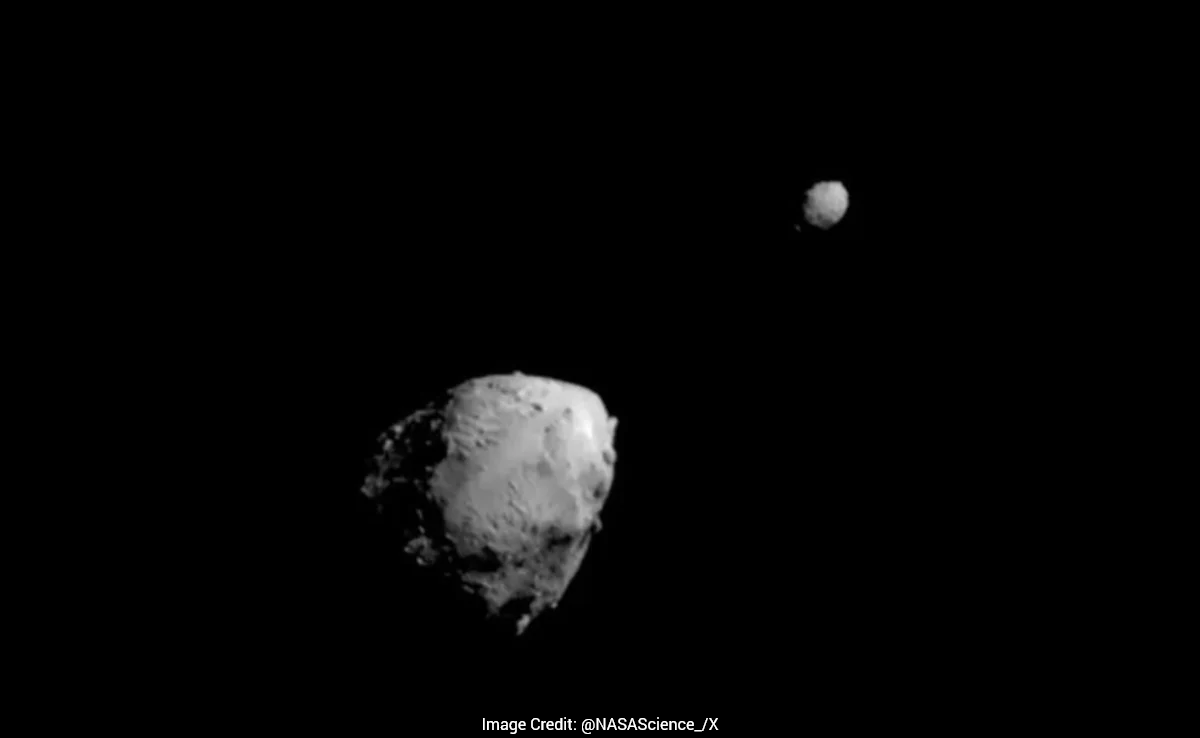
Study Reveals NASA Spacecraft Crash Altered Path Of Asteroid Pair Around The Sun
In September 2022, as part of the Double Asteroid Redirection Test (DART) mission, a spacecraft collided with the small satellite of the asteroid Dimorphos.
-
Viral Claims Link Lunar Eclipse To Conflict - Here's What Science Says
According to NASA, solar and lunar eclipses can be calculated centuries in advance using precise celestial mechanics. There is no known physical mechanism by which these alignments could influence political decisions or military conflict.
-
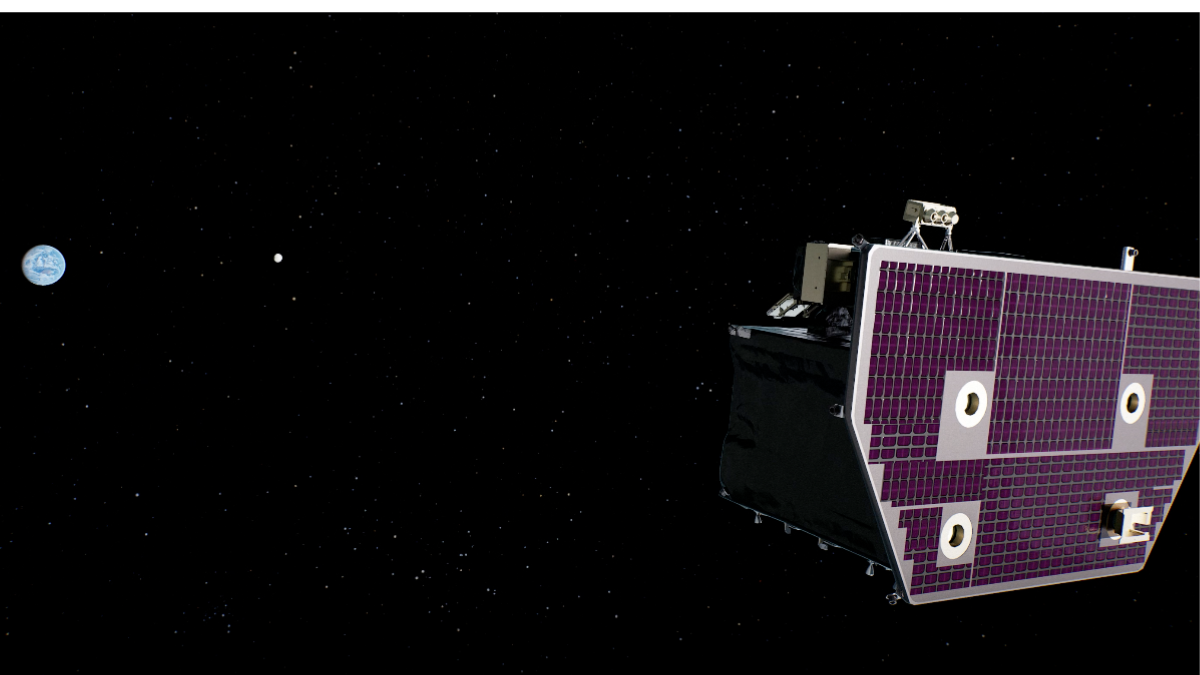
NASA’s Carruthers Observatory Begins Mission to Study Earth’s Hydrogen Halo
NASA’s Carruthers Observatory has begun its two-year science mission to study Earth’s hydrogen-rich exosphere from a halo orbit at Sun–Earth L1. Equipped with ultraviolet cameras, the small satellite will continuously image the faint geocorona, tracking how solar storms and fast solar wind streams cause the upper atmosphere to expand, contrac...
-
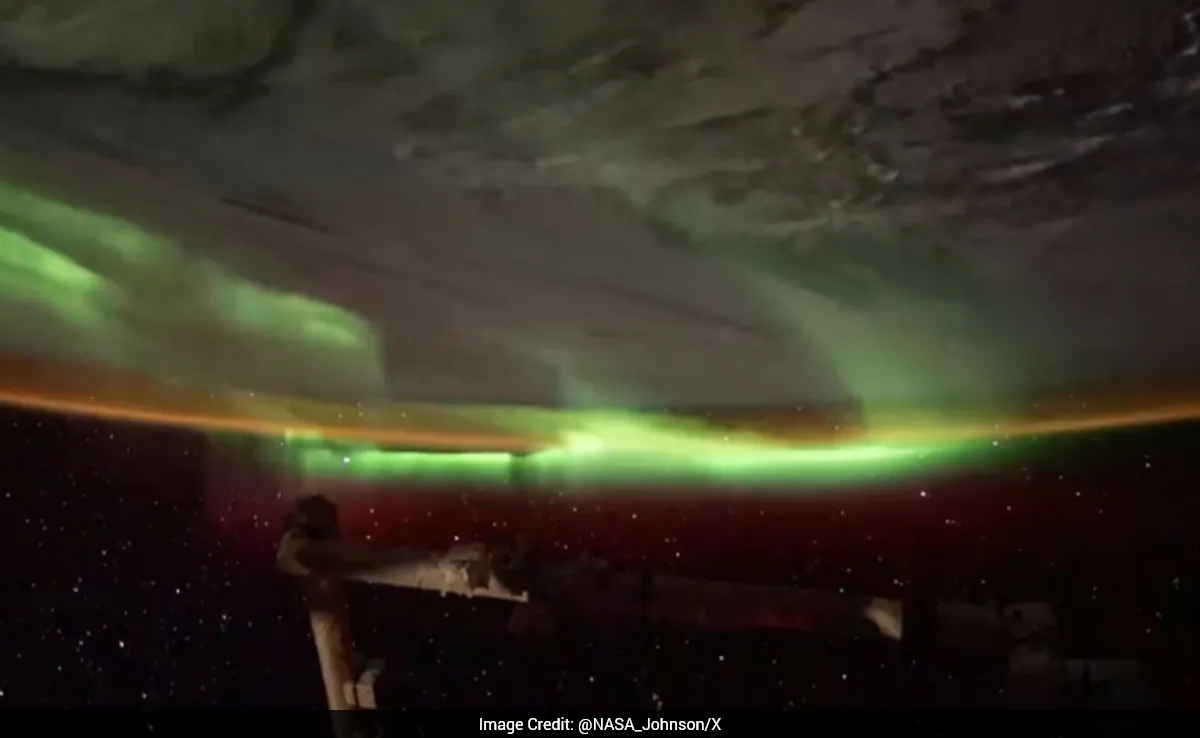
NASA Shares Photo Of Dazzling Green Auroras Captured From Space Station
According to NASA, auroras are produced when charged particles from the Sun collide with Earth's magnetic field and atmosphere.
-
Astronomers Discover "Inside-Out" Planetary System With Rocky World Beyond Gas Planets, Challenging Formation Theories
Since the 1990s, scientists have discovered approximately 6,100 planets outside our solar system, called exoplanets.
-
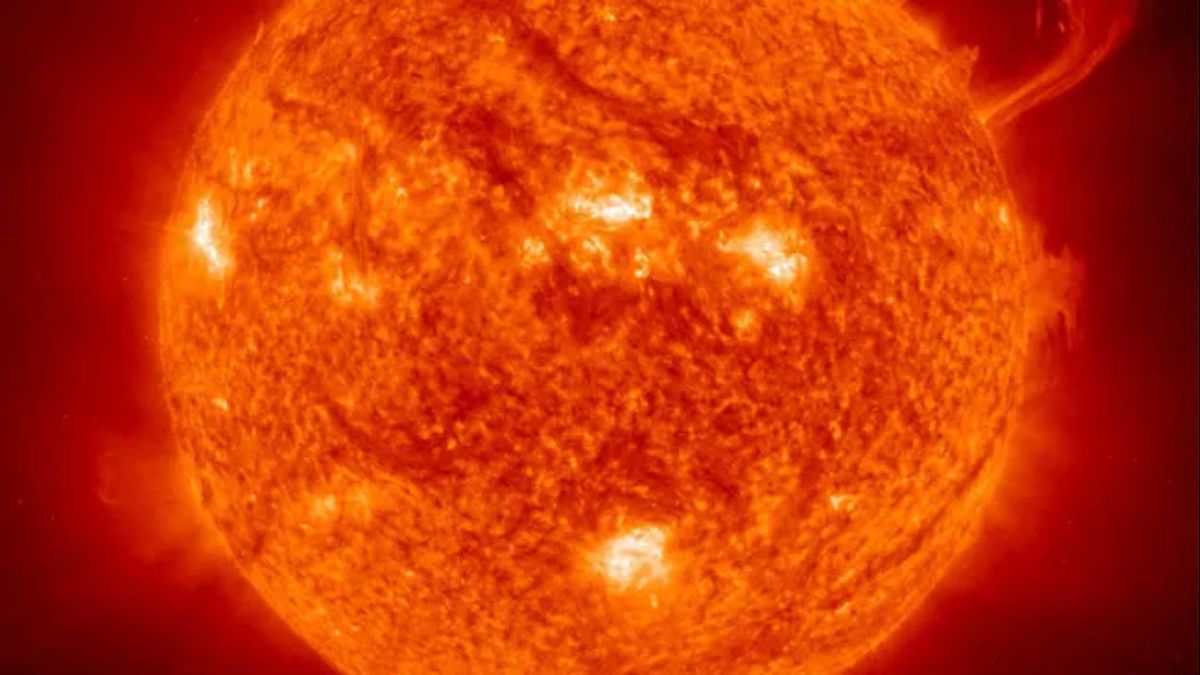
ESA’s Solar Orbiter Reveals How Magnetic Avalanches Trigger Solar Flares
New observations from ESA’s Solar Orbiter show that solar flares can be triggered by cascading magnetic disturbances. During a close solar pass, the spacecraft captured fine details of twisted magnetic fields repeatedly breaking and reconnecting, creating a magnetic “avalanche” that amplified a small instability into a powerful flare. The fin...
-
Solar Orbiter Watches Sun's Most Hyperactive Region For Record 94 Days: "Milestone In Solar Physics"
The region was monitored from its birth on the far side of the Sun on April 16, 2024, until its decay after July 18, 2024.
-
Earth To Make Its Closest Approach To The Sun This Week: Will It Affect The Seasons?
Perihelion is when a planet or celestial body reaches its closest point to the Sun in its orbit.
-
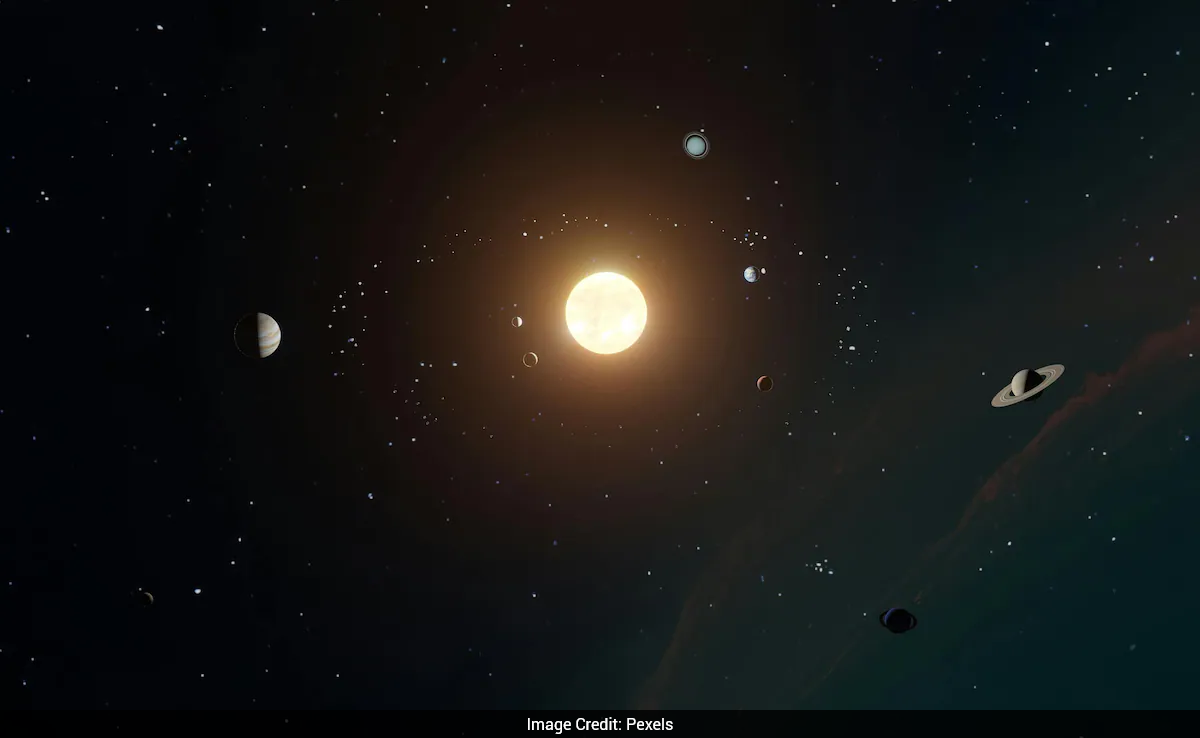
The Most Exciting Exoplanet Discoveries of 2025: Know the Strange Worlds Scientists Have Found
Astronomers marked a milestone year as confirmed exoplanets surpassed 6,000 in 2025. Discoveries ranged from planets orbiting two suns to worlds losing their atmospheres or forming in real time. The findings reshaped ideas about how planets form, survive, and evolve across the Milky Way.

-
Rare Interstellar Comet To Shine In Skies After 170,000 Years: Here's How To Watch
The comet is currently in the constellation Pegasus and passing near the Great Square of Pegasus.
-
Study Reveals NASA Spacecraft Crash Altered Path Of Asteroid Pair Around The Sun
In September 2022, as part of the Double Asteroid Redirection Test (DART) mission, a spacecraft collided with the small satellite of the asteroid Dimorphos.
-
Viral Claims Link Lunar Eclipse To Conflict - Here's What Science Says
According to NASA, solar and lunar eclipses can be calculated centuries in advance using precise celestial mechanics. There is no known physical mechanism by which these alignments could influence political decisions or military conflict.
-
NASA’s Carruthers Observatory Begins Mission to Study Earth’s Hydrogen Halo
NASA’s Carruthers Observatory has begun its two-year science mission to study Earth’s hydrogen-rich exosphere from a halo orbit at Sun–Earth L1. Equipped with ultraviolet cameras, the small satellite will continuously image the faint geocorona, tracking how solar storms and fast solar wind streams cause the upper atmosphere to expand, contrac...
-
NASA Shares Photo Of Dazzling Green Auroras Captured From Space Station
According to NASA, auroras are produced when charged particles from the Sun collide with Earth's magnetic field and atmosphere.
-
Astronomers Discover "Inside-Out" Planetary System With Rocky World Beyond Gas Planets, Challenging Formation Theories
Since the 1990s, scientists have discovered approximately 6,100 planets outside our solar system, called exoplanets.
-
ESA’s Solar Orbiter Reveals How Magnetic Avalanches Trigger Solar Flares
New observations from ESA’s Solar Orbiter show that solar flares can be triggered by cascading magnetic disturbances. During a close solar pass, the spacecraft captured fine details of twisted magnetic fields repeatedly breaking and reconnecting, creating a magnetic “avalanche” that amplified a small instability into a powerful flare. The fin...
-
Solar Orbiter Watches Sun's Most Hyperactive Region For Record 94 Days: "Milestone In Solar Physics"
The region was monitored from its birth on the far side of the Sun on April 16, 2024, until its decay after July 18, 2024.
-
Earth To Make Its Closest Approach To The Sun This Week: Will It Affect The Seasons?
Perihelion is when a planet or celestial body reaches its closest point to the Sun in its orbit.
-
The Most Exciting Exoplanet Discoveries of 2025: Know the Strange Worlds Scientists Have Found
Astronomers marked a milestone year as confirmed exoplanets surpassed 6,000 in 2025. Discoveries ranged from planets orbiting two suns to worlds losing their atmospheres or forming in real time. The findings reshaped ideas about how planets form, survive, and evolve across the Milky Way.

