



Red Dwarf Star
-
{
- All
- News
-

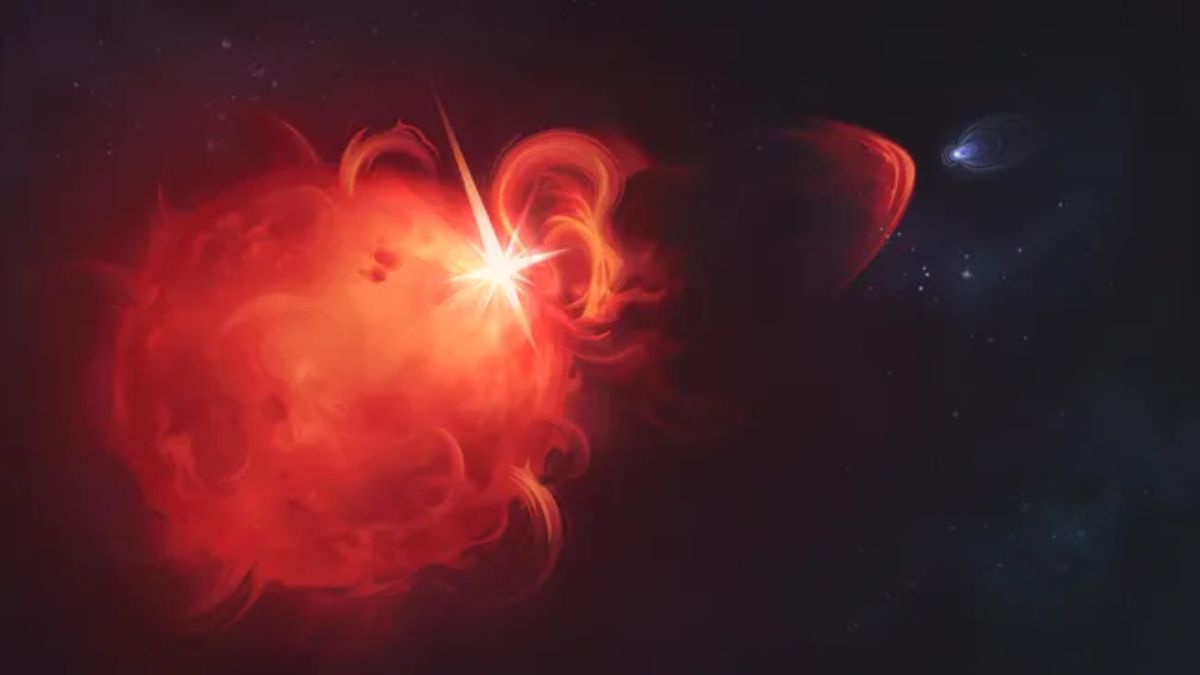
Astronomers Spot First Coronal Mass Ejection from a Distant Star, Raising Questions About Planetary Habitability
Astronomers detected the first coronal mass ejection from a distant star, revealing that powerful stellar eruptions may strip atmospheres from nearby planets, affecting exoplanet habitability and the search for life.
-
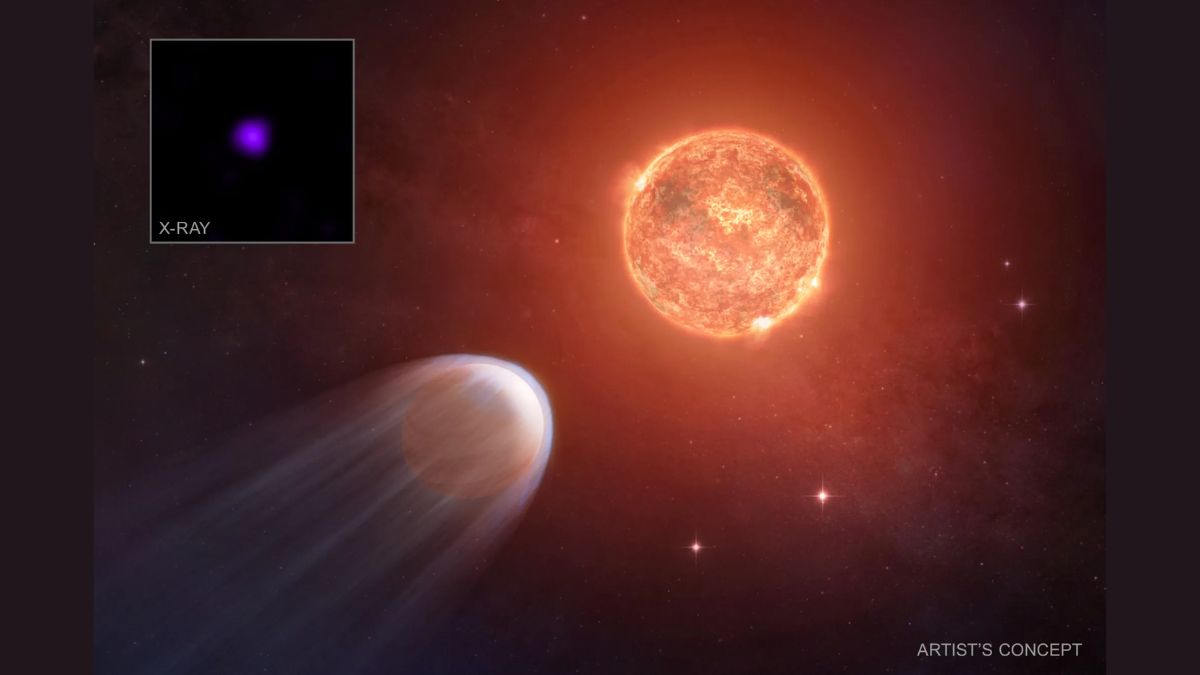
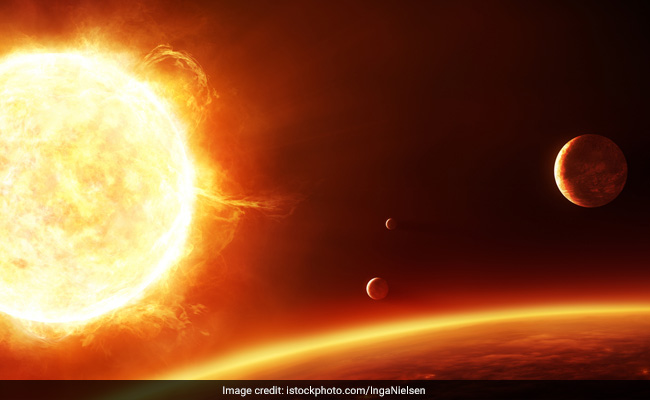
Young Exoplanet Spotted Shedding Atmosphere Under Stellar Radiation
NASA’s Chandra X-ray Observatory and Hubble Space Telescope have captured a dramatic cosmic event: a baby exoplanet, TOI 1227 b, is being stripped of its atmosphere by powerful X-rays from its host star. Only 8 million years old and orbiting a red dwarf, this Jupiter-sized planet is losing gas at a rate equal to Earth’s entire atmosphere every ...
-
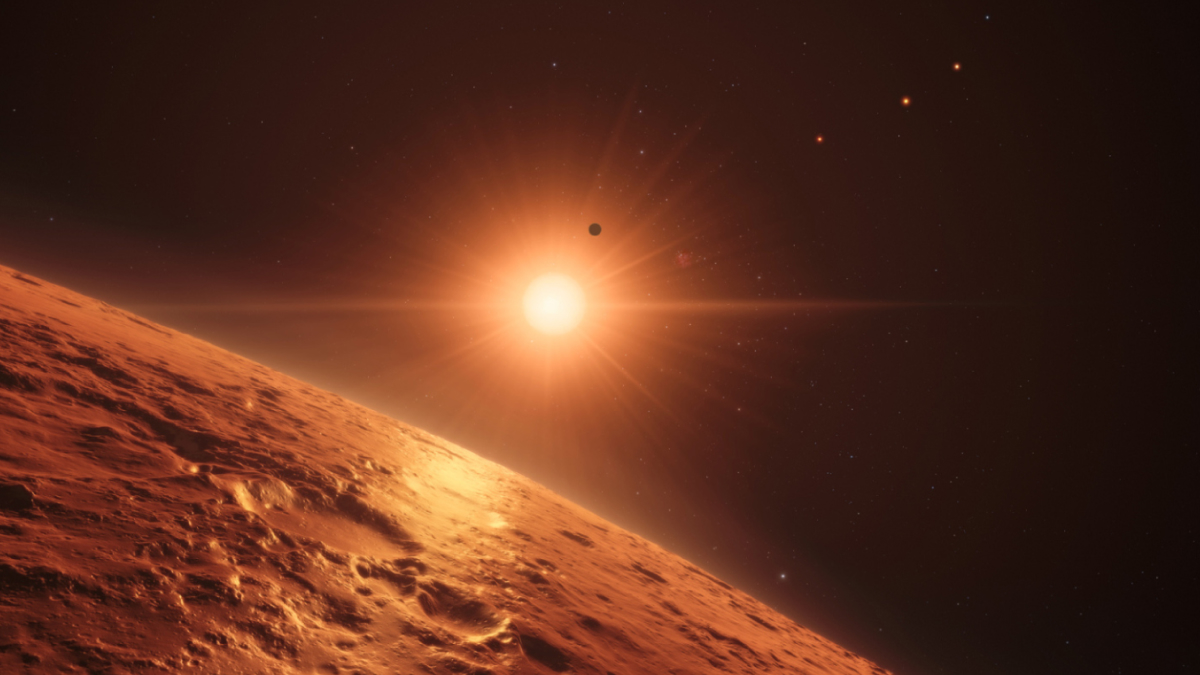
TRAPPIST-1b Could Have Carbon Dioxide-Rich Atmosphere, Study Reveals
A new study published in Nature Astronomy proposes that TRAPPIST-1b, the innermost planet in the TRAPPIST-1 system, might have a carbon dioxide-rich atmosphere. This discovery comes from new data showing a reflective haze in the planet's upper atmosphere. Scientists are also investigating the possibility of volcanic activity based on the planet’s...
-
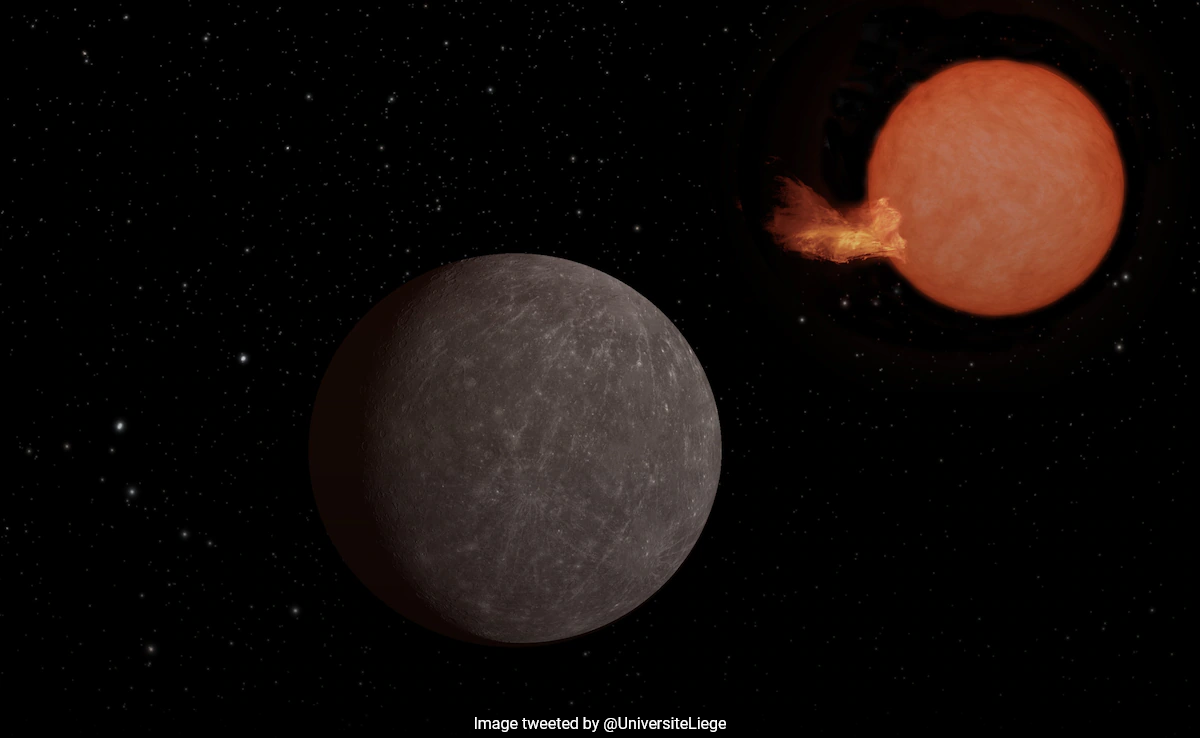
Astronomers Discover New Earth-Sized Planet Orbiting Jupiter-Sized Red Dwarf Star
This new extrasolar planet, or exoplanet, is named Speculoos-3b and is located relatively close to the Earth, just 55 light-years away.
-
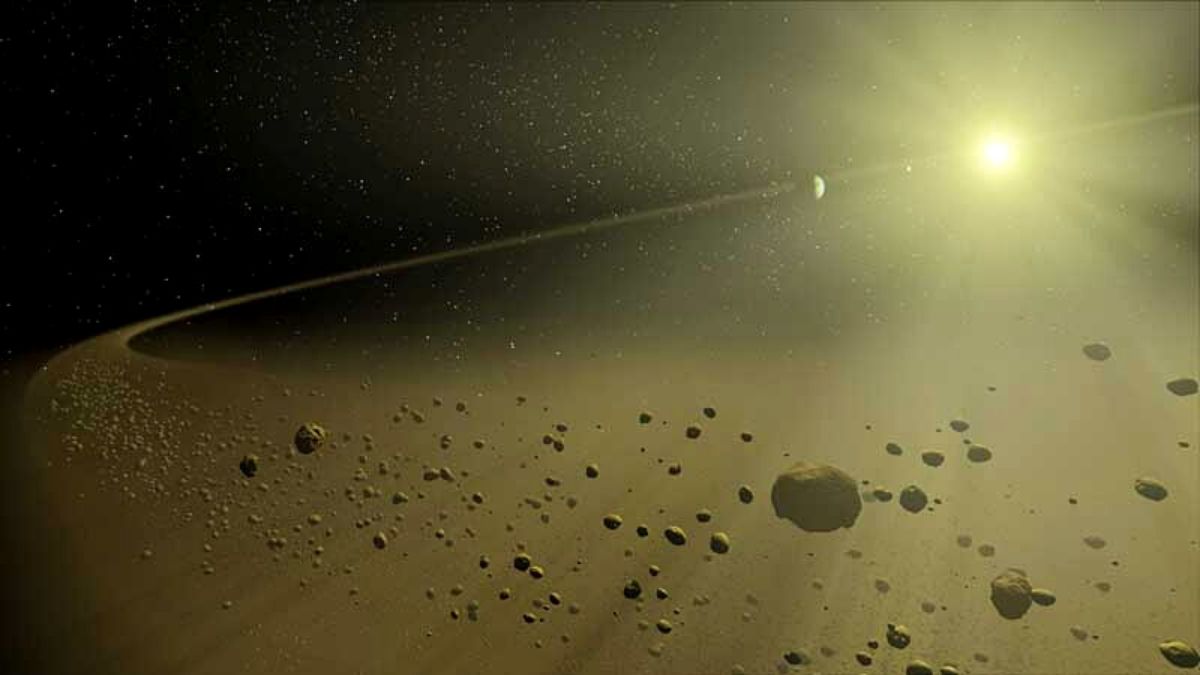
Scientists Discover a New Planet Hidden in a Debris Disk of a Young Star
Astronomers have a found a new exoplanet hiding in the debris disk of a star. Dubbed as AU Mic b, the exoplanet was found after decades of search, around the red dwarf star, AU Microscopii that is roughly 32 light-years away.
-
Ultraviolet Light May Be Key To Finding Alien Life: Study
Ultraviolet light may have played a critical role in the emergence of life on Earth and could be a key to finding life elsewhere in the universe, a study led by an Indian-origin scientist at Harvard suggests.
-
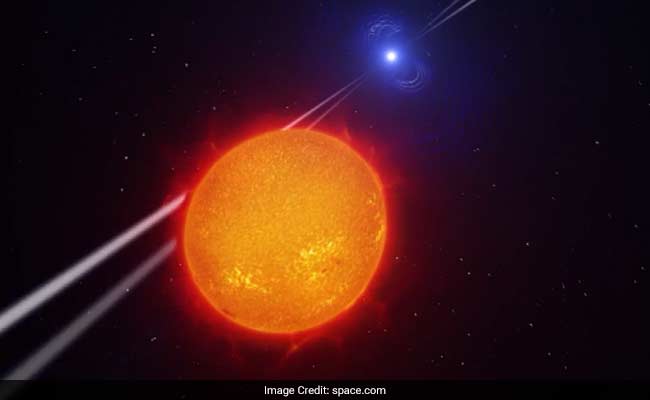
Star Fight Between White Dwarf And Red Dwarf In Space
Astronomers have discovered a new type of exotic binary star system, in which a rapidly spinning white dwarf star is lashing the companion red dwarf star with high-energy particles, causing the entire system to pulse dramatically every 1.97 minutes with radiation ranging from the ultraviolet to radio.
-
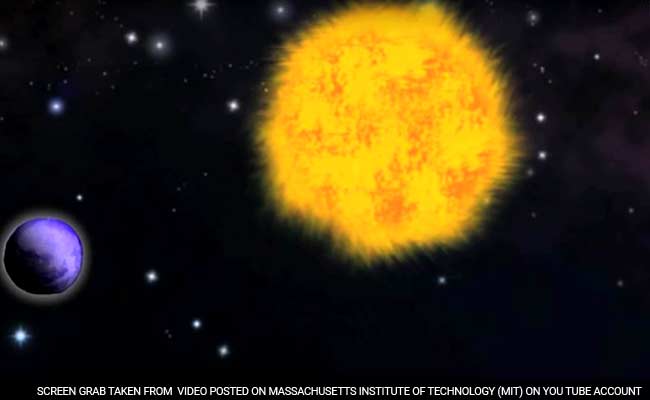
Venus-Like Planet Found 39 Light Years Away
Astronomers have discovered a new Venus-like rocky exoplanet 39 light years away, which may be cool enough to potentially host an atmosphere.
-
There's a New Earth-Size Planet in the Neighborhood (Galactically Speaking)
The yeoman work of NASA's Kepler Space Telescope has revealed our Milky Way galaxy to be lousy with planets - surely tens of billions of them, if you extrapolate from what Kepler has detected so far in a small patch of the sky.
-
Astronomers Spot First Coronal Mass Ejection from a Distant Star, Raising Questions About Planetary Habitability
Astronomers detected the first coronal mass ejection from a distant star, revealing that powerful stellar eruptions may strip atmospheres from nearby planets, affecting exoplanet habitability and the search for life.
-
Young Exoplanet Spotted Shedding Atmosphere Under Stellar Radiation
NASA’s Chandra X-ray Observatory and Hubble Space Telescope have captured a dramatic cosmic event: a baby exoplanet, TOI 1227 b, is being stripped of its atmosphere by powerful X-rays from its host star. Only 8 million years old and orbiting a red dwarf, this Jupiter-sized planet is losing gas at a rate equal to Earth’s entire atmosphere every ...
-
TRAPPIST-1b Could Have Carbon Dioxide-Rich Atmosphere, Study Reveals
A new study published in Nature Astronomy proposes that TRAPPIST-1b, the innermost planet in the TRAPPIST-1 system, might have a carbon dioxide-rich atmosphere. This discovery comes from new data showing a reflective haze in the planet's upper atmosphere. Scientists are also investigating the possibility of volcanic activity based on the planet’s...
-
Astronomers Discover New Earth-Sized Planet Orbiting Jupiter-Sized Red Dwarf Star
This new extrasolar planet, or exoplanet, is named Speculoos-3b and is located relatively close to the Earth, just 55 light-years away.
-
Scientists Discover a New Planet Hidden in a Debris Disk of a Young Star
Astronomers have a found a new exoplanet hiding in the debris disk of a star. Dubbed as AU Mic b, the exoplanet was found after decades of search, around the red dwarf star, AU Microscopii that is roughly 32 light-years away.
-
Ultraviolet Light May Be Key To Finding Alien Life: Study
Ultraviolet light may have played a critical role in the emergence of life on Earth and could be a key to finding life elsewhere in the universe, a study led by an Indian-origin scientist at Harvard suggests.
-
Star Fight Between White Dwarf And Red Dwarf In Space
Astronomers have discovered a new type of exotic binary star system, in which a rapidly spinning white dwarf star is lashing the companion red dwarf star with high-energy particles, causing the entire system to pulse dramatically every 1.97 minutes with radiation ranging from the ultraviolet to radio.
-
Venus-Like Planet Found 39 Light Years Away
Astronomers have discovered a new Venus-like rocky exoplanet 39 light years away, which may be cool enough to potentially host an atmosphere.
-
There's a New Earth-Size Planet in the Neighborhood (Galactically Speaking)
The yeoman work of NASA's Kepler Space Telescope has revealed our Milky Way galaxy to be lousy with planets - surely tens of billions of them, if you extrapolate from what Kepler has detected so far in a small patch of the sky.

