



Nasa Tess
-
{
- All
- News
-

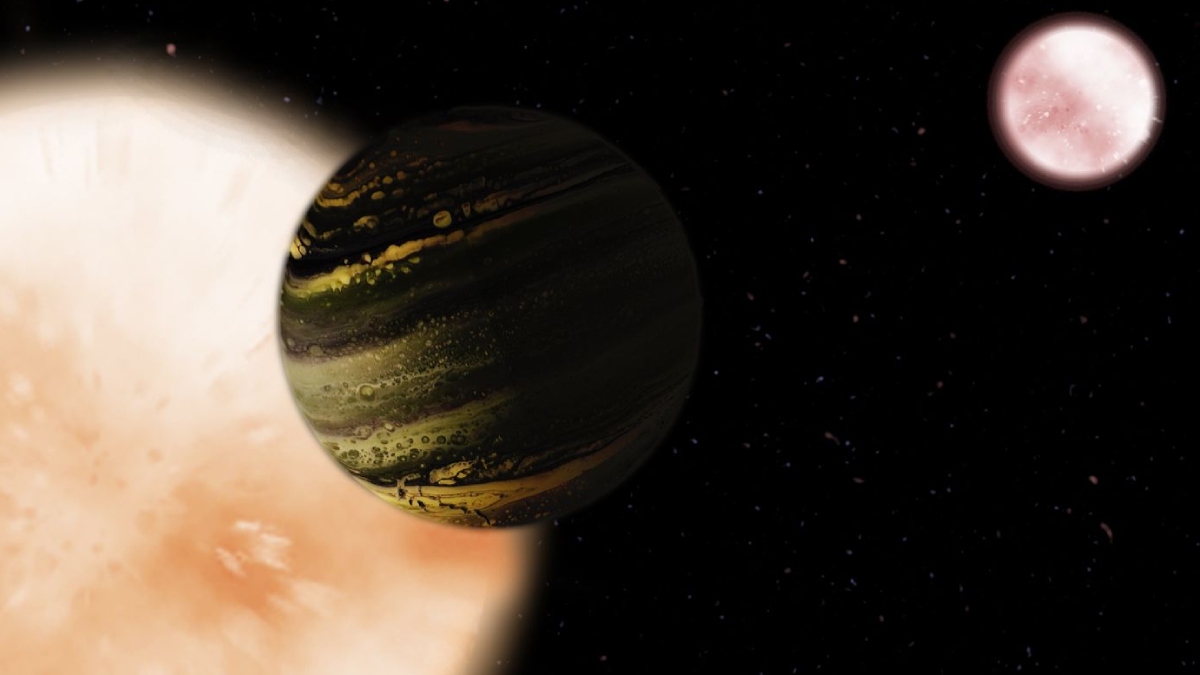
NASA's Satellite Finds Rare Super-Jupiter Orbiting Far from Its Host Star
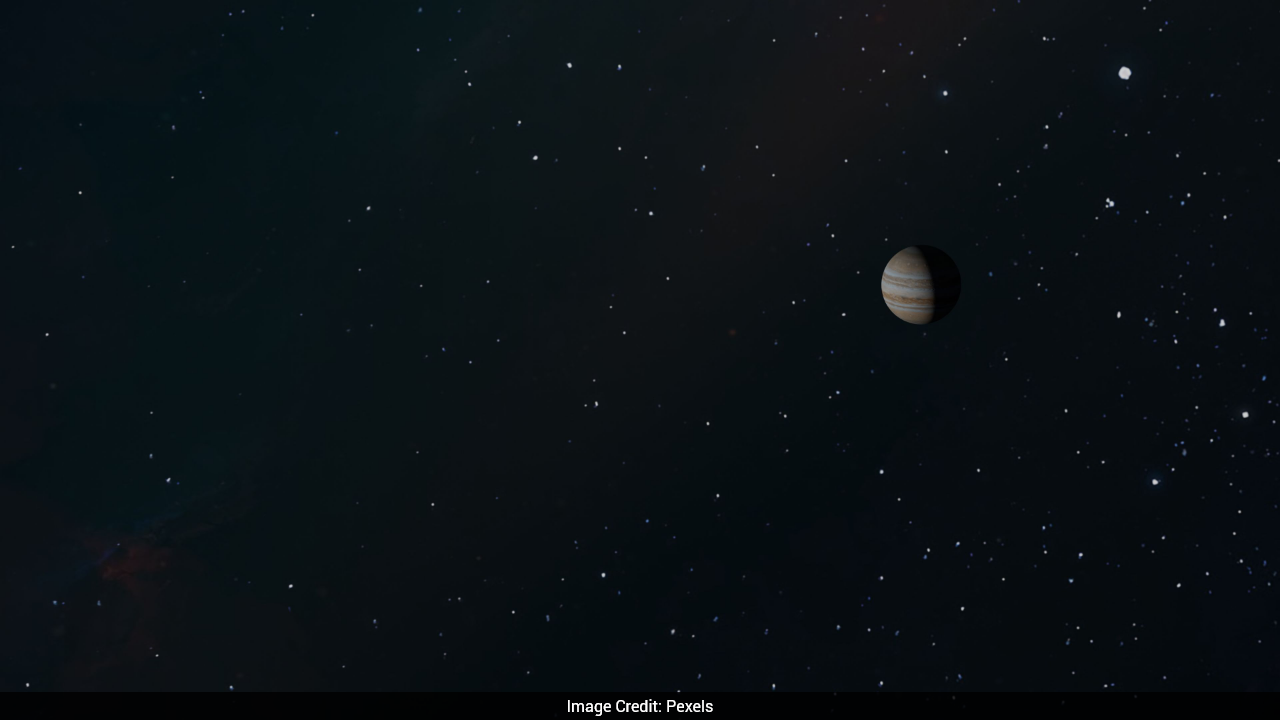
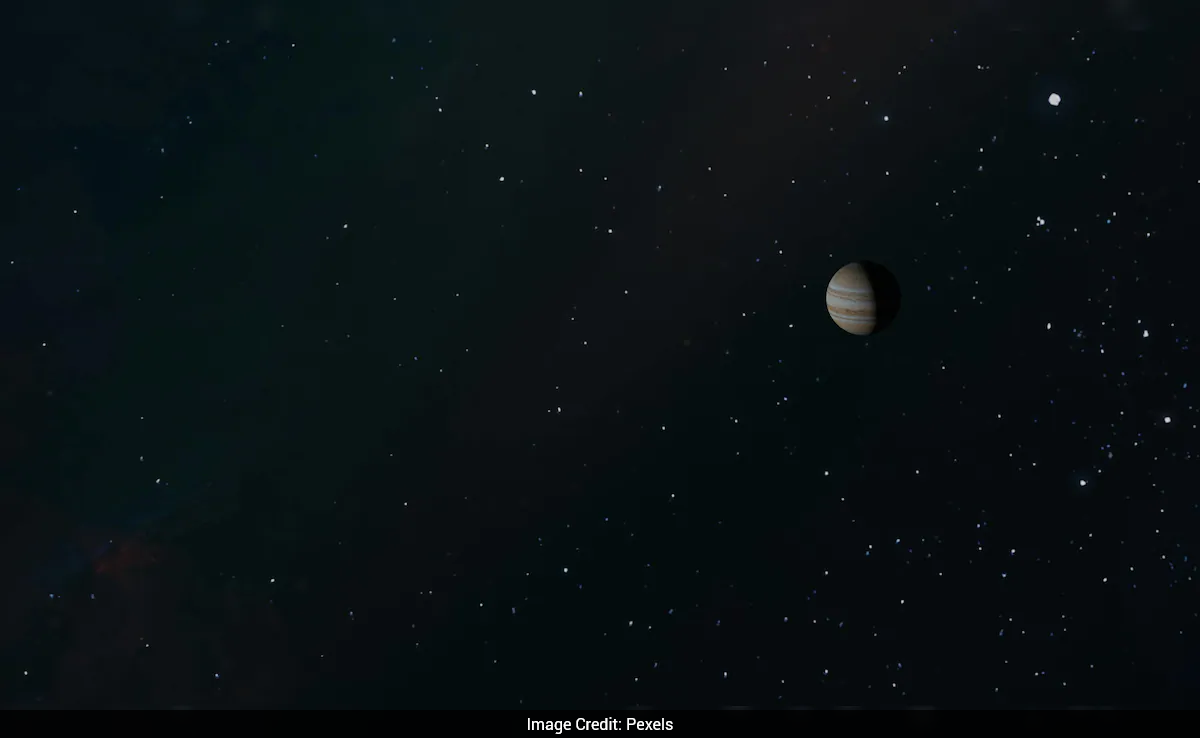
The mission identified a planet orbiting a distant star using ripples in space-time, instead of its usual planet-hunting method.
-
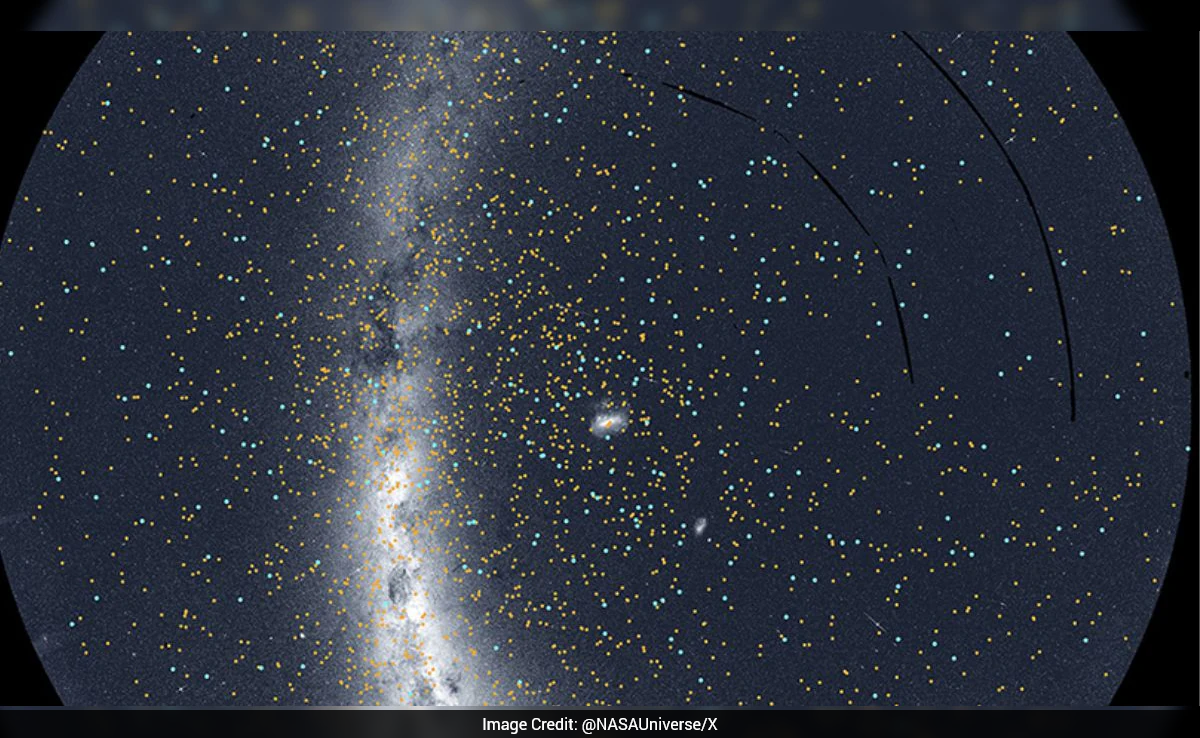
NASA Shares Detailed Space Map Highlighting Nearly 6,000 Exoplanets
NASA said the TESS mission studies large sections of the sky, known as sectors, for about a month at a time using four onboard cameras.
-
Astronomers Discover 27 Potential "Tatooine-Like" Planets Orbiting Two Stars
The potential planets were detected using data from NASA's Transiting Exoplanet Survey Satellite.
-
NASA’s TESS Captures First Images of Rare Interstellar Comet 3I/ATLAS
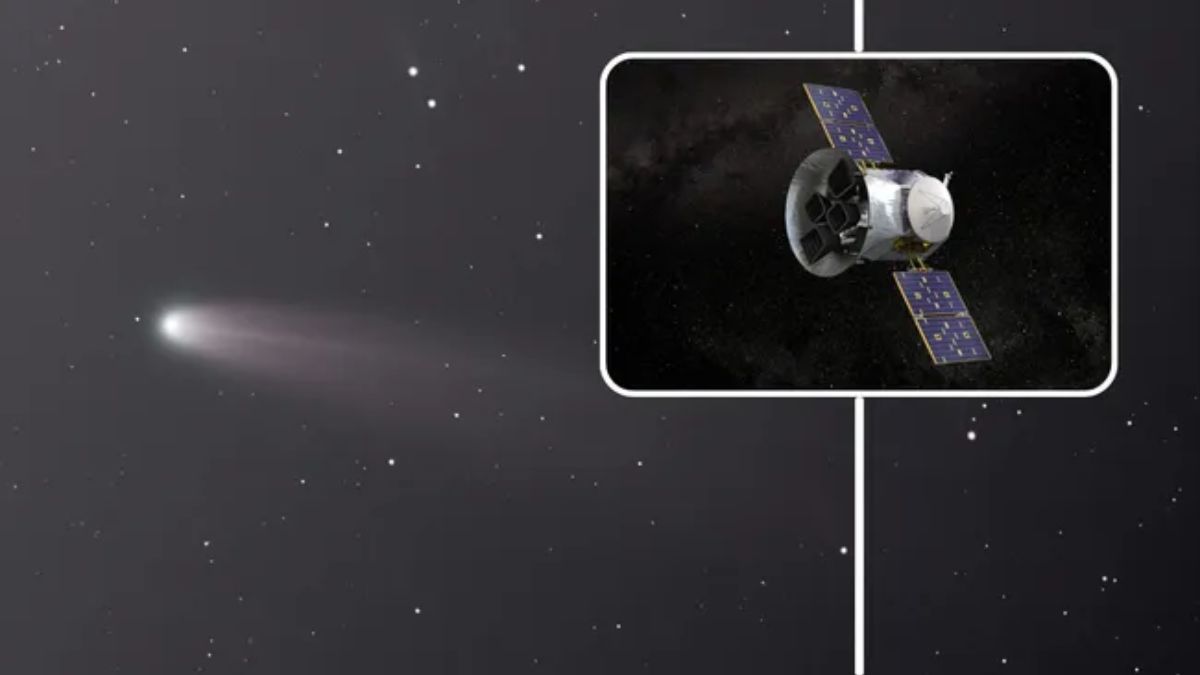
NASA’s Transiting Exoplanet Survey Satellite has captured rare images of interstellar comet 3I/ATLAS, only the third such object ever detected. Observations from January 2026 reveal the comet rotates every 15 hours and produces sunlight-driven jets, behaving much like Solar System comets. Scientists say studying 3I/ATLAS may unlock clues about th...
-
Astronomers Discover "Water-Rich Super-Earth" Twice As Big As Our Planet
Scientists have discovered a new "super-Earth" that is located about 154 light-years away and is nearly twice as big and four times as massive as our planet.
-
NASA's TESS Discovers Fastest Disintegrating Planet Ever Seen: What You Need to Know
NASA’s TESS has observed the closest and fastest disintegrating planet, BD+05 4868 Ab, located 141 light-years away. The planet loses a moon’s mass every million years as it is bombarded by its host star. Scientists are examining its massive dust trails, offering rare insights into the composition of terrestrial exoplanets. Researchers from MIT...
-
NASA Uses New Technique to Find a Planet Which Orbits Around Two Different Stars
NASA scientists have found evidence for a new transiting circumbinary planet. The term refers to any planet which orbits around two different stars. The evidence was received using an unprecedented technique.
-
NASA Helped by 17-Year-Old Intern to Find Planet in Habitable Zone
Just three days into his internship, little did 17-year-old Wolf Cukier realise that he is going to make history.
-
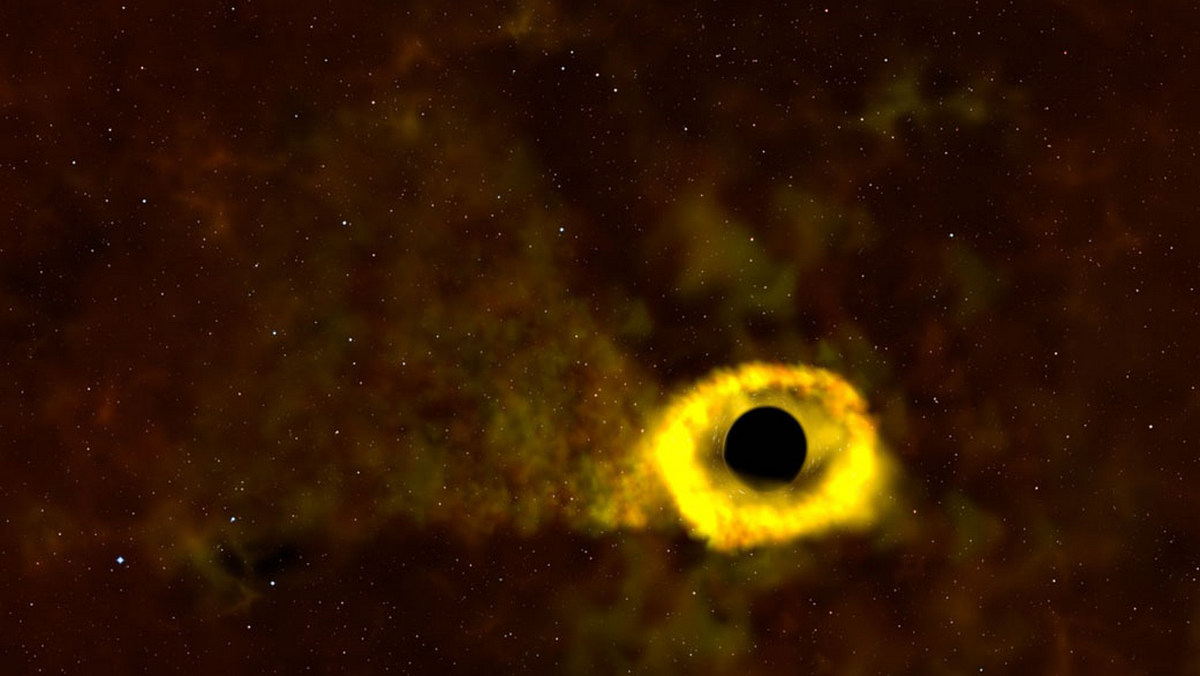
NASA Video Shows a Black Hole Ripping Apart an Unfortunate Star the Size of Our Sun
NASA's TESS revealed the detailed timeline of a star 375 million light-years away warping and spiralling into the unrelenting gravitational pull of a supermassive black hole
-
NASA Exoplanet Hunter TESS Finds Earth-Size Planet
NASA's new exoplanet hunter Transiting Exoplanet Survey Satellite (TESS) has discovered its first Earth-size world.
-
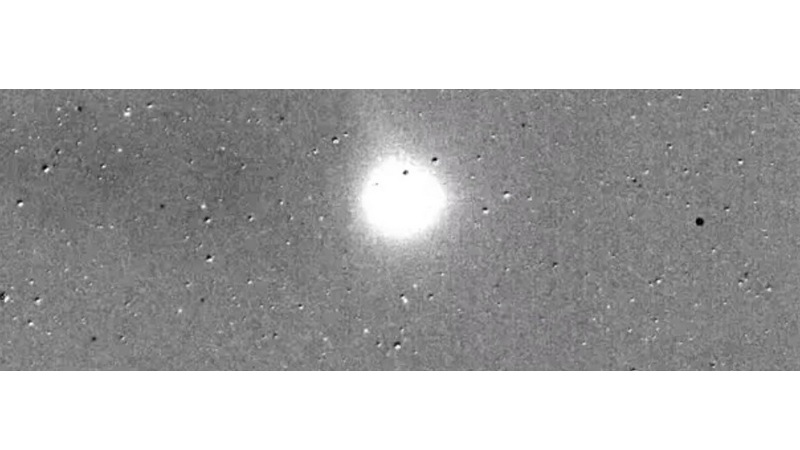
NASA's Planet Hunting TESS Satellite Captures Image of Comet
NASA's TESS satellite took a series of images of the comet C/2018 N1, over the course of 17 hours on July 25.
-
Rocket-Control Glitch Delays Launch Of NASA's Planet-Hunting Satellite
An 11th-hour technical glitch prompted SpaceX to postpone its planned launch on Monday of a new NASA space telescope designed to detect worlds beyond our solar system, delaying for at least 48 hours a quest to expand astronomers' known inventory of so-called exoplanets.
-
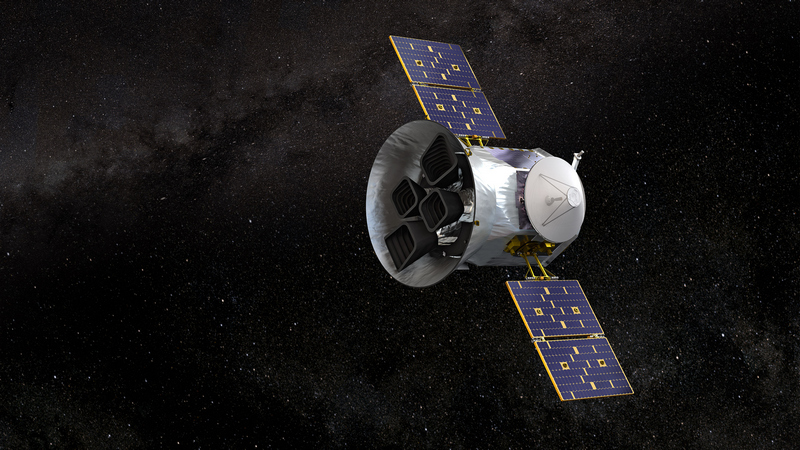
$337 Million Washing Machine-Sized Spacecraft To Seek Earth-Like Worlds
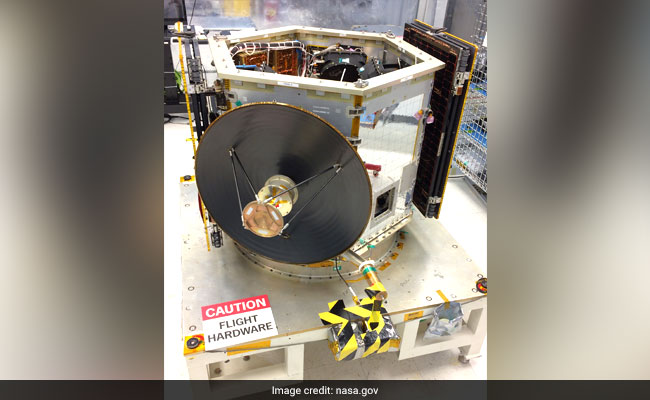
NASA is poised to launch a $337 million washing machine-sized spacecraft that aims to vastly expand mankind's search for planets beyond our solar system, particularly closer, Earth-sized ones that might harbor life.



-
NASA's Satellite Finds Rare Super-Jupiter Orbiting Far from Its Host Star
The mission identified a planet orbiting a distant star using ripples in space-time, instead of its usual planet-hunting method.
-
NASA Shares Detailed Space Map Highlighting Nearly 6,000 Exoplanets
NASA said the TESS mission studies large sections of the sky, known as sectors, for about a month at a time using four onboard cameras.
-
Astronomers Discover 27 Potential "Tatooine-Like" Planets Orbiting Two Stars
The potential planets were detected using data from NASA's Transiting Exoplanet Survey Satellite.
-
NASA’s TESS Captures First Images of Rare Interstellar Comet 3I/ATLAS
NASA’s Transiting Exoplanet Survey Satellite has captured rare images of interstellar comet 3I/ATLAS, only the third such object ever detected. Observations from January 2026 reveal the comet rotates every 15 hours and produces sunlight-driven jets, behaving much like Solar System comets. Scientists say studying 3I/ATLAS may unlock clues about th...
-
Astronomers Discover "Water-Rich Super-Earth" Twice As Big As Our Planet
Scientists have discovered a new "super-Earth" that is located about 154 light-years away and is nearly twice as big and four times as massive as our planet.
-
NASA's TESS Discovers Fastest Disintegrating Planet Ever Seen: What You Need to Know
NASA’s TESS has observed the closest and fastest disintegrating planet, BD+05 4868 Ab, located 141 light-years away. The planet loses a moon’s mass every million years as it is bombarded by its host star. Scientists are examining its massive dust trails, offering rare insights into the composition of terrestrial exoplanets. Researchers from MIT...
-
NASA Uses New Technique to Find a Planet Which Orbits Around Two Different Stars
NASA scientists have found evidence for a new transiting circumbinary planet. The term refers to any planet which orbits around two different stars. The evidence was received using an unprecedented technique.
-
NASA Helped by 17-Year-Old Intern to Find Planet in Habitable Zone
Just three days into his internship, little did 17-year-old Wolf Cukier realise that he is going to make history.
-
NASA Video Shows a Black Hole Ripping Apart an Unfortunate Star the Size of Our Sun
NASA's TESS revealed the detailed timeline of a star 375 million light-years away warping and spiralling into the unrelenting gravitational pull of a supermassive black hole
-
NASA Exoplanet Hunter TESS Finds Earth-Size Planet
NASA's new exoplanet hunter Transiting Exoplanet Survey Satellite (TESS) has discovered its first Earth-size world.
-
NASA's Planet Hunting TESS Satellite Captures Image of Comet
NASA's TESS satellite took a series of images of the comet C/2018 N1, over the course of 17 hours on July 25.
-
Rocket-Control Glitch Delays Launch Of NASA's Planet-Hunting Satellite
An 11th-hour technical glitch prompted SpaceX to postpone its planned launch on Monday of a new NASA space telescope designed to detect worlds beyond our solar system, delaying for at least 48 hours a quest to expand astronomers' known inventory of so-called exoplanets.
-
$337 Million Washing Machine-Sized Spacecraft To Seek Earth-Like Worlds
NASA is poised to launch a $337 million washing machine-sized spacecraft that aims to vastly expand mankind's search for planets beyond our solar system, particularly closer, Earth-sized ones that might harbor life.

