



Nasa Discovery
-
{
- All
- News
-

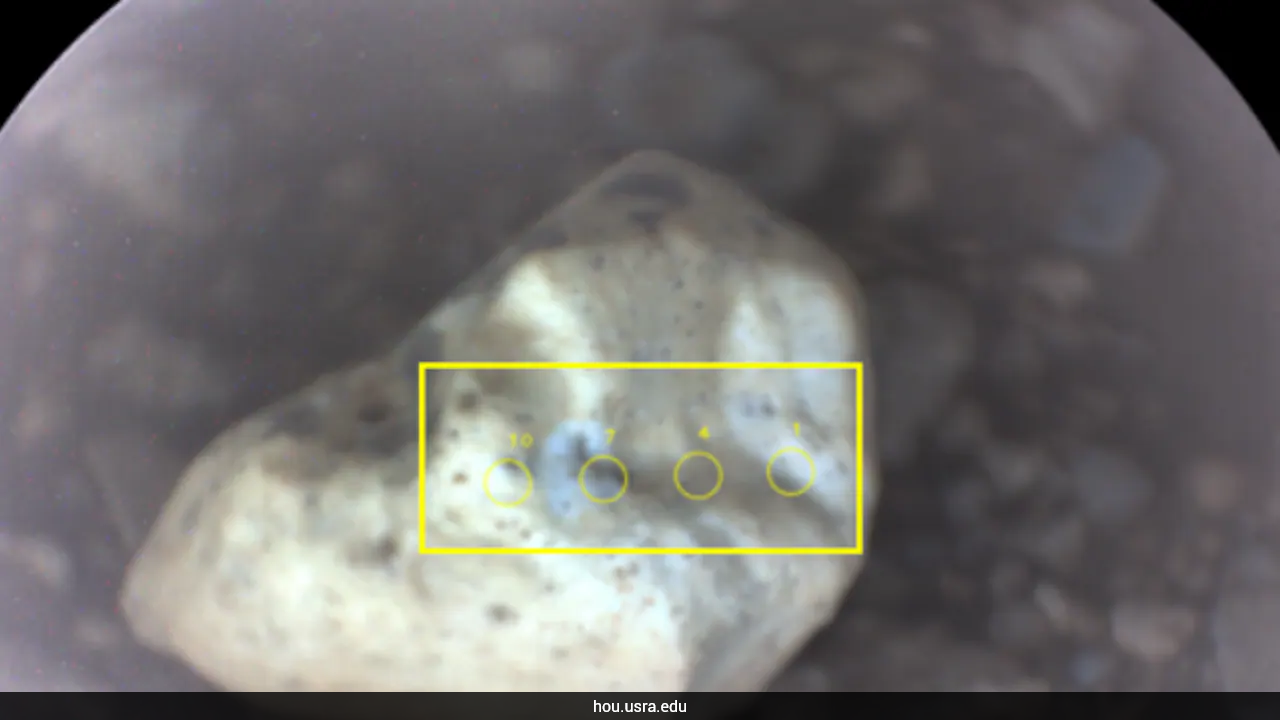
NASA Rover Fires Laser At Mars Rock, Uncovers Surprising Gemstone Clues
NASA's Perseverance rover has uncovered unexpectedly high concentrations of gemstone-associated minerals inside a Martian rock at Jezero Crater.
-
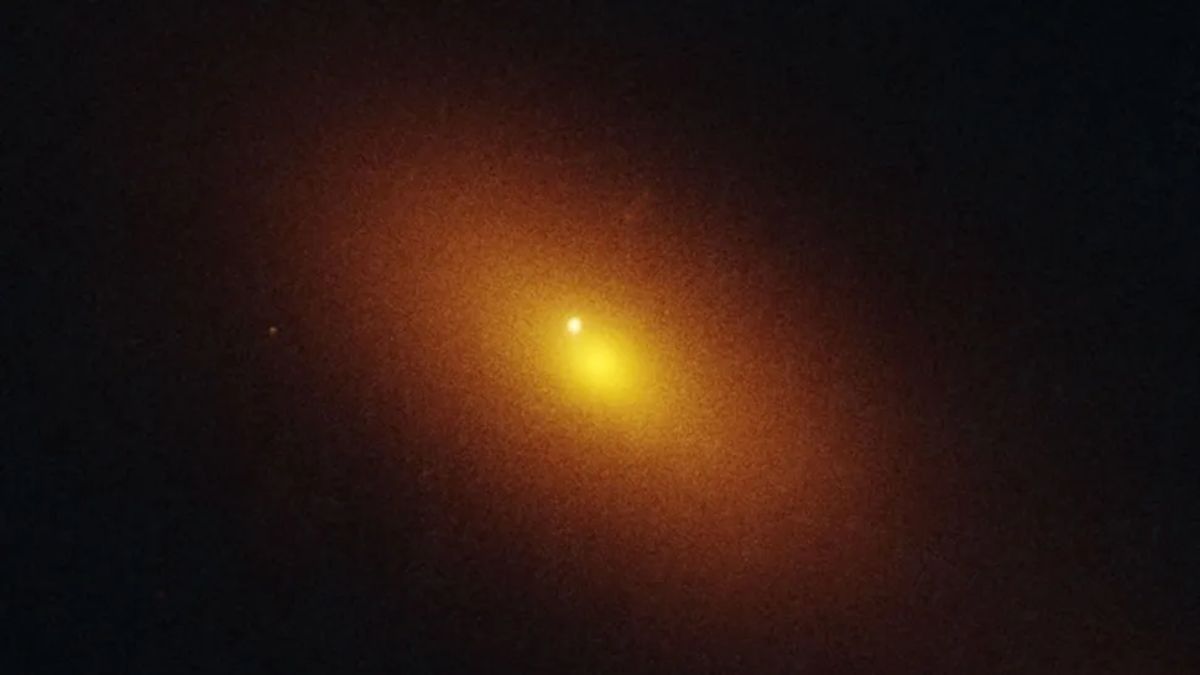
Hubble Captures First-Ever Rogue Black Hole Devouring a Star Outside Galactic Core
Astronomers led by Dr. Yuhan Yao have discovered the first offset tidal disruption event (TDE), where a rogue black hole outside a galaxy's core ripped apart a star. Spotted by the Hubble telescope and Zwicky Transient Facility, this marks historic evidence of a wandering supermassive black hole in action.
-
Astronomers Spot Hundreds of Hidden Supermassive Black Holes Using Infrared
Hundreds of hidden supermassive black holes have been identified using infrared observations, offering fresh insights into their role in galaxy formation. Researchers relied on data from NASA's Infrared Astronomical Satellite (IRAS) and the Nuclear Spectroscopic Telescope Array (NuSTAR) to detect emissions from black holes obscured by thick clouds ...
-
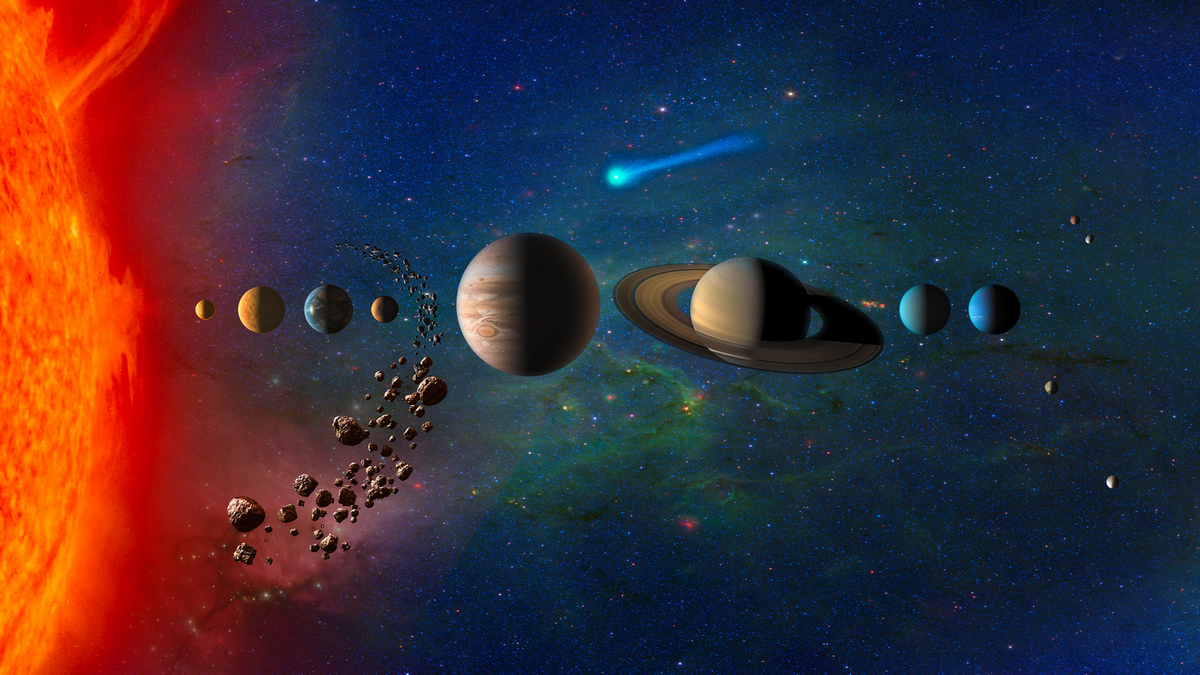
NASA Eyes New Missions for Venus, Moons of Jupiter, Neptune
The four investigations were selected as part of NASA's Discovery Programme that invites scientists and engineers to assemble a team to design exciting planetary science missions that deepen what we know about the solar system and our place in it.
-
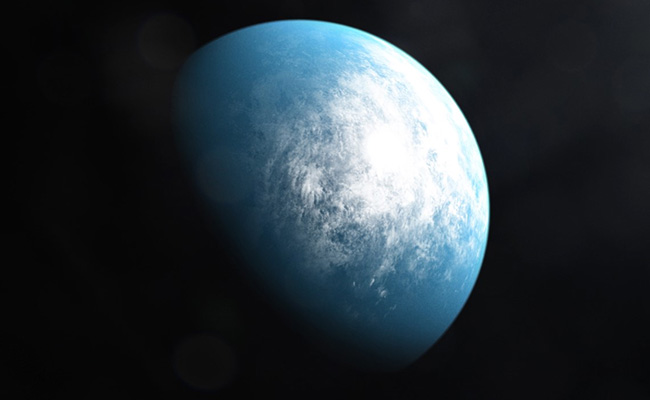
Earth-Sized World Found In "Habitable Zone" By NASA Planet Hunter
NASA said Monday that its planet hunter satellite TESS had discovered an Earth-sized world within the habitable range of its star, which could allow the presence of liquid water.
-
'We Are Probably Not Alone': NASA Finds 10 'Earth-Like' Worlds
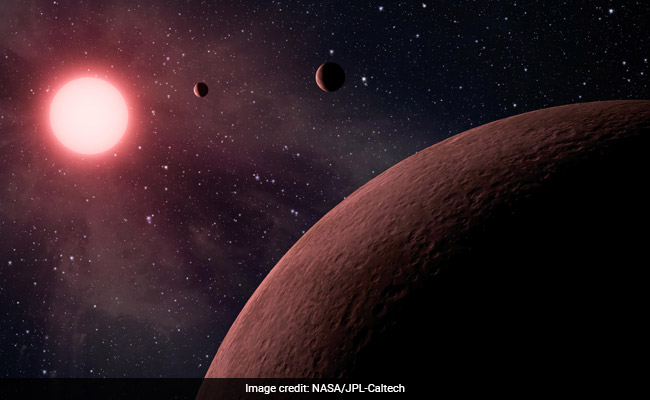
Astronomers using the Kepler space telescope have detected 219 possible new exoplanets in our galaxy, including 10 relatively small, rocky and possibly habitable planets similar to our own, NASA announced Monday.
-
NASA Advances Launch of Mission to Explore 'Psyche' Metal Asteroid
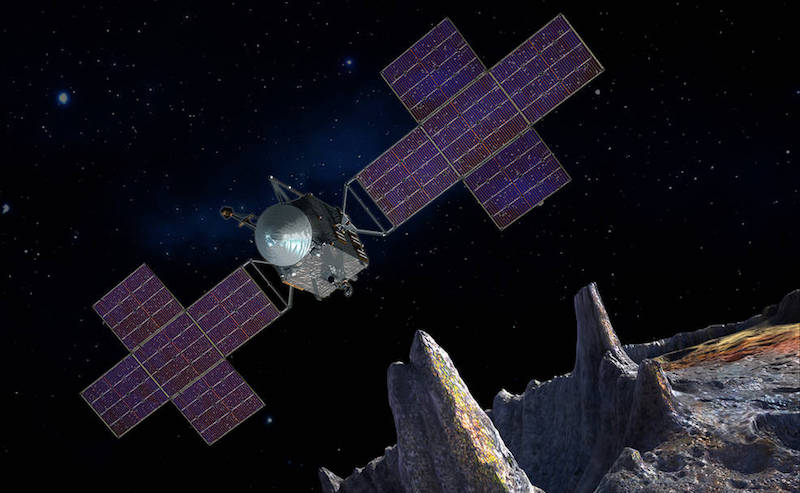
Moving up the launch schedule and a revised trajectory will enable the probe to explore Psyche, an asteroid orbiting the Sun between Mars and Jupiter.
-
Scientists Discover 7 'Earthlike' Planets Orbiting A Nearby Star
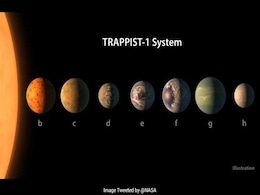
A newfound solar system just 39 light years away contains seven warm, rocky, Earthlike planets, scientists say.
-
10 Things To Know About Earth-Like Planets Found In Nearby Solar System
US space agency NASA has announced that scientists researching outer space have found the existence of another 'solar system' - seven Earth-like planets orbiting a small star in galaxy 40 light years away - opening up the most promising hunting ground so far for life beyond. A press release from the space agency said the Spitzer Space Telescope has...
-
NASA Has Found A New Solar System With 7 Earth-Size Planets
US space agency NASA has announced that scientists researching outer space have found the existence of a solar system. "New record! We've found 7 Earth-sized planets in the habitable zone around a single star outside our solar system," NASA tweeted.
-
NASA To Make Mystery Announcement On Planets Beyond Solar System
Scientists will shortly hold a news conference at the headquarters of US space agency NASA in Washington to announce a significant discovery linked to exoplanets - meaning planets that orbit a star other than the sun. A Reddit AMA (Ask Me Anything) about exoplanets will also be held, where scientists will be available to answer questions in English...
-
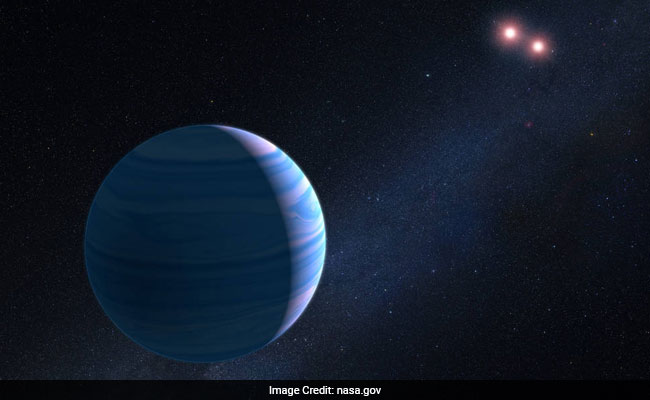
NASA's Hubble Finds Planet Orbiting Two Stars
Astronomers using NASA's Hubble Space Telescope have discovered a planet orbiting two stars in a system located about 8,000 light-years away towards the centre of our galaxy.
-
Discovery dodges space debris, landing delayed
Thunderstorms and high winds forced NASA to abandon a first attempt to land the space shuttle Discovery.

-
NASA Rover Fires Laser At Mars Rock, Uncovers Surprising Gemstone Clues
NASA's Perseverance rover has uncovered unexpectedly high concentrations of gemstone-associated minerals inside a Martian rock at Jezero Crater.
-
Hubble Captures First-Ever Rogue Black Hole Devouring a Star Outside Galactic Core
Astronomers led by Dr. Yuhan Yao have discovered the first offset tidal disruption event (TDE), where a rogue black hole outside a galaxy's core ripped apart a star. Spotted by the Hubble telescope and Zwicky Transient Facility, this marks historic evidence of a wandering supermassive black hole in action.
-
Astronomers Spot Hundreds of Hidden Supermassive Black Holes Using Infrared
Hundreds of hidden supermassive black holes have been identified using infrared observations, offering fresh insights into their role in galaxy formation. Researchers relied on data from NASA's Infrared Astronomical Satellite (IRAS) and the Nuclear Spectroscopic Telescope Array (NuSTAR) to detect emissions from black holes obscured by thick clouds ...
-
NASA Eyes New Missions for Venus, Moons of Jupiter, Neptune
The four investigations were selected as part of NASA's Discovery Programme that invites scientists and engineers to assemble a team to design exciting planetary science missions that deepen what we know about the solar system and our place in it.
-
Earth-Sized World Found In "Habitable Zone" By NASA Planet Hunter
NASA said Monday that its planet hunter satellite TESS had discovered an Earth-sized world within the habitable range of its star, which could allow the presence of liquid water.
-
'We Are Probably Not Alone': NASA Finds 10 'Earth-Like' Worlds
Astronomers using the Kepler space telescope have detected 219 possible new exoplanets in our galaxy, including 10 relatively small, rocky and possibly habitable planets similar to our own, NASA announced Monday.
-
NASA Advances Launch of Mission to Explore 'Psyche' Metal Asteroid
Moving up the launch schedule and a revised trajectory will enable the probe to explore Psyche, an asteroid orbiting the Sun between Mars and Jupiter.
-
Scientists Discover 7 'Earthlike' Planets Orbiting A Nearby Star
A newfound solar system just 39 light years away contains seven warm, rocky, Earthlike planets, scientists say.
-
10 Things To Know About Earth-Like Planets Found In Nearby Solar System
US space agency NASA has announced that scientists researching outer space have found the existence of another 'solar system' - seven Earth-like planets orbiting a small star in galaxy 40 light years away - opening up the most promising hunting ground so far for life beyond. A press release from the space agency said the Spitzer Space Telescope has...
-
NASA Has Found A New Solar System With 7 Earth-Size Planets
US space agency NASA has announced that scientists researching outer space have found the existence of a solar system. "New record! We've found 7 Earth-sized planets in the habitable zone around a single star outside our solar system," NASA tweeted.
-
NASA To Make Mystery Announcement On Planets Beyond Solar System
Scientists will shortly hold a news conference at the headquarters of US space agency NASA in Washington to announce a significant discovery linked to exoplanets - meaning planets that orbit a star other than the sun. A Reddit AMA (Ask Me Anything) about exoplanets will also be held, where scientists will be available to answer questions in English...
-
NASA's Hubble Finds Planet Orbiting Two Stars
Astronomers using NASA's Hubble Space Telescope have discovered a planet orbiting two stars in a system located about 8,000 light-years away towards the centre of our galaxy.
-
Discovery dodges space debris, landing delayed
Thunderstorms and high winds forced NASA to abandon a first attempt to land the space shuttle Discovery.

