



Cosmology
-
{
- All
- News
- Videos
-

Astronomers Discover Two Galaxies That Appear to Lack Dark Matter
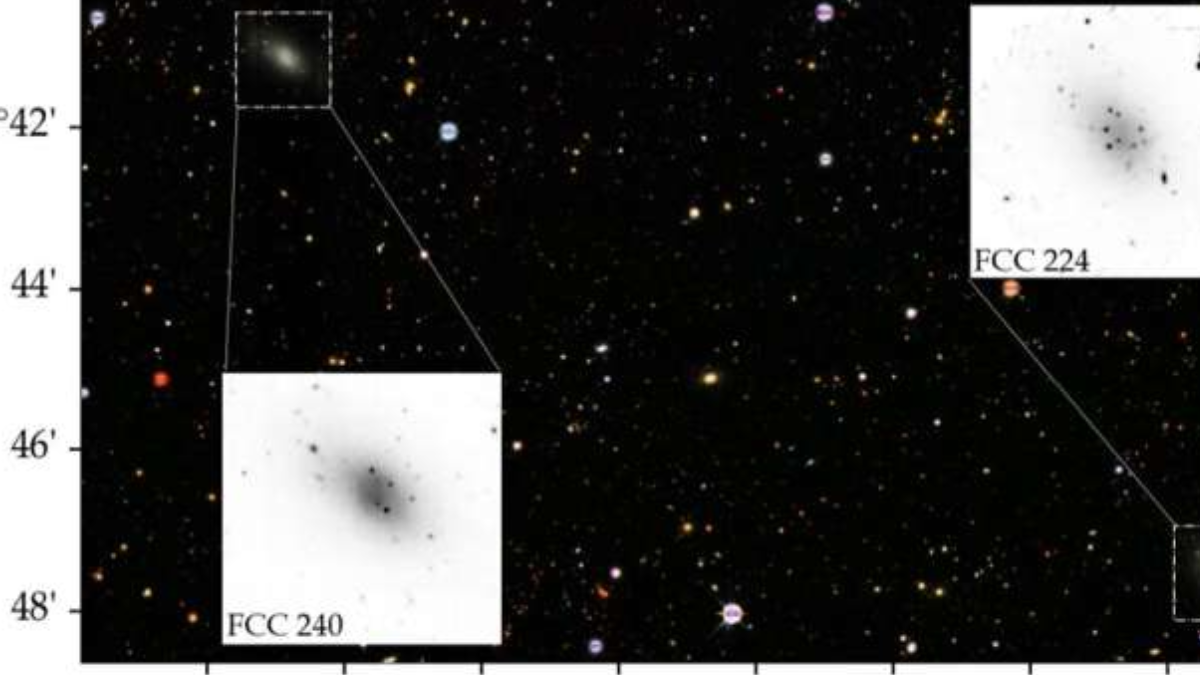
Researchers studying FCC 224 and FCC 240 in the Fornax Cluster found evidence that both galaxies contain surprisingly little dark matter. The discovery supports the idea that galaxy collisions can strip away dark matter and raises new questions about how galaxies evolve.
-
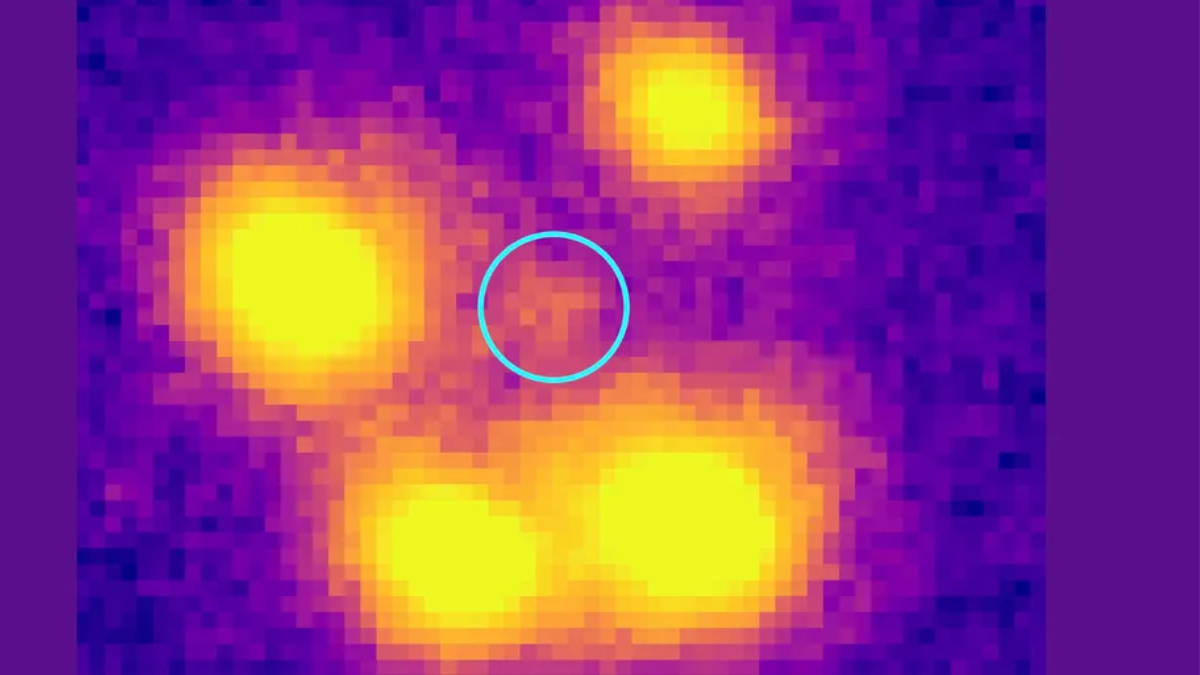
JWST Discovers Ancient Black Hole Older Than Its Own Galaxy
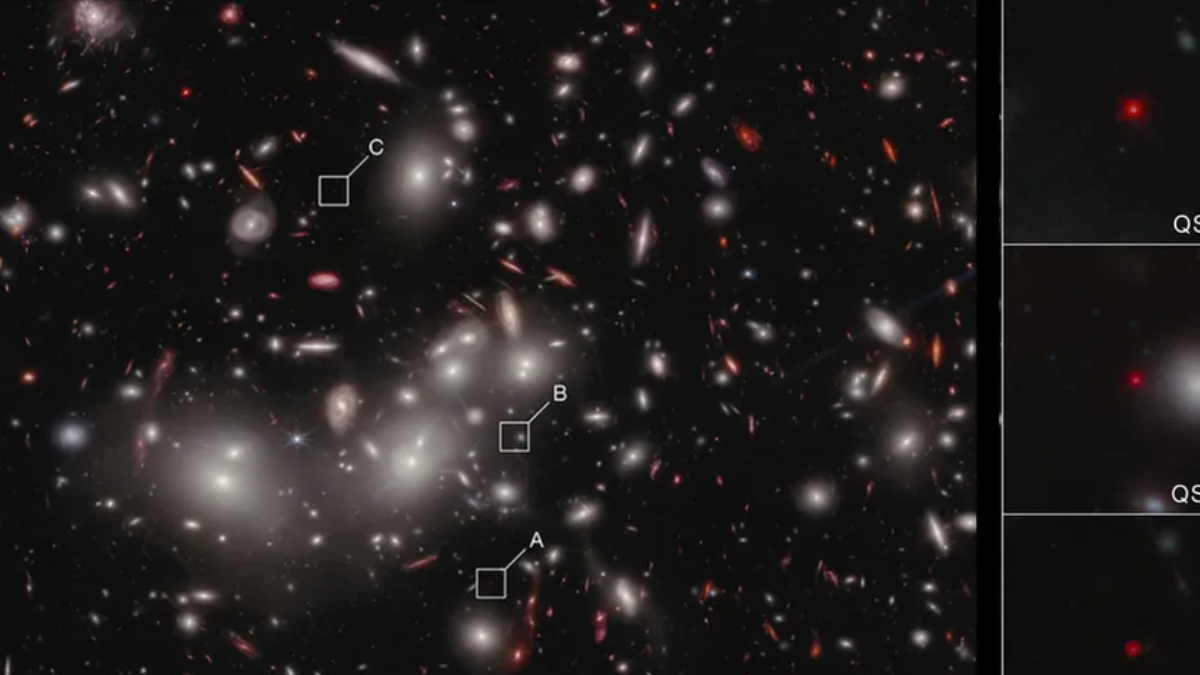
JWST has identified a supermassive black hole from the early universe that outweighs most of its own galaxy, suggesting black holes may form before galaxies themselves.
-
Most Powerful Neutrino Ever Detected May Have Come From a Blazar
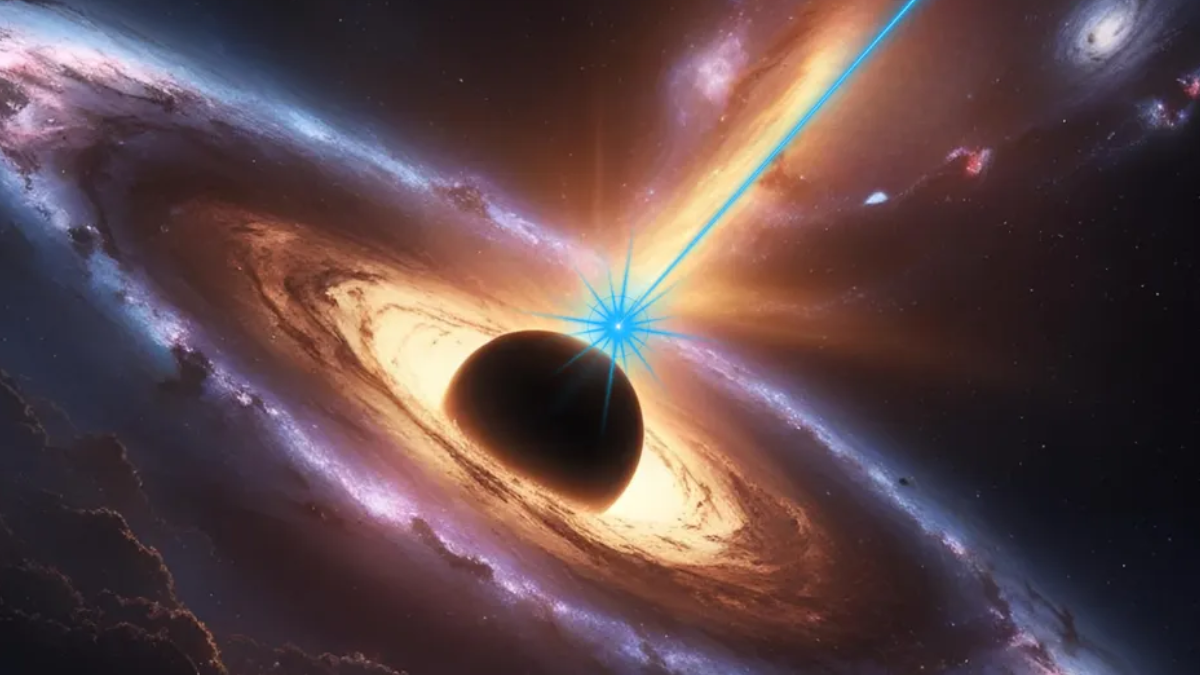
A 220 PeV neutrino detected beneath the Mediterranean Sea may have originated from a distant blazar. Simulations suggest these powerful black hole systems can generate ultra-high-energy ghost particles.
-
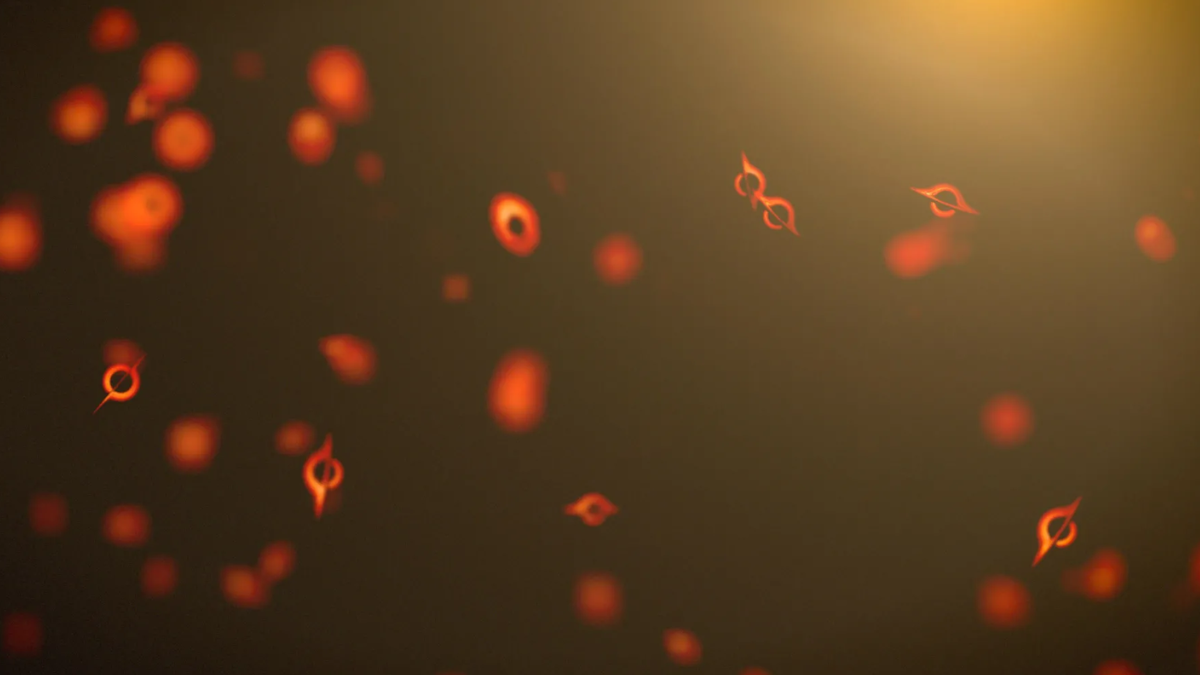
New Black Hole Study Suggests Singularities May Not Exist
A new study suggests charged black holes may avoid singularities through quantum effects and Hawking radiation. The findings could reshape theories of gravity, space-time, and even the origins of dark matter.
-
Scientists Just Created the Largest 3D Map of the Universe Ever to Study Dark Energy
The Dark Energy Spectroscopic Instrument has created the largest 3D map of the Universe, charting millions of galaxies. Early results suggest dark energy may evolve over time, challenging long-held cosmological theories.
-
New Einstein Cross Reveals Surprising Galaxy Evolution
Astronomers discovered a rare Einstein Cross around galaxy J1453g, revealing a stellar structure similar to the Milky Way. The finding challenges current theories of how elliptical galaxies form and evolve.
-
Ultra-High-Energy Neutrino Detected Beneath Mediterranean Sea Baffles Scientists
Scientists suggest an ultra-high-energy neutrino detected by KM3NeT detector may come from a primordial black hole explosion, hinting at new physics involving dark charge and the early universe.
-
Andromeda XXXVI Discovery Sheds Light on Dark Matter Rich Dwarf Galaxies
Astronomers have discovered Andromeda XXXVI, an ultra-faint, dark matter-rich satellite of Andromeda Galaxy. This ancient system may be a fossil from the early universe, helping scientists study galaxy formation and dark matter.
-
New Data From COSINE-100, ANAIS-112 Disputes DAMA Dark Matter Results
New results from COSINE-100 and ANAIS-112 show no signal matching the DAMA experiment claim, weakening evidence for dark matter detection and shifting focus toward new search strategies.
-
Hubble Constant Puzzle Deepens as Supernova and CMB Measurements Clash
Astronomers are testing a new way to measure the universe’s expansion rate using the gravitational-wave background detected by NANOGrav. By treating the cosmic hum from merging supermassive black holes as a statistical “stochastic siren,” researchers hope to calculate the Hubble constant and help resolve the long-standing Hubble tension betwe...
-
James Webb Telescope Finds Galaxies Nearly as Old as the Early Universe
NASA’s James Webb Space Telescope has revealed early galaxies that appear almost as old as the universe itself. By analyzing 31 galaxies at high redshift, researchers estimated stellar ages of around 600 million years—close to the universe’s age at that epoch. One galaxy may even seem older than the universe, posing a potential challenge to t...
-
Dark Matter May Not Exist, Study Suggests Gravity Works Differently at Cosmic Scales
A new theoretical study suggests dark matter may not exist, proposing instead that gravity behaves differently across vast cosmic distances. By modifying how gravity weakens over scale, the research explains galaxy rotation and lensing effects without unseen particles, raising questions about long-standing cosmological models and inviting a fresh l...
-
CERN Experiments Confirm Early Universe Behaved Like a Near-Perfect Fluid
Physicists at CERN have directly observed fluid-like behaviour in the quark–gluon plasma that filled the early universe. Experiments at the Large Hadron Collider revealed wake-shaped ripples forming behind fast-moving quarks, similar to bow waves in liquids. These quark wakes confirm that the primordial “soup” of quarks and gluons behaved as ...
-
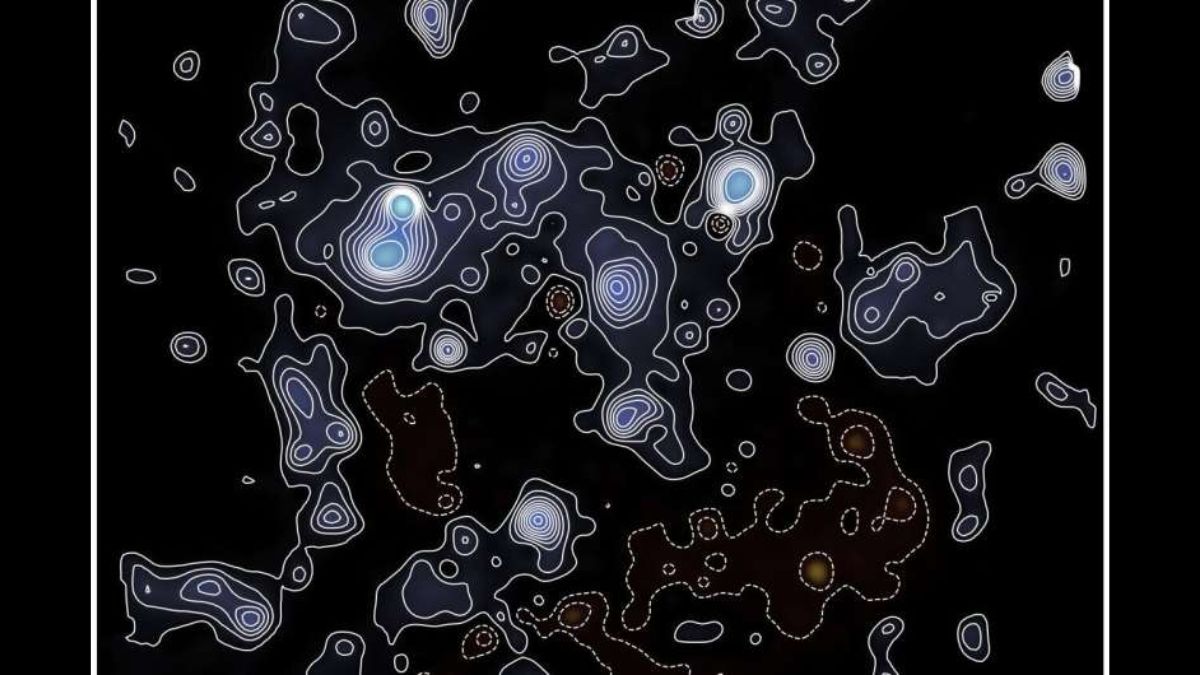
James Webb Helps Astronomers Chart the Universe’s Hidden Dark Matter
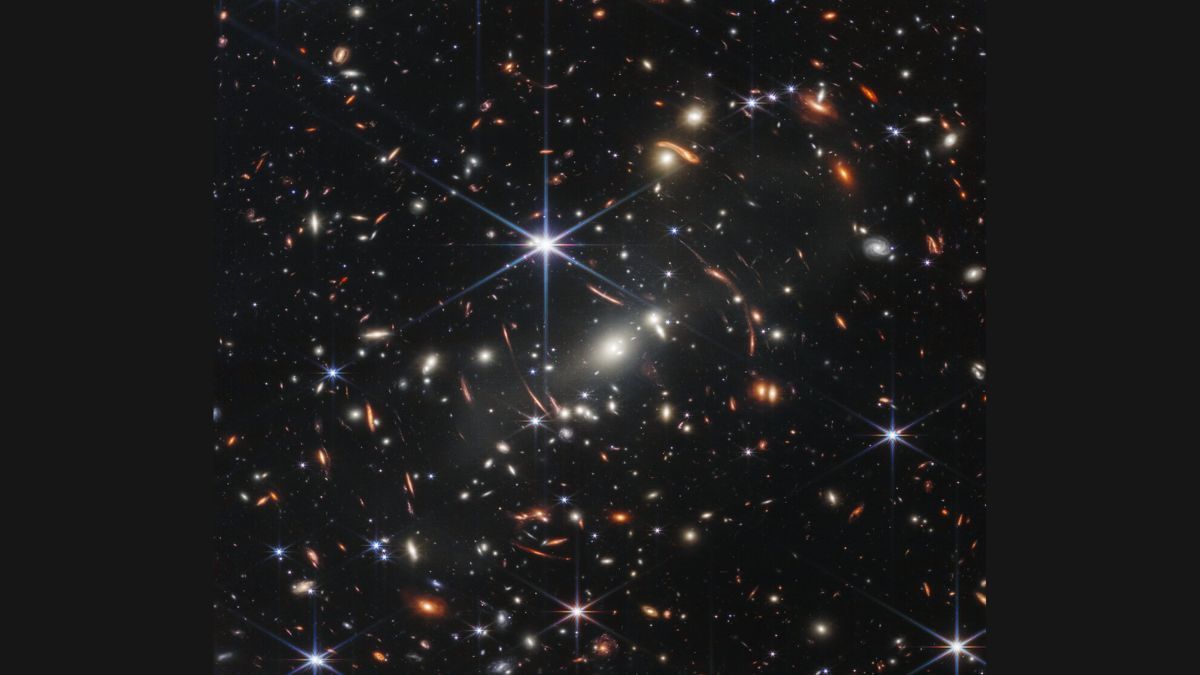
Astronomers have created the sharpest map yet of dark matter using deep observations from NASA’s James Webb Space Telescope. By analysing the gravitational distortion of hundreds of thousands of distant galaxies, the team traced invisible dark matter across a large region of the sky. The results confirm that dark matter forms the scaffolding arou...
-
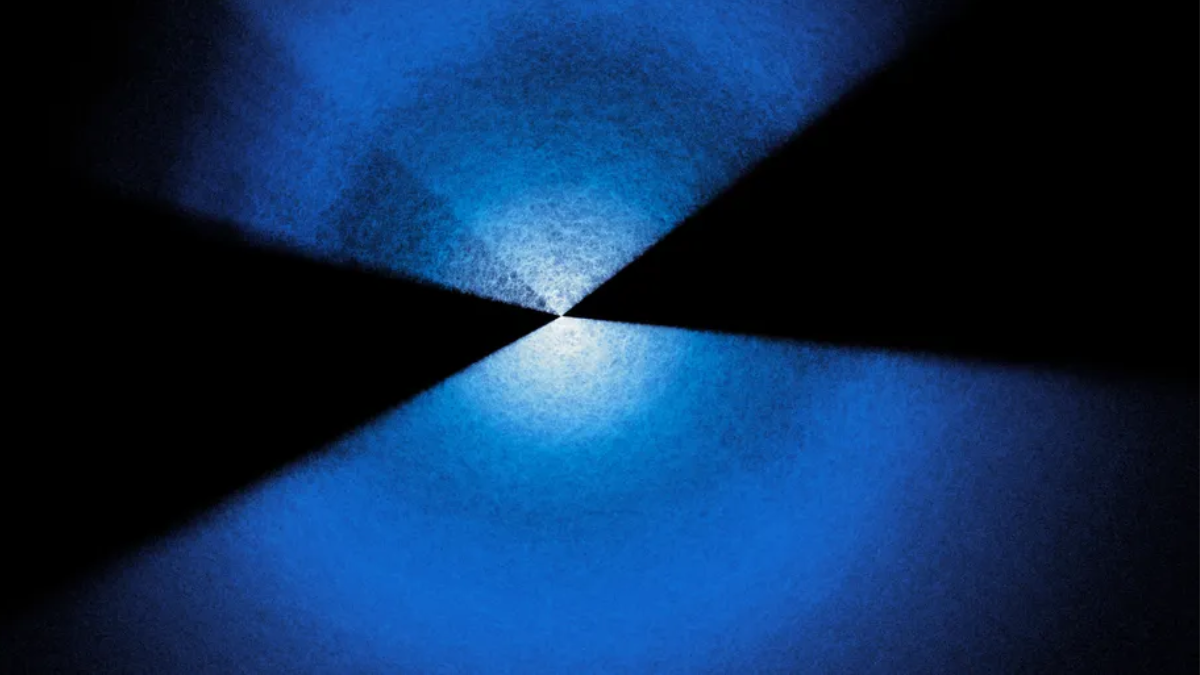
New Dark Matter Simulation Could Change How Galaxies Are Thought to Evolve
Scientists at the Perimeter Institute have developed a new simulation code, KISS-SIDM, to study self-interacting dark matter. The tool shows how rare dark matter interactions can heat and collapse galaxy halos, potentially explaining dense galactic cores and the early formation of supermassive black holes.


-
Astronomers Discover Two Galaxies That Appear to Lack Dark Matter
Researchers studying FCC 224 and FCC 240 in the Fornax Cluster found evidence that both galaxies contain surprisingly little dark matter. The discovery supports the idea that galaxy collisions can strip away dark matter and raises new questions about how galaxies evolve.
-
JWST Discovers Ancient Black Hole Older Than Its Own Galaxy
JWST has identified a supermassive black hole from the early universe that outweighs most of its own galaxy, suggesting black holes may form before galaxies themselves.
-
Most Powerful Neutrino Ever Detected May Have Come From a Blazar
A 220 PeV neutrino detected beneath the Mediterranean Sea may have originated from a distant blazar. Simulations suggest these powerful black hole systems can generate ultra-high-energy ghost particles.
-
New Black Hole Study Suggests Singularities May Not Exist
A new study suggests charged black holes may avoid singularities through quantum effects and Hawking radiation. The findings could reshape theories of gravity, space-time, and even the origins of dark matter.
-
Scientists Just Created the Largest 3D Map of the Universe Ever to Study Dark Energy
The Dark Energy Spectroscopic Instrument has created the largest 3D map of the Universe, charting millions of galaxies. Early results suggest dark energy may evolve over time, challenging long-held cosmological theories.
-
New Einstein Cross Reveals Surprising Galaxy Evolution
Astronomers discovered a rare Einstein Cross around galaxy J1453g, revealing a stellar structure similar to the Milky Way. The finding challenges current theories of how elliptical galaxies form and evolve.
-
Ultra-High-Energy Neutrino Detected Beneath Mediterranean Sea Baffles Scientists
Scientists suggest an ultra-high-energy neutrino detected by KM3NeT detector may come from a primordial black hole explosion, hinting at new physics involving dark charge and the early universe.
-
Andromeda XXXVI Discovery Sheds Light on Dark Matter Rich Dwarf Galaxies
Astronomers have discovered Andromeda XXXVI, an ultra-faint, dark matter-rich satellite of Andromeda Galaxy. This ancient system may be a fossil from the early universe, helping scientists study galaxy formation and dark matter.
-
New Data From COSINE-100, ANAIS-112 Disputes DAMA Dark Matter Results
New results from COSINE-100 and ANAIS-112 show no signal matching the DAMA experiment claim, weakening evidence for dark matter detection and shifting focus toward new search strategies.
-
Hubble Constant Puzzle Deepens as Supernova and CMB Measurements Clash
Astronomers are testing a new way to measure the universe’s expansion rate using the gravitational-wave background detected by NANOGrav. By treating the cosmic hum from merging supermassive black holes as a statistical “stochastic siren,” researchers hope to calculate the Hubble constant and help resolve the long-standing Hubble tension betwe...
-
James Webb Telescope Finds Galaxies Nearly as Old as the Early Universe
NASA’s James Webb Space Telescope has revealed early galaxies that appear almost as old as the universe itself. By analyzing 31 galaxies at high redshift, researchers estimated stellar ages of around 600 million years—close to the universe’s age at that epoch. One galaxy may even seem older than the universe, posing a potential challenge to t...
-
Dark Matter May Not Exist, Study Suggests Gravity Works Differently at Cosmic Scales
A new theoretical study suggests dark matter may not exist, proposing instead that gravity behaves differently across vast cosmic distances. By modifying how gravity weakens over scale, the research explains galaxy rotation and lensing effects without unseen particles, raising questions about long-standing cosmological models and inviting a fresh l...
-
CERN Experiments Confirm Early Universe Behaved Like a Near-Perfect Fluid
Physicists at CERN have directly observed fluid-like behaviour in the quark–gluon plasma that filled the early universe. Experiments at the Large Hadron Collider revealed wake-shaped ripples forming behind fast-moving quarks, similar to bow waves in liquids. These quark wakes confirm that the primordial “soup” of quarks and gluons behaved as ...
-
James Webb Helps Astronomers Chart the Universe’s Hidden Dark Matter
Astronomers have created the sharpest map yet of dark matter using deep observations from NASA’s James Webb Space Telescope. By analysing the gravitational distortion of hundreds of thousands of distant galaxies, the team traced invisible dark matter across a large region of the sky. The results confirm that dark matter forms the scaffolding arou...
-
New Dark Matter Simulation Could Change How Galaxies Are Thought to Evolve
Scientists at the Perimeter Institute have developed a new simulation code, KISS-SIDM, to study self-interacting dark matter. The tool shows how rare dark matter interactions can heat and collapse galaxy halos, potentially explaining dense galactic cores and the early formation of supermassive black holes.

