



Cosmic Dust
-
{
- All
- News
-

Scientists Discover 77 Rare Red Quasars Hidden Behind Cosmic Dust
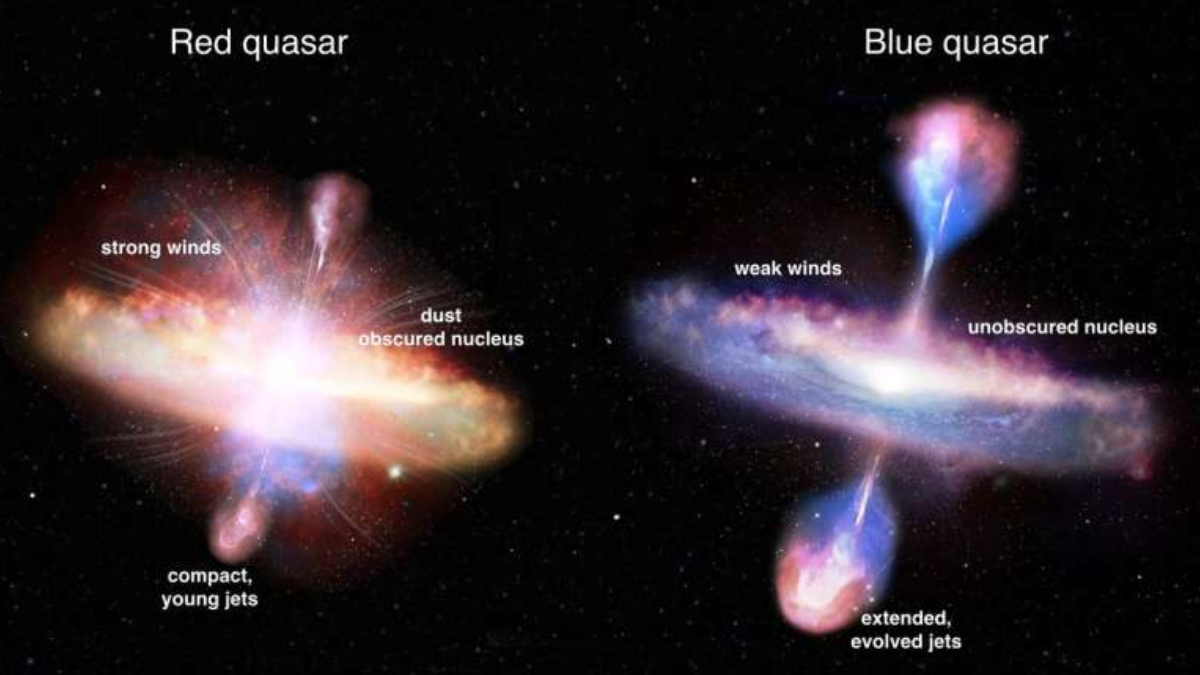
Scientists have discovered 77 rare red quasars hidden behind cosmic dust using NASA’s SPHEREx telescope. The findings support theories linking galaxy mergers to rapid black hole growth and galaxy evolution.
-
NASA Shares Image Revealing Egg Nebula's "Yolk" Star And Dust Cloud
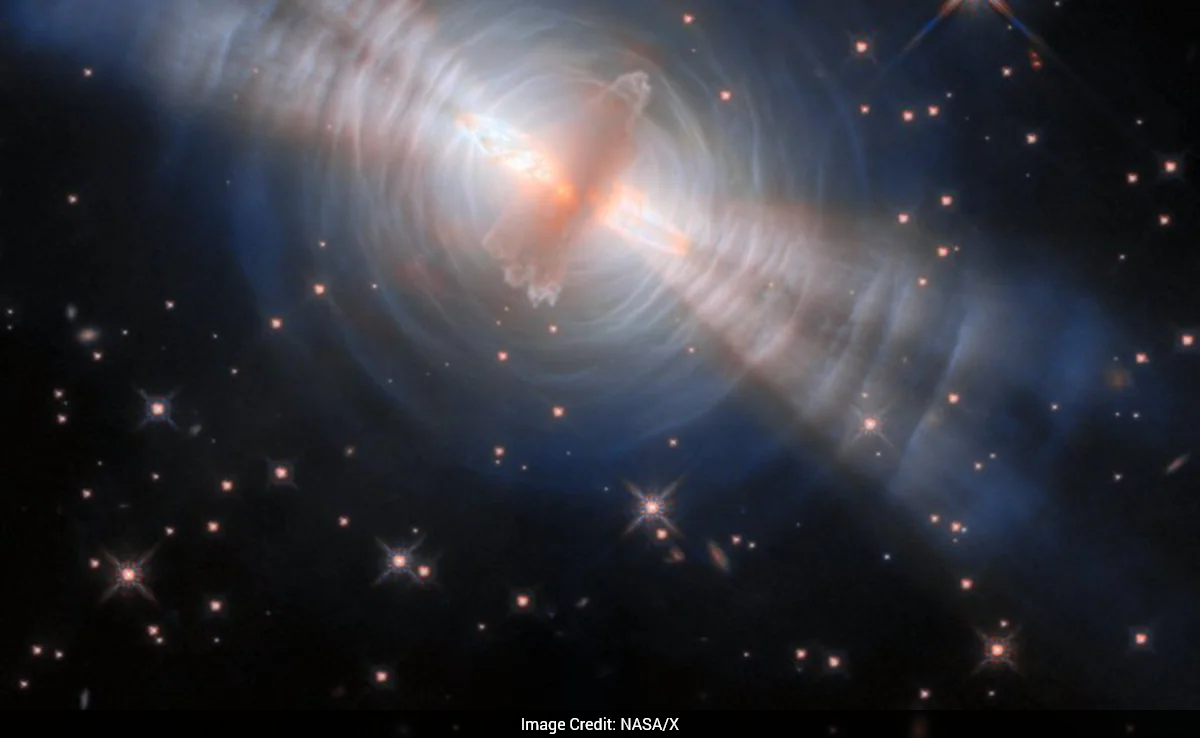
According to astronomers, these types of aging stars produce large amounts of cosmic dust and spread it into space.
-
ISRO Shares Details On Cosmic Dust Particles That Hit Earth Every Thousand Seconds
DEX-like instruments are crucial in planetary exploration as they can help study the atmospheres of planets.
-
Hubble Captures Stunning Tarantula Nebula Image, Revealing Cosmic Dust and Star Formation
A new image from the Hubble Space Telescope highlights the Tarantula Nebula’s complex structure, featuring dense cosmic dust clouds and vibrant star-forming regions. This nebula, located 160,000 light-years away, plays a vital role in understanding stellar evolution. The captured details offer insights into how cosmic dust contributes to star and...
-
Hubble’s New Image of Tarantula Nebula Showcases Cosmic Dust and Star Formation
NASA/ESA’s Hubble Space Telescope has captured a breathtaking image of the Tarantula Nebula, located 160,000 light-years away in the Large Magellanic Cloud. The image reveals intricate cosmic dust patterns and active star formation, offering valuable insights into the role of interstellar material in stellar evolution. Researchers are using the d...
-
Scientists Use Retired Telescopes to Capture Intricate Images of Cosmic Dust and Clouds
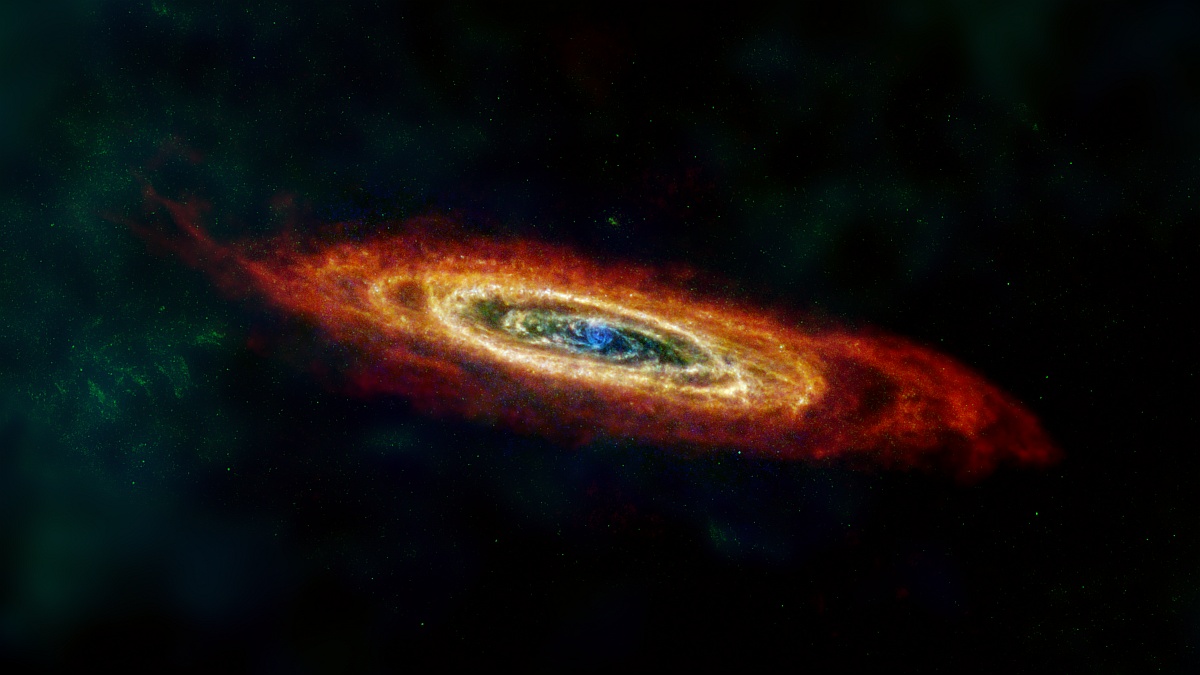
Scientists have captured intricate details of cosmic dust and clouds in space, including the Andromeda galaxy (M31), Triangulum galaxy (M33), and the Large and Small Magellanic Clouds. In order to create images of the cosmic dust and clouds, researchers have relied on data from various retired missions such as the using the European Space Agency (E...
-
NASA Sends a Probe Diving Through Distant Ice Geysers in Search of Alien Life
Wednesday, at 11:22 a.m. Eastern time, NASA's Cassini orbiter will make a close swipe at Saturn's moon Enceladus -- a moon recently proven to be completely covered in ocean beneath its icy crust. The plan is for the spacecraft to dive into icy plumes that shoot out of the moon's frozen surface.


-
Scientists Discover 77 Rare Red Quasars Hidden Behind Cosmic Dust
Scientists have discovered 77 rare red quasars hidden behind cosmic dust using NASA’s SPHEREx telescope. The findings support theories linking galaxy mergers to rapid black hole growth and galaxy evolution.
-
NASA Shares Image Revealing Egg Nebula's "Yolk" Star And Dust Cloud
According to astronomers, these types of aging stars produce large amounts of cosmic dust and spread it into space.
-
ISRO Shares Details On Cosmic Dust Particles That Hit Earth Every Thousand Seconds
DEX-like instruments are crucial in planetary exploration as they can help study the atmospheres of planets.
-
Hubble Captures Stunning Tarantula Nebula Image, Revealing Cosmic Dust and Star Formation
A new image from the Hubble Space Telescope highlights the Tarantula Nebula’s complex structure, featuring dense cosmic dust clouds and vibrant star-forming regions. This nebula, located 160,000 light-years away, plays a vital role in understanding stellar evolution. The captured details offer insights into how cosmic dust contributes to star and...
-
Hubble’s New Image of Tarantula Nebula Showcases Cosmic Dust and Star Formation
NASA/ESA’s Hubble Space Telescope has captured a breathtaking image of the Tarantula Nebula, located 160,000 light-years away in the Large Magellanic Cloud. The image reveals intricate cosmic dust patterns and active star formation, offering valuable insights into the role of interstellar material in stellar evolution. Researchers are using the d...
-
Scientists Use Retired Telescopes to Capture Intricate Images of Cosmic Dust and Clouds
Scientists have captured intricate details of cosmic dust and clouds in space, including the Andromeda galaxy (M31), Triangulum galaxy (M33), and the Large and Small Magellanic Clouds. In order to create images of the cosmic dust and clouds, researchers have relied on data from various retired missions such as the using the European Space Agency (E...
-
NASA Sends a Probe Diving Through Distant Ice Geysers in Search of Alien Life
Wednesday, at 11:22 a.m. Eastern time, NASA's Cassini orbiter will make a close swipe at Saturn's moon Enceladus -- a moon recently proven to be completely covered in ocean beneath its icy crust. The plan is for the spacecraft to dive into icy plumes that shoot out of the moon's frozen surface.

