





Only a few months ago, the tropical Pacific was under the influence of La Nina, the cooler counterpart to El Nino. Now, scientists are warning of a dramatic reversal, with the US National Oceanic and Atmospheric Administration (NOAA) confirming that El Nino has officially developed and is expected to strengthen through the Northern Hemisphere winter of 2026-27. Forecasters estimate a 63% chance that it could become a "very strong" El Nino between November and January, potentially placing it among the strongest events recorded since 1950.
According to US National Oceanic and Atmospheric Administration, the unusually rapid shift from La Nina conditions earlier this year to a potentially powerful El Nino has attracted the attention of climate scientists worldwide. Such a transition within a single year is relatively uncommon and raises concerns about significant weather disruptions across multiple continents.
Adding to the concern is an extensive marine heatwave that has developed across parts of the North Pacific since late 2025. Researchers are investigating whether the vast stretch of unusually warm ocean water is contributing to the strengthening of El Nino and affecting marine ecosystems and fisheries. While the exact relationship remains under study, scientists say the simultaneous occurrence of both phenomena could amplify climate impacts in some regions.
According to The CSR Journal, an analysis by climate scientist Zeke Hausfather suggests the 2026 El Nino could surpass both the 1997-98 and 2015-16 events. Scientists are particularly concerned because the gap between the strongest and fifth-strongest El Nino events since 1877 is just 0.5 degree celcius, yet the 2026 event alone is projected to exceed the previous record by about 0.8 degree celcius.
According to UK's national meteorological service, the terms "super El Nino" or "Godzilla El Nino" are often used informally by forecasters and media outlets to describe exceptionally intense events in which sea surface temperatures in the central and eastern Pacific rise more than 2 degrees Celsius above average. Although the UK Met Office does not officially use such labels, it has indicated that the current event could be comparable to some of the most powerful El Ninos in recent decades.
Experts also caution that climate change may magnify the consequences of the developing El Nino. While global warming does not cause El Nino, it increases baseline temperatures, meaning that El Nino-driven heat is added on top of an already warmer planet. Scientists warn this combination could push temperatures in some regions to unprecedented levels and increase the likelihood of extreme weather events.
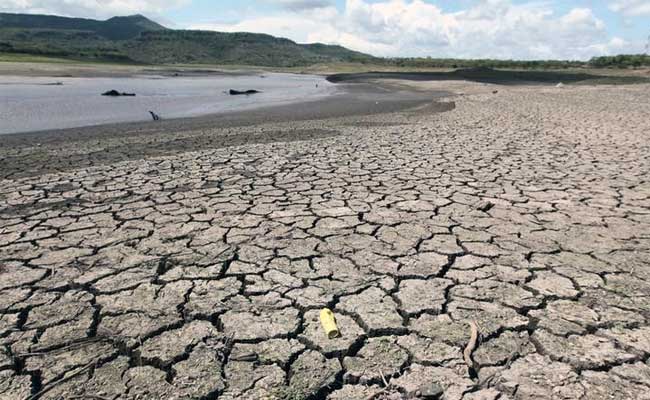
The anticipated impacts are widespread. Regions along parts of the Pacific basin could experience significantly wetter conditions, while Australia, Indonesia and much of Southeast Asia may face an elevated risk of drought. In the United States, El Nino can shift storm tracks southward, bringing wetter and stormier conditions to southern states and increasing the risk of coastal flooding in some areas. However, experts note that local outcomes can vary and no two El Nino events are exactly alike.
Perhaps the greatest concern is the effect on global temperatures. El Nino's warming influence often peaks months after the event reaches maximum strength, meaning its largest impact may be felt in 2027. As a result, scientists say 2027 could challenge global temperature records, with potential consequences for agriculture, water resources, coral reefs and fisheries around the world.
Despite the alarming forecasts, experts stress that there is no reason for panic. Climate outlooks can evolve as oceanic and atmospheric conditions change. Nevertheless, governments, communities and industries are being urged to prepare for the possibility of a powerful El Nino and the wide-ranging weather extremes that often accompany it.
Track Latest News Live on NDTV.com and get news updates from India and around the world

