NDTV's Defence Editor Nitin Gokhale tells the story of one of India's toughest battles- the Naxal insurgency
NDTV's Defence Editor Nitin Gokhale tells the story of one of India's toughest battles- the Naxal insurgency
-
The Prime Minister has described it as India's greatest internal security threat. Left Wing Extremism has indeed emerged as a problem that needs to be tackled on social, administrative and security measures. Since the beginning of this year, the conflict in these areas has acquired serious dimensions.
-
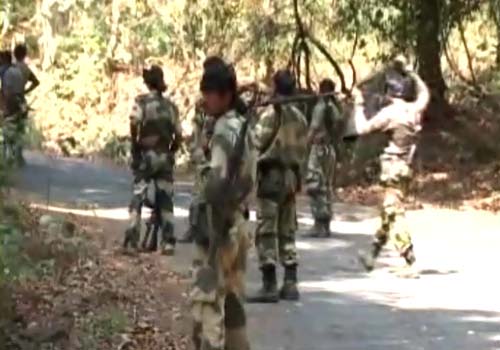
The CRPF in particular has been at the receiving end of the Maoists' fury. In three major attacks since April, over 100 CRPF personnel have lost their lives in the Dantewada-Bastar areas of Chattisgarh. The Maoists, who know the terrain better than the security forces, have used a combination of improvised explosive devices, landmines and direct ambushes to catch the CRPF on the back foot.
-
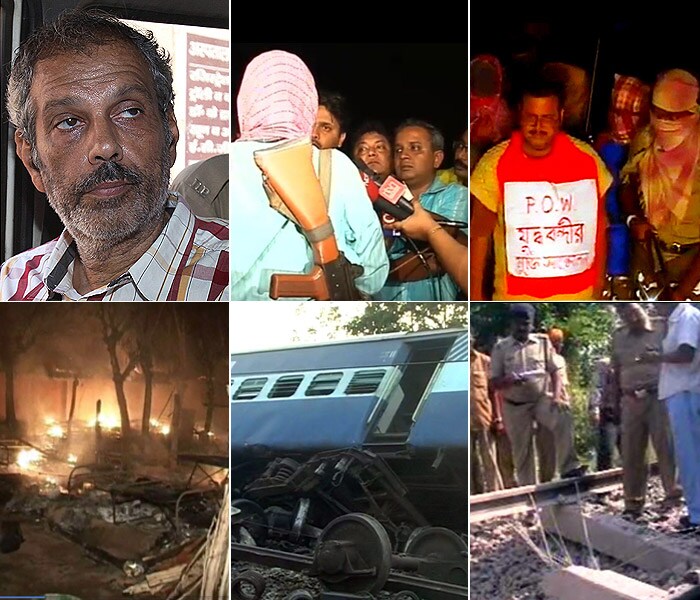
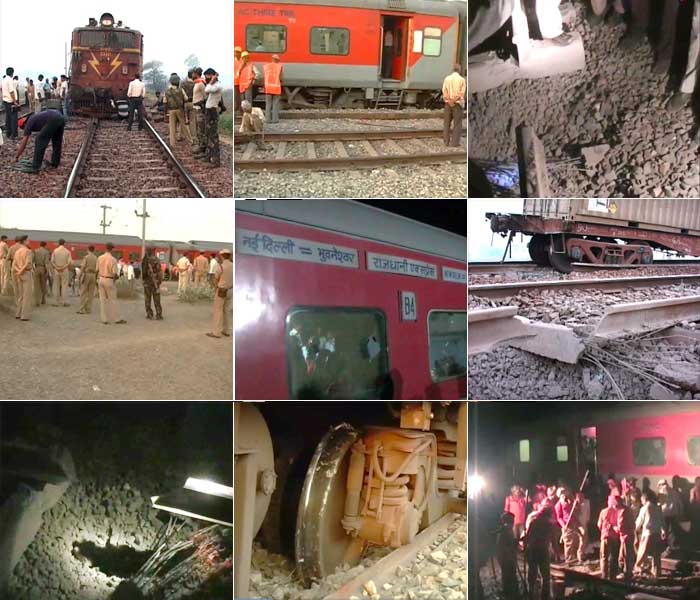
One of the favourite targets of the Maoists has been the Indian railways. In increasingly frequent attacks, the Maoists have targeted passenger trains in the West-Bengal-Jharkhand-Chattisgarh-Orissa belt killing several people in the process. The biggest attack came on the Gyaneshwari Express between Howrah and Mumbai. Over 140 people died in that accident triggered by the Maoists at Jhargram in West Bengal. The Maoists also attack villagers and kill poor, illiterate tribals for being police informers.
-
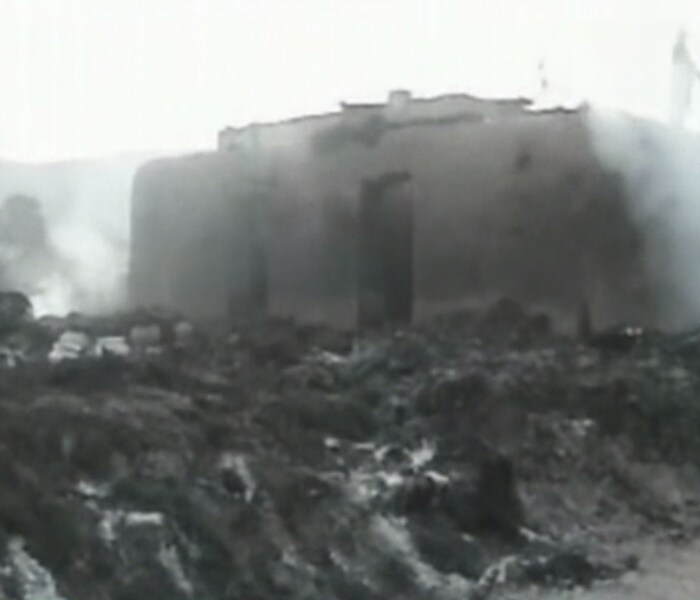
The Maoists attack not only national assets like the railways, they also blow up school buildings, primary health centres, mobile telephone towers and even vital bridges. Their other favourite target is the poorly-defended, and ill-equipped police and para-military camps in remote areas. Maoist leader Kishenji, the self-appointed spokesman of the group, kept insisting that these attacks were in retaliation to the Operation Green Hunt launched by the government. "We have attacked the camp and this is our answer to Chidambaram's 'Operation Green Hunt' and unless the Centre stops this inhuman military operation we are going to answer this way only," Kishenji said from an undisclosed location. The Centre was outraged by the brazen attack on policemen. In his statement, Home Minister P Chidambaram hit out at intellectual sympathisers of Maoists, "I would like to hear the voices of condemnation of those who have, erroneously, extended intellectual and material support to the CPI (Maoist)."
-
Attacks on the policemen apart, Maoists also took hostage, the drivers of a Rajdhani train and kept them in capitivity for over six hours in October 2009. The most daring abduction of course was that of a West Bengal policeman, Atindranath Dutta. He was abducted after an attack at the Sankrail police station in West Midnapore. Blindfolded and forced to sit on a motorcycle, Dutta was abducted by Naxals who said he would be treated as a prisoner of war. Dutta was released at a village near Lalgarh after a deal was struck with the State Government that allowed 14 jailed tribal women to walk free. They were among a group of 60 women in prison who the Naxals wanted released. Dutta's abductor, Naxal leader Kishanji, held a bizarre photo-op with the media just before releasing him. With his back towards the cameras, he rejected the Centre's conditions for talks, saying surrendering arms cannot be a precondition for talks. The day Naxals kidnapped Atindranath Dutta, they also shot dead police officer Dibakar Bhattacharya who was stationed at the same police station.
-
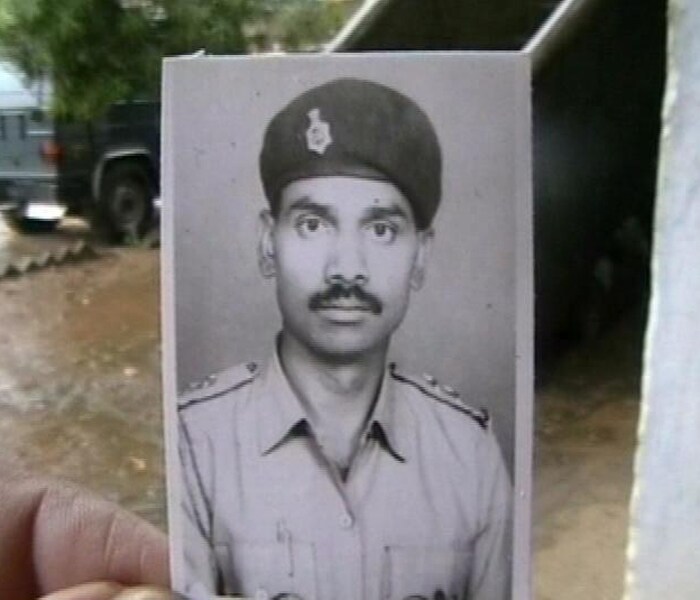
October 6, 2009: CID Special Branch Inspector Francis Induwar was killed days after he was abducted by the Naxals while he was shopping in a market in Jharkhand's Khunti district on September 30.Induwar's body was found on the Ranchi-Bundu Highway on October 6. His head had been severed from his body. Lying next to Induwar's body was a poster in red - a signed proclamation by the Naxals that the CID Inspector was "given the death sentence".
-
Security forces have had a mixed success in dealing with the Maoists in the past couple of years. Although many of them have lost their lives, they have also managed to weaken the top Naxalite hierarchy. The arrest of Kobad Ghandy,considered to be an ideologue of the CPI Maoists and the recent killing of Azad, a top Maoist leader in Andhra Pradesh has showed that the Maoists are not invincible. They will of course continue to have the advantage of choosing the time and location of ambushes against the security forces but this always happens in the initial phase of any insurgency. Classically, with time, security forces gain intelligence, expertise and an upper hand. The tide will take at least another couple of years to turn but turn it will in the State's favour, as history has shown time and again.