The Name Is Bond. Emo Bond. Robert Pattinson Inherits 007 With Feelings
The internet has already given the new James Bond a nickname. It is a joke, but it touches on the oldest question for the "cool" spy franchise: How much is he allowed to feel?
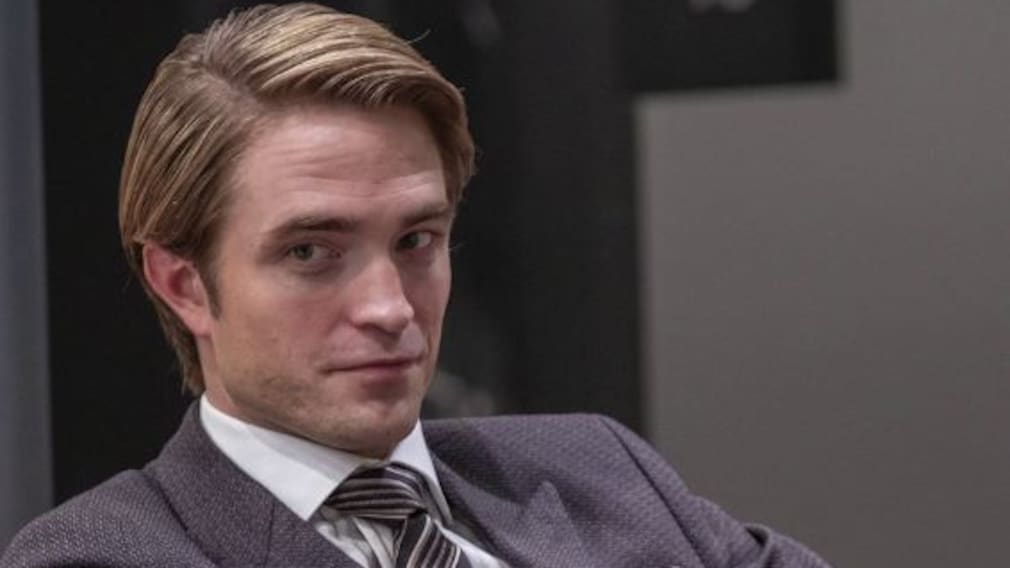
Shaken, not stirred, and a little sad. Or so social media expected the new James Bond to be, within hours of Robert Pattinson being named the seventh actor to play 007 in a movie expected in two years. A viral nickname was coined quickly, Emo Bond, riffing on the emotional roles that made him famous, spanning a pale, lovesick vampire of 'Twilight' and a brooding Bruce Wayne of 'The Batman'. Jokes have a funny habit of saying more than they seem to.
For six decades, James Bond has served as a pop-culture sketch of what a cool man is supposed to be, sometimes serious, sometimes self-aware, about how to dress and speak, treat women, and how much of the inner self to reveal. The franchise has never quite made up its mind on that last bit, which gives Emo Bond an opening.
Writer Ian Fleming, who created Bond in his thriller novels of the 1950s, had said he wanted Bond to be "an extremely dull, uninteresting man to whom things happened". The Bond of his books has been described as a thug in a Savile Row suit; in Fleming's words, "a blunt instrument" of the British government. But the books show him also falling for a woman, suffering heartbreak, even marrying at one time. Feelings kept creeping in, and every screen Bond since has had to decide how much of it to show.

The iconic image of Sean Connery shapes the James Bond franchise even today.
Read| James Bond Producer Furious With Amazon Over Franchise's Future: "F***ing Idiots"
Sean Connery, cast in 'Dr No' in 1962, showed almost none. A working-class Scotsman in reality, he was dismissed by Fleming as "an overgrown stuntman". In one scene, an assassin fires into what he thinks is Bond asleep under the sheets. Bond has been sitting in a chair all along. He lets the man empty his gun, notes, "That's a Smith & Wesson, and you've had your six," and shoots him without a flicker of anger or relief. Smith & Wesson is a type of pistol, in case you weren't cool enough to know.
Sociologists have a name for this shifting ideal of anything cultural. RW Connell, in her 1995 book 'Masculinities', called it "hegemonic masculinity", the most honourable way of "being a man" in a given age.
The first Bond to go for the feels did not last. George Lazenby, an Australian model with almost no acting experience, played Bond once, in 'On Her Majesty's Secret Service' (1969). In one scene, he broke the fourth wall and said, "This never happened to the other fella." In this one, Bond marries, and hours later his wife is shot dead beside him in their car. "We have all the time in the world," he tells a cop, cradling her body.
It was a risk to take that turn, as it came at a moment of great contradiction in American culture, and the money did not quite flow in as it had with Connery's take. These were the years of the hippies, and cool belonged to the long-haired young non-conformists who led anti-war protests. To that audience, a government assassin in a dinner jacket was the Establishment they were protesting again. Even the actor Lazenby agreed. He called Bond a brute and never played him again.
Connery returned once more.
Then came Roger Moore, a television star of easy charm who decided the whole thing was evidently ridiculous. Everyone knew this spy's name and favourite drink, he reasoned.
"Come on, it's all a big joke!" he said in an interview.

Roger Moore did not buy, or sell, the alleged seriousness of the character.
Read| Roger Moore, The Man Who Played 'Jimmy Bond'
Moore's act refined the series' trademark mix of slick action, acerbic wit, and chauvinist glamour. But when 'Star Wars' changed cinema, the producers shelved their planned next film and sent Bond into space. 'Moonraker' (1979) made huge money. By the 1980s, screen heroes had hardened, as had the world's politics, frustrated with the Cold War, so Roger Moore's self-effacing, jokey persona had run its course.
Timothy Dalton, a classically trained stage actor, was next. He played Bond as a tired, angry professional, perhaps much closer to Fleming's original "blunt instrument". He did show some conscience at a time when the world was on the cusp of moving beyond years of Communist-vs-Capitalist stalemate. The air was heavy, and the portrayal matched that, yet it did not last as its cultural relevance waned.
Pierce Brosnan restored some of the polish and the wink in the 1990s. By then the Cold War was over, and the character had started looking dated. In 'GoldenEye', Judi Dench's new M calls Bond a "sexist, misogynist dinosaur, a relic of the Cold War". Brosnan was self-aware, and his dashing style found its audience even beyond the US and UK. To newly liberalised economies such as India, he was the pinnacle of cool, flush with money, gadgets, and, offline, even as some 'pan masala' some years later.
A wounded spy with a heart had to wait his turn again.
Read| A Woman Could Play 007, Say Two James Bonds
In 2006, 'Casino Royale' broke through. Daniel Craig's 'James Blonde' bled, broke bones, and was tortured. He also mocked the old idea of cool to its face. Asked whether he wants his martini shaken or stirred, he snaps, "Do I look like I give a damn?" He fell in love and was wounded by it. After his beloved woman watches him kill two men, he finds her sitting fully clothed in a hotel shower, shaking with shock and grief. He does not make a joke. He sits down in the water beside her, still in his dinner suit, and holds her. Connery's Bond won't do that. Roger Moore's would have reached for a punchline. Craig's Bond tells her, "I have no armour left. You've stripped it from me."
The film scholar Janet Staiger wrote a popular essay on the film, 'The First Bond Who Bleeds, Literally and Metaphorically', and read it not as an action movie but as melodrama, a genre long dismissed as too feminine for heroes. Bond had crossed a line it had earlier touched and run from. Pain was the new cool.
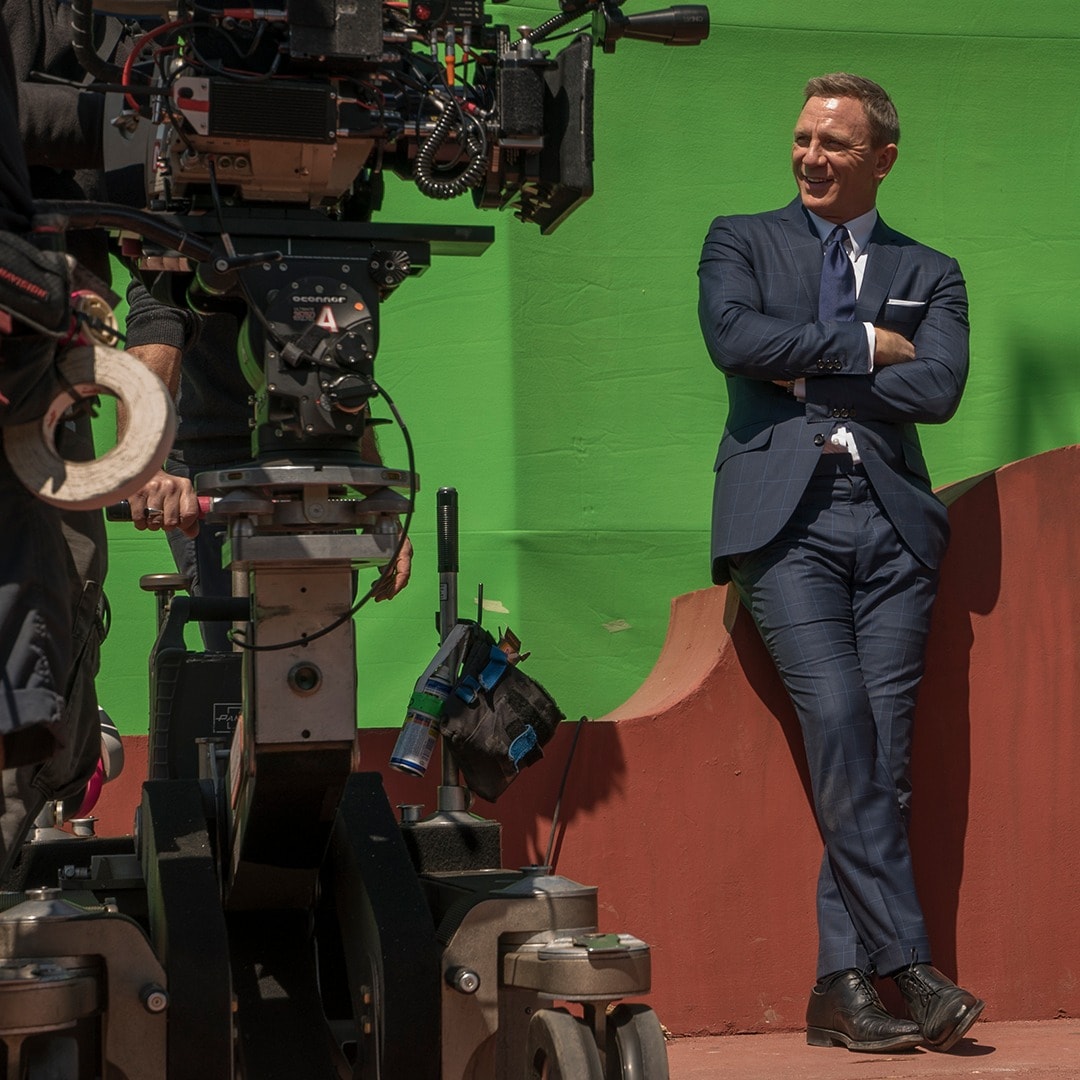
Daniel Craig had the body that could take pain, and a heart that could suffer some too.
'Skyfall' (2012) became the first Bond film ever to top $1 billion worldwide. Guinness rates it bigger than any earlier Bond, even after adjusting for inflation.
The Bond Girls, or women, changed too, from the 1962 movie's Honey Ryder (Ursula Andress) walking out of the sea in a white bikini, there to be looked at, to Daniel Craig's Bond who rose from the waves in swimming trunks in 2006. Craig himself is closest to a modern Honey Ryder, critics argued. By 2021, the women had stopped being trophies as Phoebe Waller-Bridge, the fourth-wall-breaking ‘Fleabag', was brought in to work on the script, and Lashana Lynch played Nomi, an agent who inherits the '007' number while Bond is away.
Janet Staiger, as a historian of American film and television, does not buy the idea that somehow the Bond franchise has become realistic as such. "I think what is producing this claim is a classic intertextual contrast with the prior Bond movies. 'Casino Royale' seems real in opposition to where the franchise has gone from its opening in 'Dr No', which seemed over the top even then," she wrote.
"The tactic of reducing the exaggeration and comedy of the other Bond films accelerates the ability to invest in the fantasy... This pretty boy [Daniel Craig's relatively real portrayal] offers another exemplary fallen-man story to cry over," she writes in her chapter in the critical-essay collection 'Feminism at the Movies' (2011).
Daniel Craig himself noted that one of his biggest reservations about the role had been the "construct of masculinity". He said it had often been laughable. But he did not turn to mocking it altogether. In his farewell 'No Time to Die' (2021), his Bond became a father who died for his family, and his last words carried an echo from the 1969 version: "You have all the time in the world." Emo much.
That's the version that Robert Pattinson inherits.
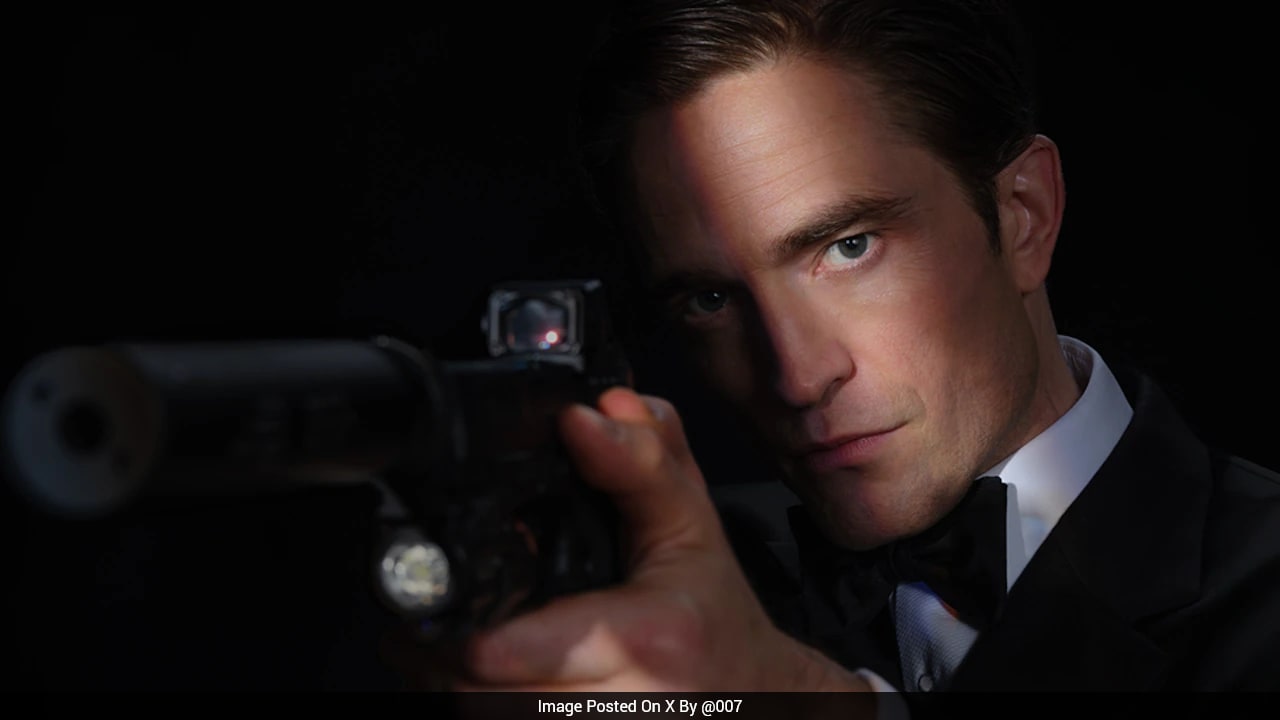
Pattinson avoided the lover-boy image trap and now headlines two of the biggest movie series in the world.
The interesting question is what kind of feeling comes next. In 2012, at 26 and still the 'Twilight' vampire, he was asked whether he might play Bond in 10 years. "More like 20 years," he said then. He got there in 14.
Even on 'Twilight', he had gone against the studio's fear of making things a little bit too emo. He then spent a decade in smaller, odder films, such as 'The Lighthouse' (2019), usually playing desperate or damaged men. He returned to blockbusters only in this decade. As Batman in 2022, he moved away from the playboy version of Bruce Wayne. But therein is the real puzzle of this casting.
James Bond may be many things, but he is certainly a playboy, say, flamboyant. Daniel Craig, for all his broken heart, never lost the swagger. The risk is that Pattinson may move so inward that he stops being fun.
-
The Hidden 'Water Cost' Of Agriculture: Comparing India With Major Economies

Traditional flood irrigation, which remains common across Indian farms, is a major reason. It has a water-use efficiency of just 35-40 per cent.
-
Blog | DPS MMS To Instagram: The Cost Of Irresponsible Men
On International Men's Day, it is worth having a conversation that isn't always comfortable for men.
-
Real-Life Mirzapur? Story Of UP's Tiwari Haata That Akhilesh Yadav Visited
The Samajwadi Party chief's pit stop at the Tiwari Haata in Gorakhpur carried considerable political significance ahead of the UP elections
-
Buying Property For Investment? 6 Factors To Check Beyond Price
For anyone buying property as an investment, the real question is not simply how much the property costs. It is how much money it can generate.
-
Is Buying Home In A Small Town Smarter Than In A Metro? Here's The Math
According to Knight Frank's H1 2026 Affordability Index, the EMI-to-income ratio stood at 69% in Mumbai and 67% in the National Capital Region.
-
Samajwadi Seat Talks: The UP-Size Gap Between Congress' Rhetoric and Reality
UP Election 2027: Seat-sharing negotiations are rarely easy. More so when they involve a regional force determined to guard its turf and a national party desperate to regain lost ground.
-
Cyber Outages: The Attack That Has No Name
Banks, flights and the world's office mail failed four times in five days, each time without an attacker. The world spends $247 billion a year on locks
-
Buy A Plot Or Flat? What Homebuyers In Tier-2 Cities Should Consider
Plots may offer greater flexibility, but apartments remain a more straightforward route to homeownership for many buyers.
-
Opinion | Sonia Gandhi, And The Weight Of The Things Left Unsaid
"You must know, Sonia beti, that in this country it is not what you are that counts, it is what people think you to be," someone said to Sonia Gandhi when she first arrived in India. Decades later, she tries to bridge the gap between what she is and what people have always thought her to be.