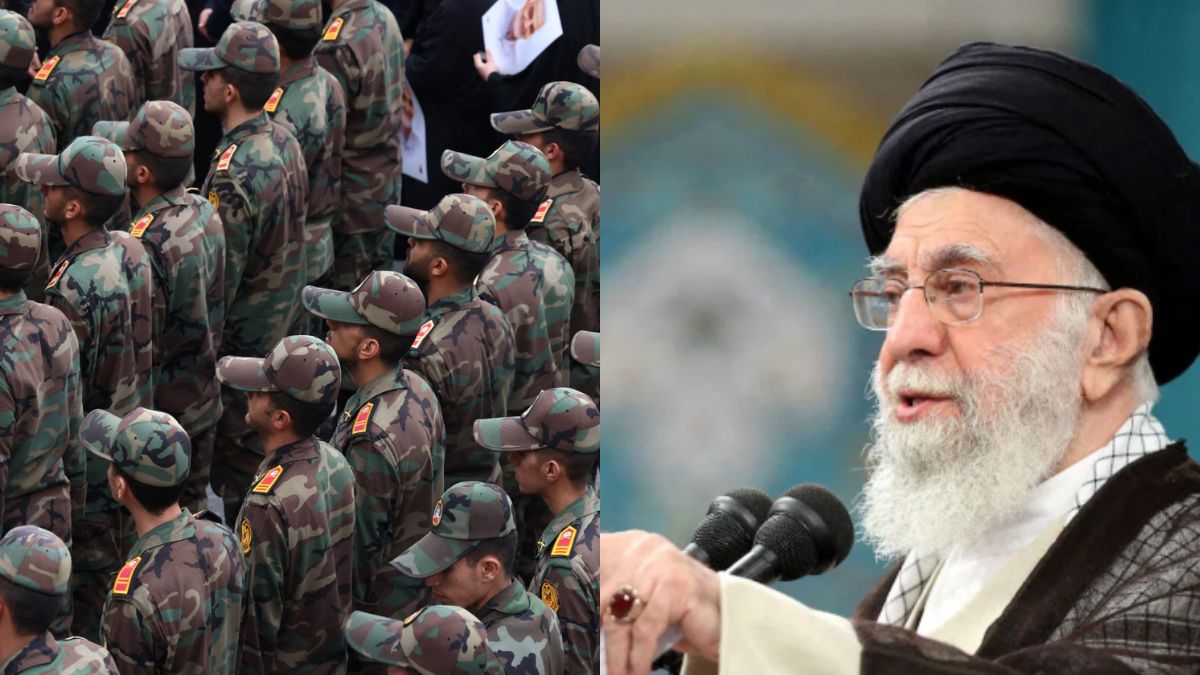

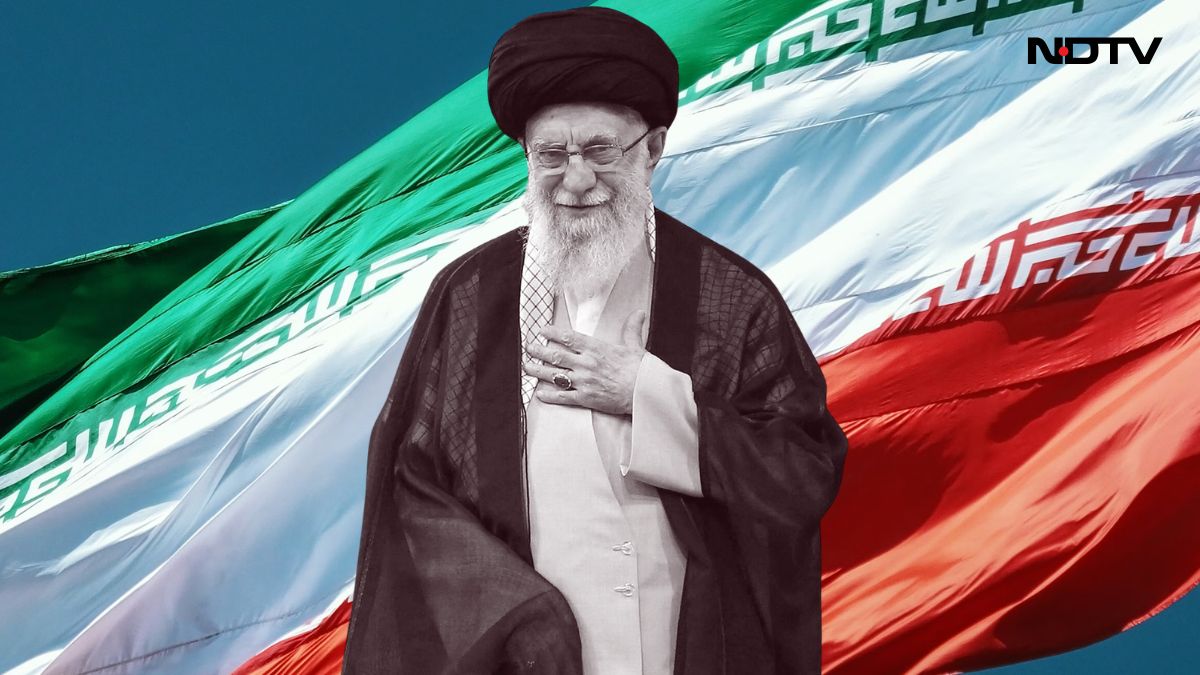
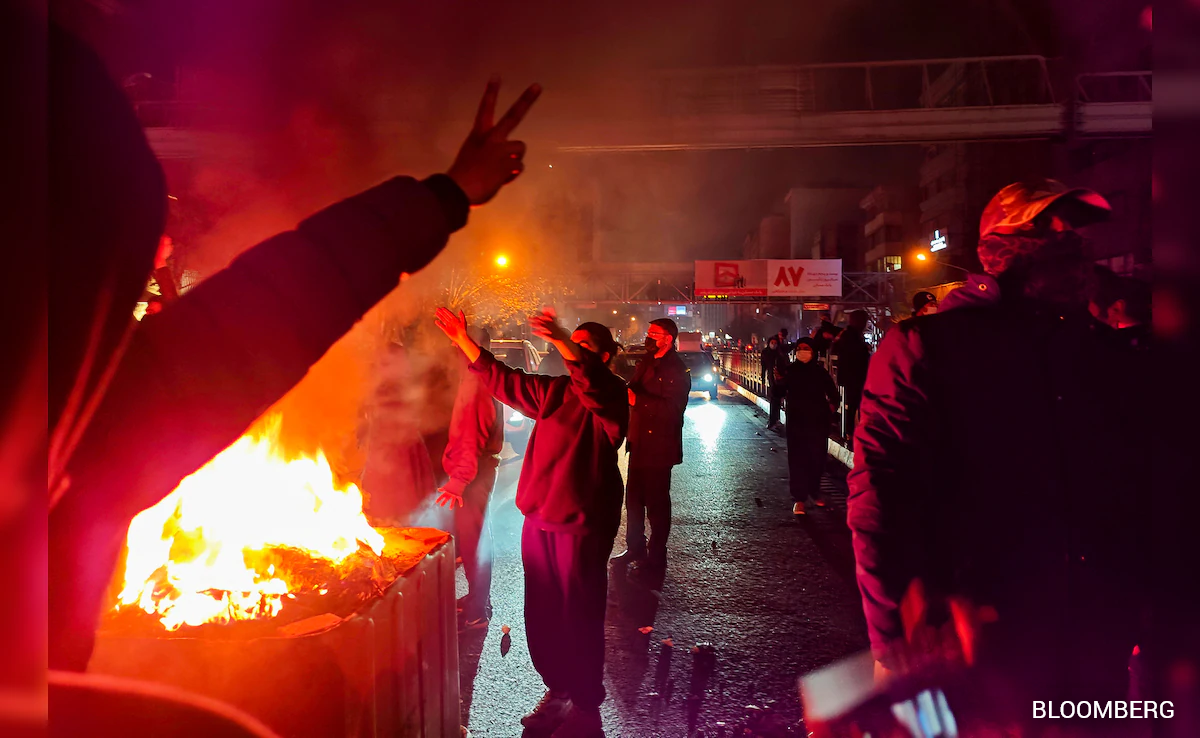

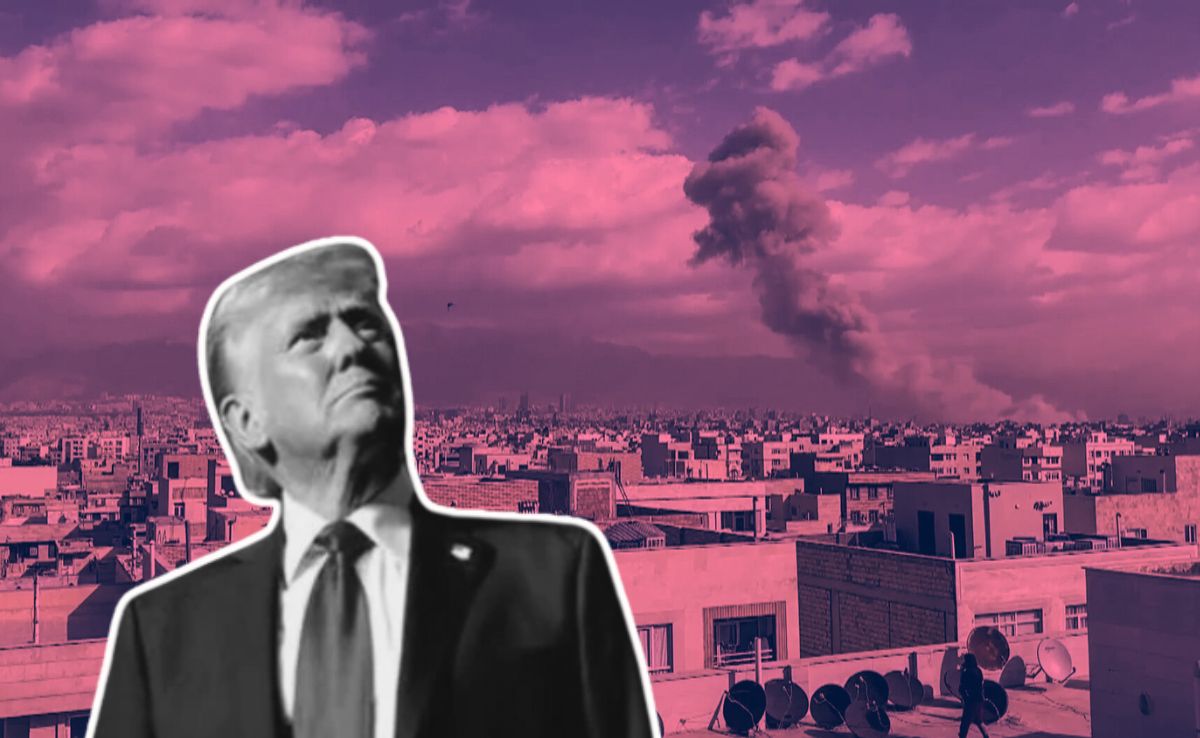





Following the Israel-US strikes on Iran on February 28 under 'Operation Epic Fury', Tehran launched a large-scale retaliatory campaign titled "Operation Truthful Promise IV". Among its targets were several Gulf states, including the UAE. Missile and drone strikes on Dubai and Abu Dhabi were particularly severe.
Iran has sought to justify its actions by arguing - at the UN in New York - that states hosting US military assets are "legitimate targets". Citing facilities such as the Al Dhafra air base in Abu Dhabi, Tehran warned that any country allowing its territory to be used for attacks against Iran would be held responsible.
However, these attacks, reportedly among the most extensive Iran has ever conducted, have extended beyond military facilities to economic and civilian infrastructure, resulting in casualties and injuries. While the strikes reinforce concerns about Iran's destabilising regional posture, contributing to regional instability, they must be understood within a broader geopolitical and bilateral context.
Historical Baggage
A longstanding territorial dispute continues to cast a shadow over UAE-Iran relations. The islands of Abu Musa, Greater Tunb and Lesser Tunb, located near the strategically vital Strait of Hormuz, were occupied by Iran in 1971 shortly before the UAE's formation and remain under Iranian control. The issue remains an enduring irritant in bilateral ties.
Iranian attacks on the UAE are not unprecedented. In January 2022, Iran-backed Houthi forces launched "Operation Hurricane Yemen", targeting oil infrastructure and the Abu Dhabi International Airport. Three civilians were killed, including two Indian nationals. The damage, however, was contained.
Following the Saudi-Iran rapprochement in 2023 mediated by China, UAE-Iran relations experienced a diplomatic thaw. Full diplomatic relations were restored, security consultations resumed, and economic delegations were exchanged. Economic engagement and de-escalation appeared to define the trajectory - until now.
Signalling To Washington and Tel Aviv
Iran's strikes on the UAE can also be interpreted as indirect signalling toward Israel and the United States. The UAE has emerged as one of Israel's closest regional partners since the 2020 Abraham Accords, particularly in trade, technology, and security cooperation. While Egypt and Jordan maintain long-standing peace treaties with Israel, the UAE's relationship is characterised by rapidly expanding economic, diplomatic, and strategic strengthening.
The UAE is officially designated a Major Defence Partner of the United States - a unique status shared only with India - facilitating deep military-to-military cooperation. Approximately 3,500 US personnel are reportedly stationed in the UAE, primarily at Al Dhafra air base. The UAE's reputation as "Little Sparta" reflects its record of participating alongside US-led coalitions, including in Afghanistan, and its advanced military capabilities.
Since the October 2023 Hamas attacks, some regional observers have characterised the UAE's posture toward Israel as cautious or "soft", particularly compared to the broader Arab public sentiment. The UAE condemned Hamas' actions as a grave escalation but did not suspend normalisation with Israel. Diplomatic relations have continued despite the prolonged Israeli military campaign in Gaza and the mounting Palestinian death toll, which has reportedly exceeded 72,000. From Tehran's perspective, striking the UAE serves multiple objectives:
- Signalling deterrence to the regional partners of the US
- Undermining normalisation with Israel
- Pressuring Gulf states to distance themselves from Washington
Economic Self-Harm?
Iran's actions also risk significant economic blowback.
The UAE has consistently ranked among Iran's top three trading partners. In 2025, bilateral non-oil trade reportedly reached $7.5 billion. Dubai has historically functioned as a re-export hub, facilitating Iran's access to sanctioned Western goods and technology. Jebel Ali, where one berth was damaged by Iranian attacks, has been a key port. Approximately 8,000 Iranian traders and firms are registered in the UAE, and Iranian-owned assets in the country are estimated to exceed $300 billion.
Escalation jeopardises this economic lifeline. Sustained attacks on the UAE could disrupt trade channels critical to Iran's sanctioned economy. In this sense, Tehran's military signalling may carry high economic costs.
The UAE's Strategic Balancing
The UAE has consistently criticised Israel's conduct in Gaza, highlighted the high civilian toll, and advocated a two-state solution. It has emerged as one of the largest providers of humanitarian assistance to Gaza. While maintaining normalisation with Israel, Abu Dhabi has warned that annexation of the West Bank or forced displacement of Palestinians would constitute a "red line". The UAE is also a prominent member of President Trump's Board of Peace.
The UAE has also emphasised that its territory and airspace cannot be used for offensive operations against Iran. Gulf states have generally urged restraint and diplomacy, criticising both Israeli-US strikes and Iran's retaliatory attacks.
Militarily, the UAE remains well-defended. Its advanced systems - including THAAD and Patriot PAC-3 missile defences - have helped protect infrastructure and civilian populations. Abu Dhabi's message to Tehran has been clear: "Your war is not with your neighbours".
What This Means For India
The crisis has direct and indirect consequences for India. Approximately 4.5 million Indians reside in the UAE, constituting nearly 40% of its population. Dubai and Abu Dhabi serve as major tourist destinations and transit hubs for over 5.5 million Indian travellers annually. Airspace closures and airport disruptions have stranded thousands of Indian nationals. Several Indian airlines have been forced to cancel or reroute flights. PM Modi spoke to the UAE President on March 1 to convey solidarity with the UAE and thanked him for taking care of the Indian community. Prolonged instability would have economic, logistical, and consular implications for New Delhi. Given India's strong ties with both the UAE and Iran, de-escalation is firmly in its strategic interest.
Iran's attack on Dubai and Abu Dhabi is not merely retaliatory; it is strategic signalling embedded in broader geopolitical competition. It's reflective of several things: deterrence messaging to the United States, the pressure over normalisation with Israel, longstanding bilateral grievances, and regional power projection.
Yet the move carries risks - economic, diplomatic, and reputational - for Tehran itself.
For the Gulf states as well as external stakeholders such as India, the priority remains preventing a wider regional conflagration. Escalation would imperil trade flows, diaspora communities, and the fragile diplomatic architecture of the Middle East.
(The author was Ambassador of India to the UAE)
Disclaimer: These are the personal opinions of the author


