





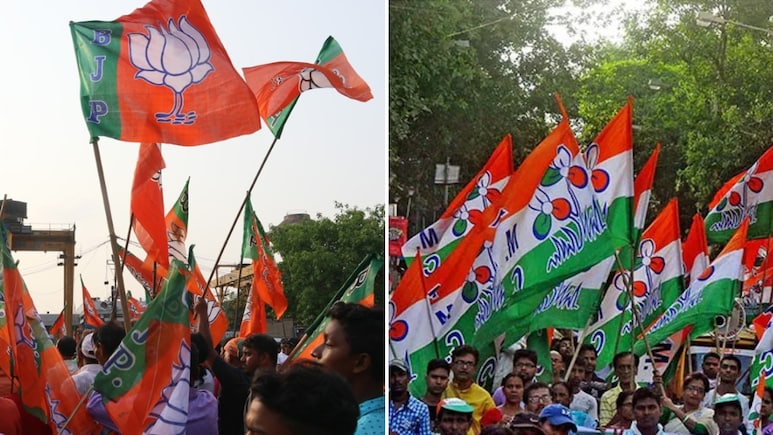
The battle for Bengal - a do-or-die contest between the ruling Trinamool Congress and the challenger BJP - has turned out to the most riveting one this this round of elections in four states and the Union Territory of Puducherry. Bengal has long eluded the BJP - not only will it complete the party's penetration in eastern India - Bihar and lately Odisha already being under the party's belt -- it would also deliver a crushing blow to the Opposition bloc, where Chief Minister Mamata Banerjee is a key pillar.
A victory in Bengal will also open the BJP's path to a crucial chunk of Lok Sabha and Rajya Sabha votes -- a factor the BJP can no longer ignore after the crushing defeat of the Woman's Reservation Bill.
Even in 2021, the showdown in Bengal -- with the entire electoral might of the BJP ranged on one side and the emotive power of the Trinamool that went down to the grassroot level on the other, had every eyeball glued on television sets on the result day.
But this time, the unpredictability of the outcome has been ratcheted up manyfold by the deletion of 91 lakh voters from the rolls by the Election Commission. While some of them eventually made it back, the final figure of the deletions - 11.8 per cent of the electorate -- is too close to the Trinamool's 10 per cent victory margin of 2011.
SIR Voter List Deletions
The SIR data, though not available for every constituency, it certainly reflects in terms of districts and the list make sit clear that the Trinamool-majority areas, especially those where the winning margin is slim, have suffered the most. But that said, even at this point, no one has any clear idea how it might affect the outcome.
Chief Minister Mamata Banerjee, a quintessential streetfighter, has issued a masterstroke at the eleventh-hour, flipping her 2011 slogan "Badla Noy Badal Chai" (Change not Revenge).
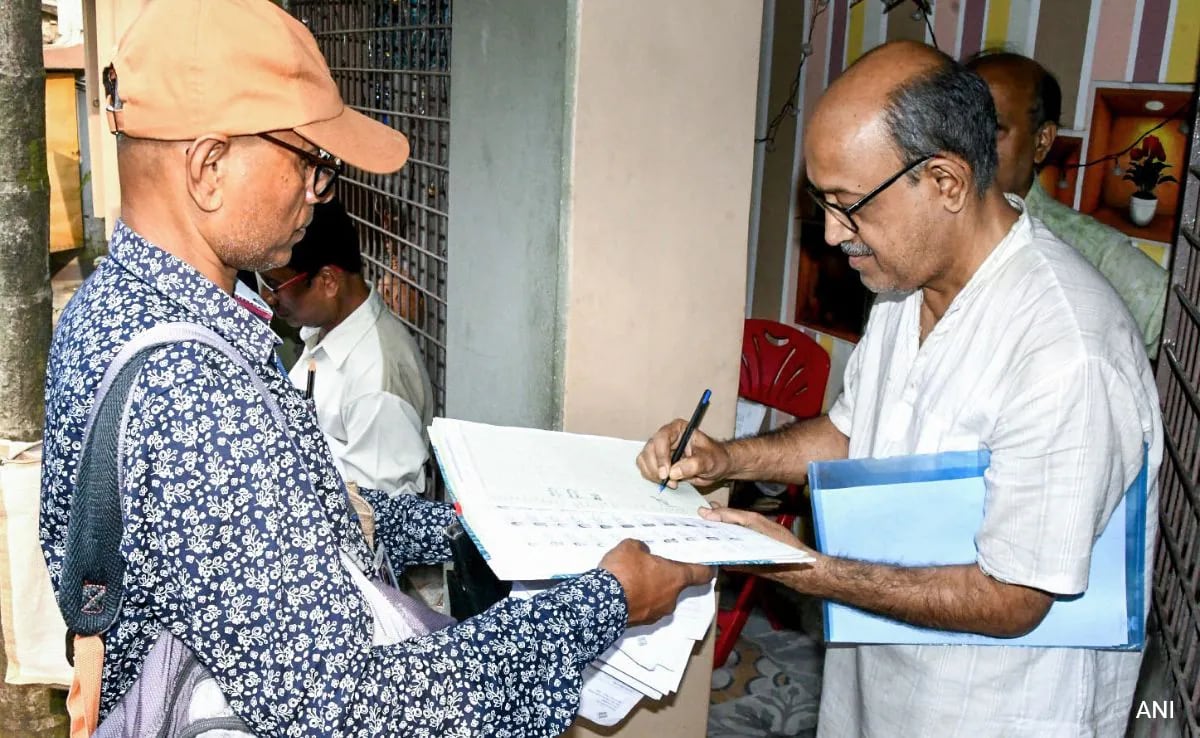
This time it is "Badal noy Badla chai (Revenge not Change)" - a clarion call to the families of voters whose relatives' names got deleted. The message is crystal clear, with the BJP going with her 2011 call of "Parivartan (change)".
The outcome was reflected in the historic turnout figure - 92-plus percentage.
While much of this was panic voting, with migrants from every corner of the country coming home to vote and register their presence as residents of the state - the revenge factor has also loomed large with thousands of families saying their relatives were deleted from the list though they were born and brought up in the state.
State Freebies And Anti-Incumbency
Much of Trinamool's support come from its welfare measures, locally dubbed "Sree-s" - Kanya Sree, Rupasree, Yogya Sree, Yuva Sree, Sabujsree and many more. There are schemes to cover practically every aspect of life from birth to death and cremation.
There are schemes to give saplings to every baby, assistance for girl students - money and bicycles - funds and credit card for higher education, purchase of tablets and smartphones for students, short-term skill training, free training centers for SC/ST students for competitive exams, financial assistance for wedding of daughters, flagship family health insurance scheme Swasthya Sathi, pension schemes for senior citizens of Scheduled Caste and Tribes, social security for workers in unorganised sectors and even financial assistance for the poor to meet cremation or burial expenses.
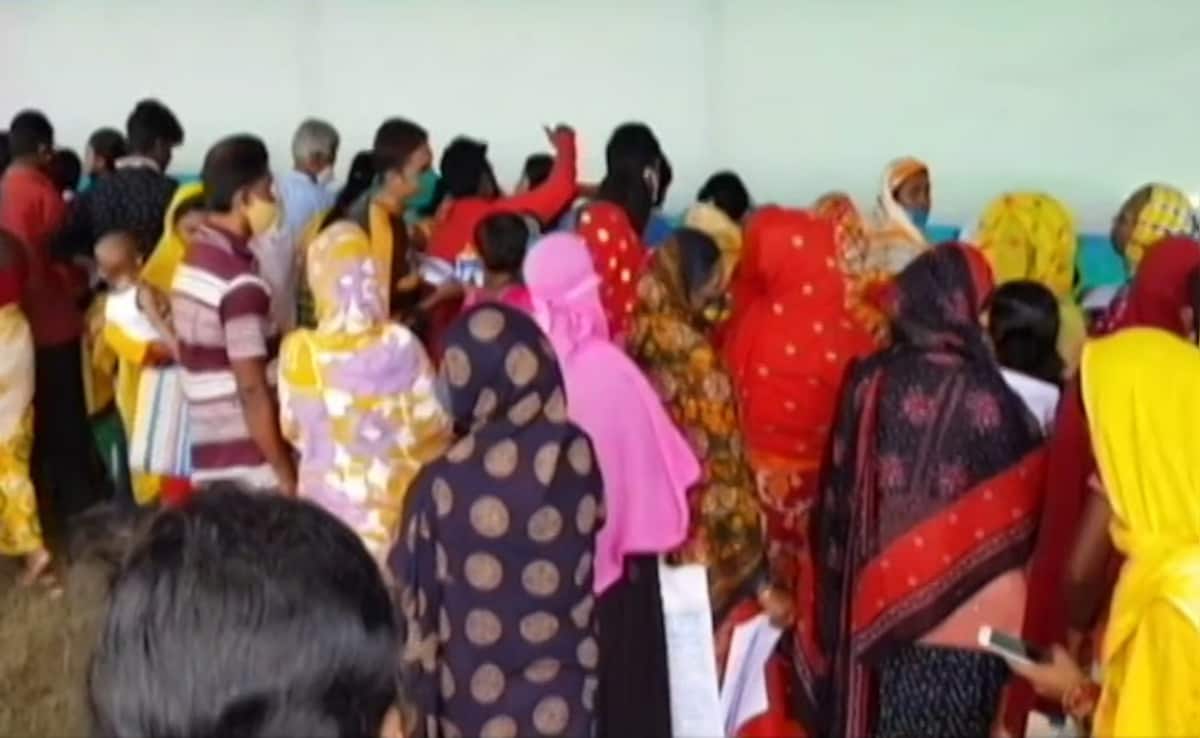
The most popular of these is Lakshmir Bhandar - a monthly financial assistance of Rs 1,500 to women of limited means -- which, while it often goes to bolster household expenditure, have given women a taste of independence and a new-found confidence.
But 15 years of these schemes have also stirred up a backlash of sorts, especially among the young people, who say they would rather have jobs than handouts from the state.
What has especially gone against the state government is its failure to industrialise - which ironically had catapulted Banerjee at the helm in 2011. It was her agitation against forcible land acquisition in Singur and Nandigram that had put a stop to the Left Front's fledgling move to reinvent itself through industrialisation and led to the Nano's flight to Gujarat.
The other big failure is massive corruption in teaching jobs that pushed the courts to cancel the appointments of over 25,000 teaching and non-teaching staff due to a fraudulent recruitment process.
Corruption
Starting with the Sarada ponzi scam that allegedly ran with political patronage and Narada sting operation that caught high-ranking Trinamool leaders accepting bribe on camera, corruption has remained a perennial issue in Bengal.
In this election, the big issue is allegations that corruption at every level has sparked and consolidated a "cut-money" culture - a situation that the BJP has promised to remedy. The allegation is that money is skimmed off at every stage not just from development funds but also from welfare funds.
Trinamool leaders at the municipal and panchayat levels have faced public anger in the districts of Birbhum, Cooch Behar, Jalpaiguri, Burdwan, Malda, Purulia, Nadia, Kolkata, West Midnapore and Bankura.
There were allegations of bribery against Trinamool Rajya Sabha lawmaker Santanu Sen, who denied the accusation as "baseless".
Chief Minister Mamata Banerjee has warned leaders that those involved in taking "cut money" from government schemes and other corrupt practices will be put behind bars but little action has been seen on the ground.
Infiltration
One of the big BJP narratives is infiltration from Bangladesh through the state's porous borders - especially in the Chicken's neck Siliguri Corridor -- and the alleged subsequent absorption of these infiltrators into the voters' list by the state government.
A recent White Paper by the BJP has accused the Trinamool of running syndicates to facilitate the issuance of fake identity cards to infiltrators in order to build "vote banks", compromising national security and demographic balance in the process. Locals in north Bengal have complained about infiltration stretching thin resources.
This issue is also deeply intertwined with the voter list revision, with critics saying the Election Commission exercise was needed to weed out these fake voters.
Mamata Banerjee has claimed that handling infiltration is the duty of the Centre since it is the Central forces who are in charge of security in border areas.
Women's Safety
The issue of women's safety had loomed large when the Left Front government was on its way out. Mamata Banerjee had ensured that it stayed in the headlines and now the BJP is pulling a page out of her book to ensure that the rape murder at Kolkata's RG Kar hospital, Sandeshkhali sexual abuse, the Kamduni rape case and others like it, are not forgotten.
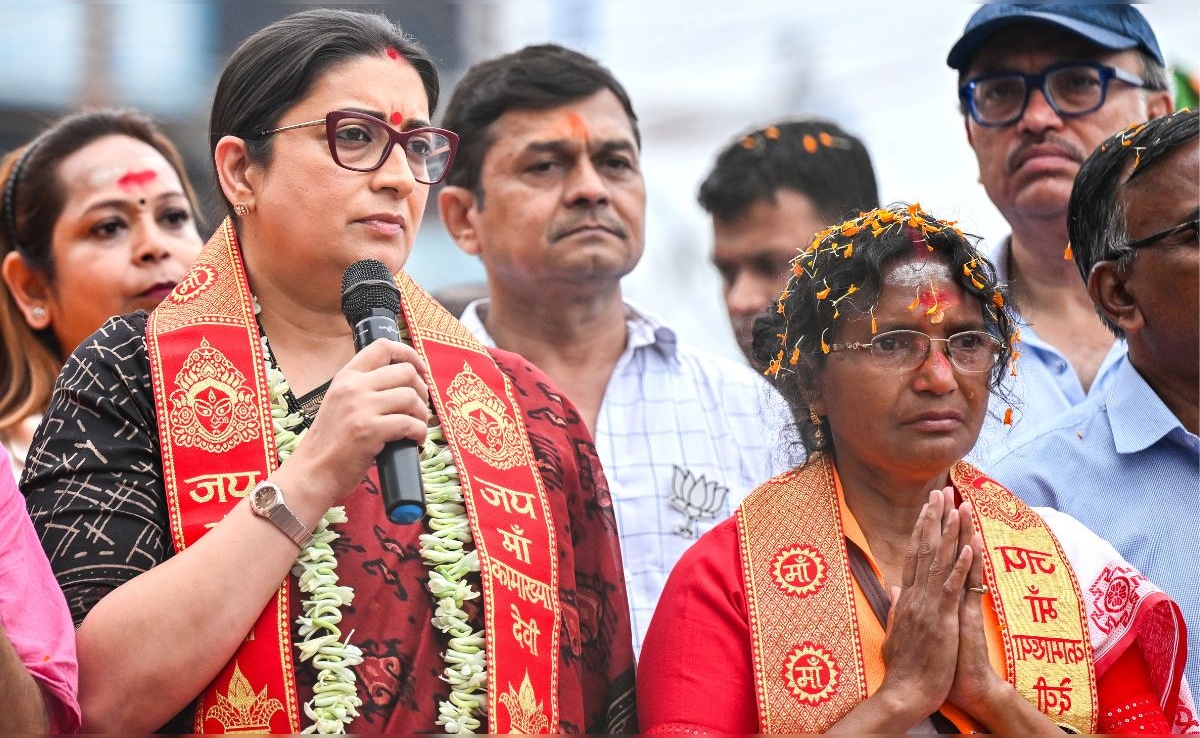
While every leader from Prime Minister Narendra Modi to Amit Shah and Ami Malviya make frequent mentions if it while slamming the state government over law and order issues, the BJP has also fielded the mother of the RG Kar victim from Panihati and keeping her in the forefront of women's security issue.
Fish
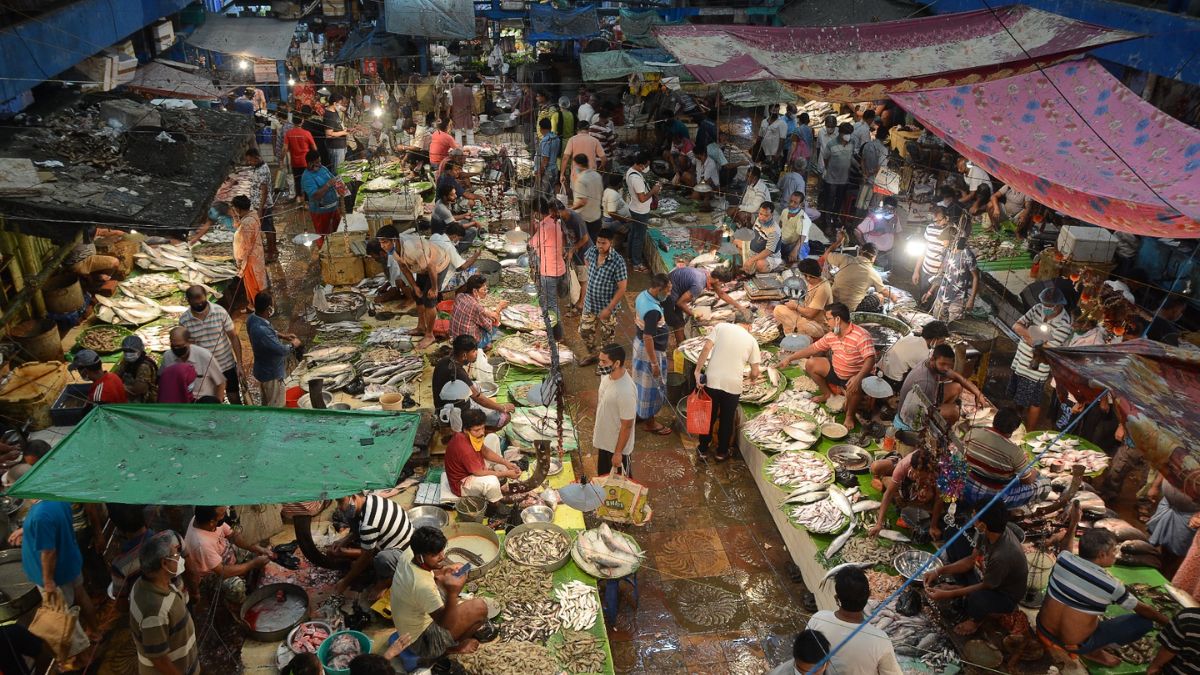
For the first time in Bengal polls, food habits have become an issue, with special focus on fish. The influence of north Indian politics has brought an emphasis on vegetarianism versus non-vegetarianism - food choices that were never an issue in Bengal. Candidates were seen canvassing holding fish in an attempt to dispel the Trinamool narrative that the BJP, if they win, won't allow Bengalis to eat fish.
The Trinamool also points to the instances of people being beaten to death in other states by cow protectors and the move of several BJP-led state governments to ban or restrict the sale of meat.
"They (BJP) won't let you eat fish. You can't have meat, you can't have eggs, you can't speak in Bengali. If you do, you will be tagged as a Bangladeshi," Mamata Banerjee has claimed in an extension of the outsiders-versus-insiders debate, with her Trinanool Congress highlighting the Bengali identity and the BJP asserting it is not against the state's inherent culture.
After losing the cultural debate back in 2021, this time, the BJP campaign is being managed more strategically, with the party fielding sons of the soil - a charge that's being led by Suvendu Adhikari - while Central leaders Bhupender Yadav (Election In-charge for West Bengal), former Tripura Chief Minister Biplab Kumar Deb, Sunil Bansal, and Mangal Pandey manage the campaign from the backroom.
BJP Bengal President and Rajya Sabha MP Samik Bhattacharya has said there is no possibility of the sale or consumption of fish being banned. "Swami Vivekananda said that Maa Kali will eat mutton. All Bengalis and Biharis will eat mutton. If anyone comes to stop me, I will crush them," he has declared.
Track Latest News Live on NDTV.com and get news updates from India and around the world

