





The slowing of India's economic growth to a 15-month low of 6.7 per cent in the April-June quarter was due to "lower" government spending in the wake of the enforcement of the model code of conduct for the recent Lok Sabha polls, RBI Governor Shaktikanta Das said on Saturday.
The RBI had projected a growth rate of 7.1 per cent for the April-June quarter of this fiscal.
"The Reserve Bank projected a growth rate of 7.1 per cent for the first quarter. However, the first advance estimation data released by the National Statistical Office showed the growth rate at 6.7 per cent," Governor Das said.
The components and main drivers responsible for the GDP growth like consumption, investment, manufacturing, services and construction have registered a growth of more than 7 per cent, he said.
-

-
 Best Of NDTV World Summit 2026 | Defining Conversations, Big Ideas
-
 PM Modi Says 'Parasite' Congress Hurts 'Honest' Dissent Movements
-
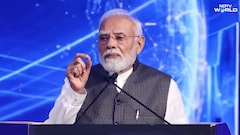 "Some Dreaming Of Disorder": PM Modi's Dig At Rahul Gandhi
-
 PM Modi Highlights India's Firsts: Fast Breeder Reactor, Hydrogen Train, Asian Games Medals
-
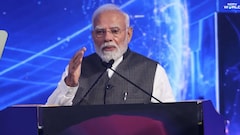 "UN's Limits Clearly Visible": PM Modi Presses For 'New Solutions' At NDTV Summit
-
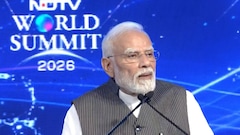 "World That Relied On India's Brainpower Now Trusts Its Mindpower": PM Modi
-
 Non-Oil Trade With India Went Up 50% In 3 Years: UAE Minister At NDTV Summit
-
 "Some Dreaming Of Disorder": PM's "Failed Product Of Congress" Jibe At Rahul Gandhi
-
 'Viksit Bharat Not Just For Us': PM Modi's Top Quotes At NDTV World Summit
-
 Has Indian Cuisine Arrived At The Global Stage? What Vir Sanghvi Believes
Only two aspects have pulled the growth rate slightly down. Those are—government (both central and state) expenditure and agriculture, the RBI governor pointed out.
He said the government expenditure was low during the first quarter perhaps due to elections (April to June) and operation of model code of conduct by the Election Commission.
"We would expect the government expenditure to pick up in coming quarters and provide the required support to growth," Mr Das said.
Similarly, the agriculture sector has recorded a minimal growth rate of around 2 per cent in the April to June quarter. However, the monsoon was very good and spread all over India except a few areas. So, everyone is optimistic and positive about the agriculture sector, he noted.
"Under these circumstances, we have reasonably confident expectations that the annual growth rate of 7.2 per cent projected by the RBI will be materialized in coming quarters," the governor asserted.
Das said that GST, inflation targeting framework and Insolvency & Bankruptcy Code (IBC) are the three major reforms made during the past 10 years.
Addressing a national conference of chartered accountants (CAs) here, he said, “The primary functioning of the RBI, as defined in its preamble, is to maintain price stability, while keeping in mind the objective of growth. This was a major structural reform made by the government in 2016 by amending the RBI Act.” With this amendment, the RBI is mandated by the law to maintain the price stability with keeping the inflation at 4 per cent, with a leeway of 2 percentage points on either side, he said.
When Covid hit, the RBI reduced the repo rate by 250 basis points. Similarly, after the Ukraine war started, due to various international factors and some domestic weather events, the inflation rose to 7.8 per cent. So, at that time, the central bank had quickly increased the interest rate, he pointed out.
Stating that quality of audit in any organization is very important Das advised the CAs to do a true diagnosis of the health of a company like doctors.
(Except for the headline, this story has not been edited by NDTV staff and is published from a syndicated feed.)
Track Latest News Live on NDTV.com and get news updates from India and around the world

