





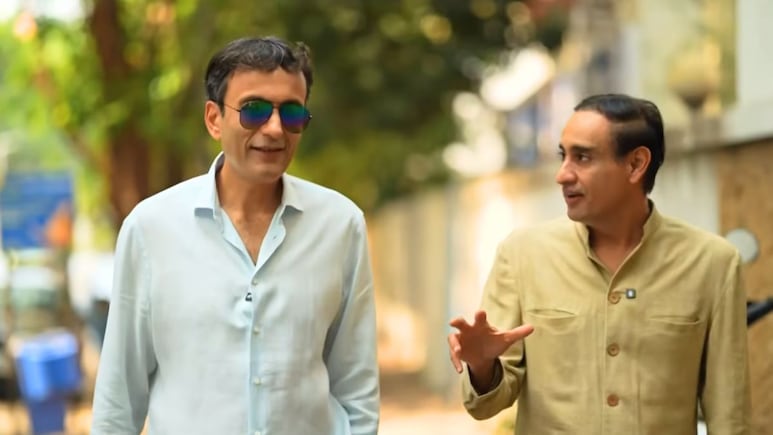
- Ruchir Sharma says West Bengal's election gap may close but full flip is rare in one cycle
- Economic growth does not guarantee re-election for chief ministers, Sharma says
- Elections in India focus more on identity, appeasement, and cash transfers than development, he says
The question about West Bengal's election on who would win and whether the gap would flip is central to the two-phase assembly election, according to top investor and author Ruchir Sharma.
While the gap will close, whether it closes enough for a full flip in a single election cycle is a different question, Sharma told NDTV Editor-in-Chief Rahul Kanwal in 'Walk the Talk'.
"It has happened, but is very rare in India's electoral history for a 10 percentage point gap between two parties to be overcome within one election cycle," Sharma said in Kolkata ahead of the second phase of the assembly election.
In a study of state elections over the past four to five decades, Sharma has examined every chief minister who presided over economic growth of 8 per cent or more in per capita income terms during their tenure. But did that growth rate improve their chances of re-election?
Sharma said the expected answer in most countries would be "yes", that incumbents who deliver growth get rewarded, but it did not hold in India.
"We found that it was still a 50-50 case. Even with 8 per cent economic growth, the chances of a chief minister being re-elected was 50-50, not that different from what the natural average is anyway," Sharma said.
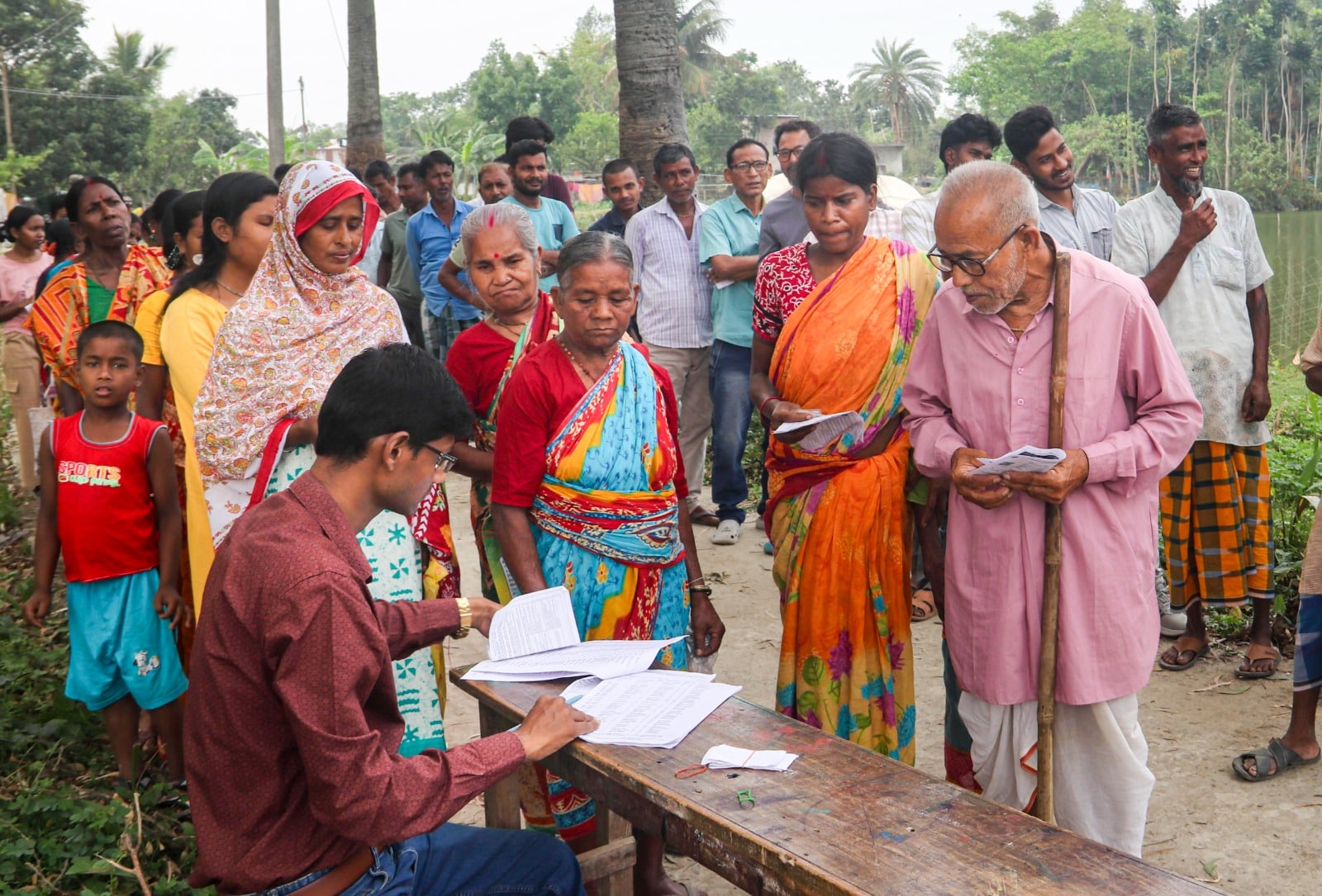
This shows economic performance by any conventional measure is disconnected from electoral outcomes in India. "It's partly a cynicism in Indian politics that economic growth doesn't win you elections," the ace public policy analyst said, adding the things that fill the vacuum are identity, grievance, appeasement, infiltration and increasingly the direct transfer of cash into voter accounts ahead of polling day.
In Bengal, the key issues are the special intensive revision (SIR) exercise, "appeasement" and concerns about infiltration. "I don't see any great sort of concrete agenda by either side on what they're going to do for the development of this state. In India, unfortunately, elections are not fought on development," he said.
Bengal's per capita income rankings have slipped over decades and continues to languish among the lowest in India. "We could really see the backwardness in places like Murshidabad. It's one thing to see the data. Nothing has changed."
The Mamata Banerjee government has moved funds to voter accounts in a "tactic" that Sharma traces to the Madhya Pradesh assembly election in 2023, which has since spread to nearly every state government.
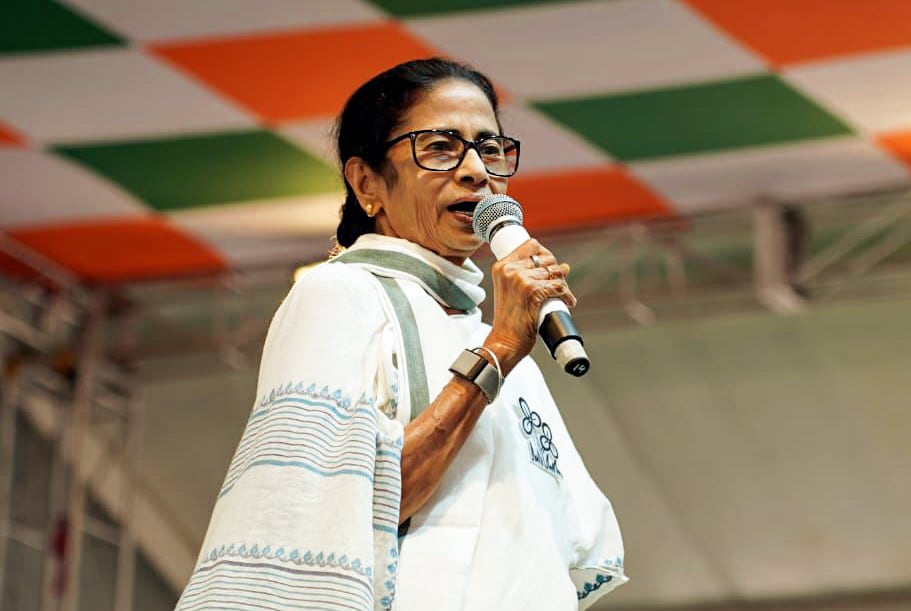
The difference now is that digital infrastructure ensures those transfers actually arrive. "Gone are the days when there would be massive leakages, people would promise huge amounts of benefits, and those would not reach the accounts of the people," Sharma said. "Now at least those benefits reach the people because of digitisation. And so that's become now almost a necessary thing that people are doing."
The high turnout in this election of 93 per cent in some constituencies, which is historic by any measure, may be traced to the base effect created by the SIR exercise, Sharma said, adding Bengal usually has seen high turnouts. "It's [turnout] increased everywhere. Even in Tamil Nadu, it increased. The base effect is a very big reason why the turnout has increased."
There is a problem in reading turnout as a signal, he said. "Typically, cadre-based parties do well in low turnouts," Sharma said, citing what he has learned from top psephologists he travels with on these trips. "Parties which don't have a very strong cadre, those do much better in high turnouts because cadre-based parties are able to get their people to come out in a low turnout election as well."
On whether the BJP can win Bengal and the 10 percentage point gap from the last assembly election, narrowed to around 7 points in the Lok Sabha, has closed enough, Sharma pointed to Tamil Nadu when in 2016 a gap of more than 10 percentage points between DMK and AIADMK was overcome and J Jayalalithaa returned to power.
"The gap between AIADMK and DMK flipped by 10 per cent. And yet she managed to come back to power. These are vagaries of Indian politics. Rules that are meant to be broken," Sharma said.
Track Latest News Live on NDTV.com and get news updates from India and around the world

