










- Samay Raina's show highlights men's low emotional quotient and its effects on their lives
- Men are often socially conditioned to suppress emotions from a young age
- Low EQ in men impacts mental and physical health and harms relationships
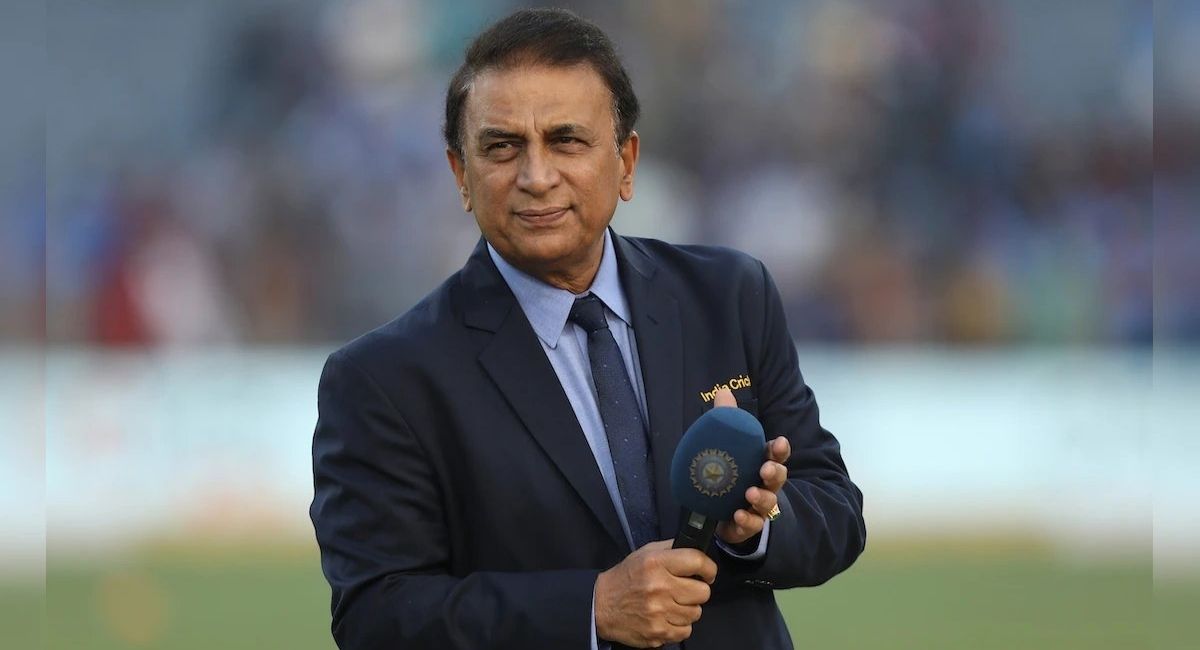
Comedian Samay Raina, in his latest one-hour, twenty-one-minute comeback special, Still Alive, touched a nerve by talking about something rarely addressed openly, the low emotional quotient in men and how deeply it shapes their lives. His observations were simple yet powerful. In the video, reffering to his father, Samay highlights that men often suppress their emotions and only led to becoming "emotionally stunted," unable to express love even to one's own children. "I am telling you, your father loves you just as much as your mother does. But he doesn't know how to express it."
These reflections are not just social commentary. They hint at a larger issue that has serious implications for men's mental and physical health. Emotional Quotient, or EQ, is the ability to identify, understand, express, and manage emotions. While it is not biologically determined, societal conditioning plays a huge role in shaping it.
What Does Low Emotional Quotient Really Mean?
From a young age, many boys are taught to suppress vulnerability. Phrases like "boys don't cry" or "man up" discourage emotional expression. Over time, this suppression becomes a habit. Men grow up feeling emotions just as intensely but lacking the tools to communicate them. The result is not an absence of emotion, but a disconnect from it.
"First, it is important to understand that saying men have a low emotional quotient (EQ) is a generalisation. Not all men struggle with emotions. However, what we often see is that many men are conditioned from a young age to suppress their feelings. Indian society together with many other cultures worldwide teaches boys to show no signs of weakness by forbidding them from crying and urging them to maintain a strong front. Over time, this shapes how they deal with emotions," says Dr Sumalatha Vasudeva, Mental Health Specialist, Gleneagles BGS Hospitals, Kengeri, Bangalore.
"Because of this upbringing, many men may not develop the same emotions as women. They experience emotions; however, they struggle to show their feelings to others. They often use brief or restricted communication methods, which others mistakenly interpret as signs of shallow emotional understanding. People develop emotional regulation through learned behaviors, which creates a false impression of their actual emotional capabilities," she adds.
Also read: Psychotherapist Shares Tips To Tackle Loneliness And Emotional Isolation In Corporate India
The Cultural Conditioning Behind It
In many societies, including India, masculinity is often associated with strength, control, and emotional restraint. Expressing sadness, fear, or even affection is sometimes seen as a weakness. This conditioning creates a gap between what men feel and what they show.
According to Dr Vasudeva, social pressure also plays a strong role. Men who openly express emotions may be judged or compared negatively with others. This fear of being seen as weak or less capable can further stop them from opening up. As a result, many men choose to internalise their emotions rather than share them.
Samay Raina subtly highlighted this in his show by pointing out how fathers love deeply but struggle to articulate it. This emotional gap may seem harmless, even normal, but it comes at a cost.
How Low EQ Impacts Long-Term Health
The inability to process and express emotions does not make them disappear. Instead, they manifest in other ways, often affecting both mental and physical health.
As per Dr Vasudeva, it is also important to note that mental and physical health are closely linked. When mental health concerns are not addressed early, they can gradually begin to affect physical well-being as well. Overall, it is not that men have lower emotional ability, but that many have been taught to suppress it. Encouraging emotional awareness, open communication, and creating a safe space for expression can greatly improve long-term mental and physical health, as well as relationship quality.
Relationships also suffer. Difficulty in expressing emotions can lead to misunderstandings, lack of intimacy, and unresolved conflicts. Over time, this emotional distance can create loneliness, even within close relationships.
The Silent Need for Emotional Support
One of the most striking points in Raina's show was the idea of needing someone who simply "stays." Not someone who offers solutions, but someone who listens and understands.
This reflects a universal emotional need that men often struggle to acknowledge. Because they are conditioned to be providers and problem-solvers, they may feel uncomfortable seeking emotional support. Yet, the absence of such support can intensify feelings of isolation
Can Emotional Quotient Be Improved?
The good news is that EQ is not fixed. It can be developed with conscious effort and awareness. The first step is recognising emotions without judgment. Instead of suppressing feelings, men can start by simply naming them. Whether it is stress, sadness, or frustration, acknowledging the emotion is crucial.
Open conversations also play a key role. Talking to a trusted friend, partner, or even a therapist can help in processing emotions more effectively. Over time, this builds emotional vocabulary and confidence. Practices like mindfulness and journaling can also help men reconnect with their inner experiences. These tools create space for reflection, something that is often missing in fast-paced, performance-driven lives.
In the video, Samay also encourages the audience to open up about their feelings to their fathers, saying, “You are the educated ones. Go and break down that wall. Then you will discover how emotional your father really is.”
Why Conversations Like These Matter
Low emotional quotient in men is not a personal flaw. It is a learned behaviour shaped by years of conditioning. However, its impact on long-term health is real and cannot be ignored.
Also read: What Is Emotional Intelligence? Tips To Enhance Emotional Intelligence In Kids
Encouraging emotional expression, redefining masculinity, and normalising vulnerability are essential steps toward change. Because at the end of the day, emotional strength is not about suppression. It is about understanding, expressing, and living authentically. And sometimes, as Raina reminded us, it starts with something as simple as having someone who stays and says, "This too shall pass."
Disclaimer: This content including advice provides generic information only. It is in no way a substitute for a qualified medical opinion. Always consult a specialist or your own doctor for more information. NDTV does not claim responsibility for this information.


