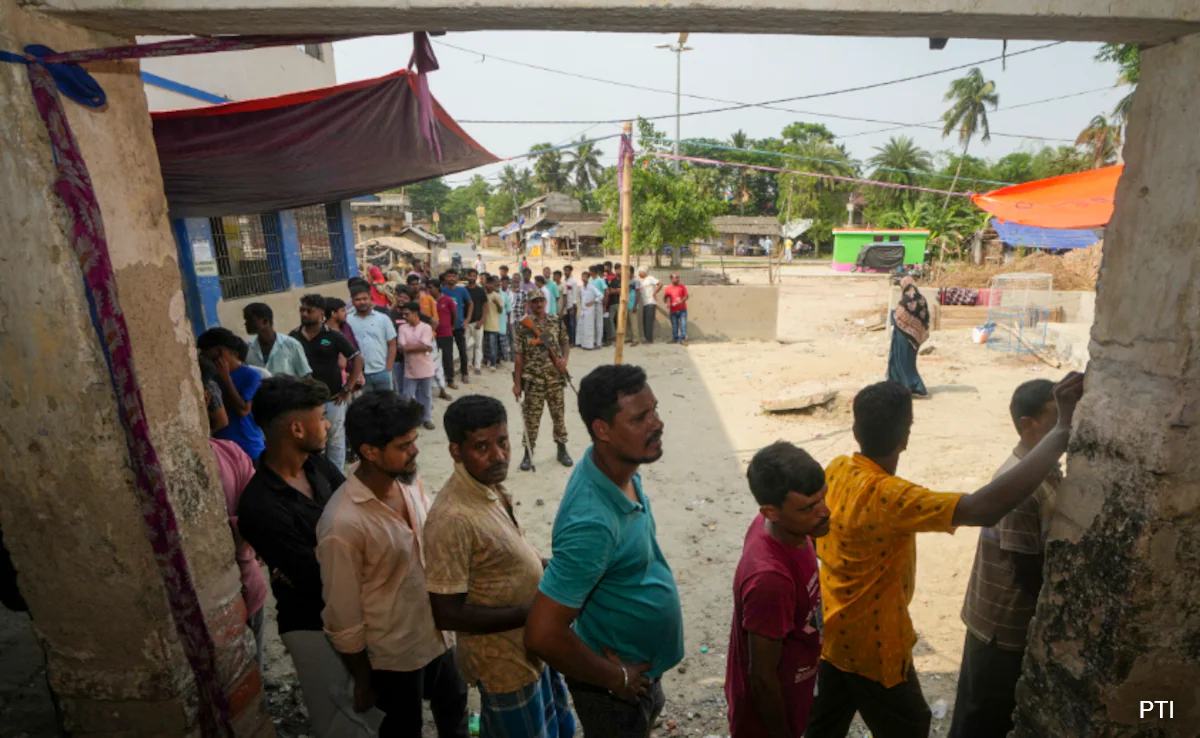













- Heatwaves cause the body to sweat and increase blood flow to cool down the skin surface
- Excessive sweating during heatwaves raises dehydration risk, causing fatigue and dizziness
- Heat exhaustion symptoms include heavy sweating, weakness, nausea, and muscle cramps
In the summer season, heatwaves are becoming more frequent and intense in many parts of the world. When temperatures remain unusually high for several days, the body must work harder to maintain a stable temperature internally. Prolonged exposure to extreme heat can place significant stress on the body and may lead to several health problems, especially for older adults, children, and people with chronic conditions. Research published in 2025 highlights their growing threat globally, particularly for older adults, shows the urgent need for targeted interventions. Severe cases may demand measures capable of reducing mortality by as much as 33%. For that matter you need to know what happens to your body during a heatwave and the health risks you should be aware of.
Your Body Works Harder To Stay Cool
The human body tries to normally maintain a temperature close to 37 degree celsius. During a heatwave, the body tries to cool itself primarily through sweating and increased blood flow to the skin. A review published in 2018 explains that sweating and vasodilation work hand in hand to produce cooling effect. When the hypothalamus senses rising internal temperature, it triggers sweat glands to secrete fluid mostly water with salts and trace compounds onto the skin. As this moisture evaporates, heat is carried away. At the same time, blood vessels near the skin's surface widen, increasing blood flow and allowing excess heat to dissipate more efficiently. Together, these mechanisms help bring core body temperature back into balance.
However, when temperatures remain very high or humidity levels are elevated, these cooling mechanisms may become less effective.
Risk Of Dehydration Increases
One of the most common effects of prolonged heat exposure is Dehydration. When the body sweats excessively, it loses not only water but also essential electrolytes. Without adequate fluid intake, this can lead to symptoms such as fatigue, dizziness, headaches and reduced urine output. Severe dehydration can affect blood pressure and circulation, potentially leading to serious complications.
Also read: 7 Exercises That Help Improve Blood Circulation In The Body
Heat Exhaustion Can Develop
If the body struggles to regulate temperature, a condition known as Heat Exhaustion may occur. Symptoms often include heavy sweating, weakness, nausea, muscle cramps and dizziness. The skin may feel cool and clammy, even though the body is overheated. Without proper cooling and hydration, heat exhaustion can progress to a more dangerous condition.
Heatstroke Is A Medical Emergency
One of the most serious risks during a heatwave is Heatstroke. This occurs when the body's temperature regulation system fails completely and the core temperature rises rapidly, often above 40 degree celsius.
Symptoms may include confusion, rapid heartbeat, hot dry skin, seizures and loss of consciousness. Heatstroke requires immediate medical attention because it can damage vital organs such as the brain, heart and kidneys.
The Heart And Kidneys Face Extra Stress
Extreme heat can put additional strain on the cardiovascular system. The heart must pump harder to move blood toward the skin to release heat. For individuals with heart conditions, this extra workload may increase the risk of complications.
Kidneys can also be affected due to dehydration and reduced blood flow, which may impair their ability to filter waste from the body.
Sleep And Mental Health May Be Affected
High nighttime temperatures can disrupt sleep patterns. Poor sleep during heatwaves may lead to irritability, fatigue and reduced concentration. Prolonged heat exposure may also contribute to stress, mood changes and reduced productivity.
How To Protect Yourself During A Heatwave
Staying safe during extreme heat requires simple but consistent precautions. Drink plenty of water throughout the day, even if you do not feel thirsty. Wear light, loose fitting clothing and avoid outdoor activities during the hottest hours of the day. Using fans, staying in shaded or air-conditioned spaces and taking cool showers can also help regulate body temperature.
Pay special attention to children, elderly family members and pets, as they are more vulnerable to heat-related illnesses. Heatwaves can significantly affect the body's ability to regulate temperature and maintain fluid balance. Dehydration, heat exhaustion and heatstroke are among the most serious risks.
It becomes important to understand how extreme heat affects your body and taking preventive steps can help reduce the chances of heat related illness and keep you safe during periods of intense heat.
Disclaimer: This content including advice provides generic information only. It is in no way a substitute for a qualified medical opinion. Always consult a specialist or your own doctor for more information. NDTV does not claim responsibility for this information.


