- Low-fat diets may not reduce heart risk for low-risk individuals according to Harvard Health
- Replacing saturated fats with refined carbs can increase heart disease risk and obesity
- Processed low-fat foods often contain added sugar, salt, and thickeners harmful to health
For decades, the 'low-fat' label has been the most sought-after label for health-conscious grocery shopping in India and across the globe. People have been conditioned to believe (not without some evidence) that stripping fat from the plate is the best shield against heart disease. From skimmed milk to 'fat-free' biscuits, the Indian market is flooded with products promising a leaner life. But as waistlines continue to expand and heart disease remains a leading cause of mortality, a critical question emerges: Is the low-fat diet actually that great or is it hiding health issues in plain sight?
Recent insights from Harvard Health have sent ripples through the nutrition world, challenging the long-held mantra that everyone benefits equally from cutting saturated fats. The truth, it seems, isn't just about what you take out of your diet; it's about what you put back in. Here's why your heart health and diet choices may need a major rethink.
What Harvard Health Found
The Harvard Health saturated fat study, which reviewed 17 different clinical trials, offers a perspective that moves away from "one-size-fits-all" nutrition. The researchers found that while reducing saturated fat (found in red meat, butter, and full-fat dairy) significantly lowered the risk of heart events for high-risk individuals, the same wasn't necessarily true for those at low risk.
The study highlights a vital 'key insight' which revealed that cutting down on saturated fats may lower the risk for high-risk individuals, but not for those at lower risk. Mainly because of the saturated fat replacement risks. Most people who cut out fats don't replace them with salads; they replace them with refined carbohydrates. When you trade a piece of cheese for a sugary 'low-fat' granola bar, you aren't helping your heart; you might actually be hurting it.
The Problem With Low-Fat Replacements
This is where the low-fat diet danger becomes real. In the quest to remove fat, which provides flavour and fullness, manufacturers often pump products with sugar, salt, and thickeners. These processed low-fat foods' health risks are significant.
This often translates to replacing traditional fats with refined flour (maida), sugary biscuits, or "fat-free" packaged snacks. These high-glycaemic replacements trigger insulin spikes, increase systemic inflammation, and contribute to obesity. Essentially, by avoiding the "fat" bogeyman, many are falling into the trap of a high-carb, high-sugar cycle that is arguably worse for the arteries.
Also Read: Bengaluru Researchers Find Gene Linking Heart Risk, Obesity And Sleep Apnea
Healthy Alternatives To Saturated Fat
If cutting fat blindly isn't the answer, what is? The best alternatives to low-fat processed foods are whole, unsaturated fats. Harvard Health emphasises that the quality of the replacement determines the outcome.
Instead of reaching for processed carbs, swap saturated fats for monounsaturated and polyunsaturated fats. You need to think of healthy fat sources for Indian diets, like walnuts, flaxseeds, mustard oil, and even the occasional avocado.
While traditional Indian diets have long relied on ghee, the modern sedentary lifestyle means there needs to be caution. Ghee is better than hydrogenated vegetable oils (vanaspati), but it should still be consumed in moderation, ideally alongside plant-based oils like olive or cold-pressed seed oils.
A handful of roasted chana or almonds is infinitely better for your heart than a low-fat digestive biscuit.
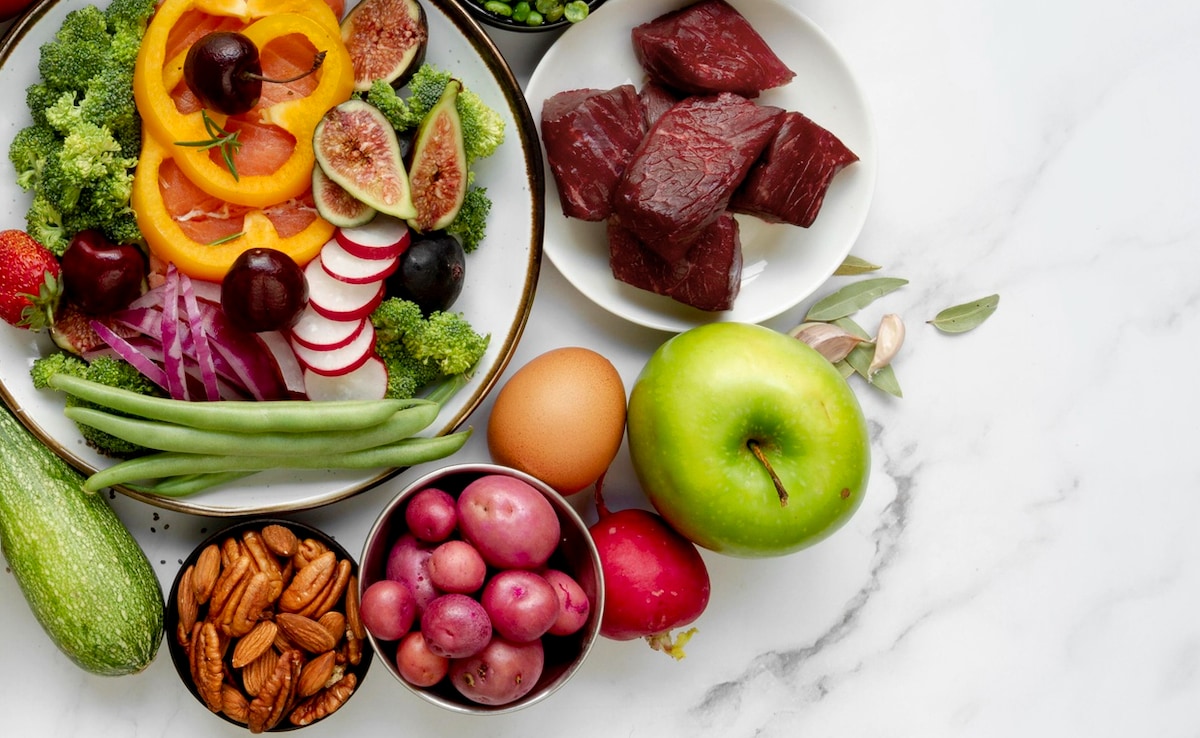
Healthy food
Photo Credit: Freepik
Does Cutting Saturated Fat Benefit Everyone?
The short answer is no, at least not in isolation. The people who can benefit from cutting saturated fats from their diet are usually those with a high-risk profile: individuals with a family history of heart disease, hypertension, or Type 2 diabetes. For these groups, reducing saturated fat and strictly replacing it with polyunsaturated fats (like those in fish and sunflower seeds) shows a clear benefit.
However, for a low-risk, active individual, the obsession with 'zero fat' can lead to poor nutritional choices. This underscores the importance of personalised nutrition. Your body isn't a calculator; it's a complex chemical laboratory.
Also Read: Doctor Explains 4 Major HbA1c Blood Sugar Test Myths Keeping Indians On The Wrong Diabetes Path
Practical Guidance: Quality Over Percentage
You need to navigate the grocery aisles without falling for low-fat marketing traps. Here is some practical advice for a balanced diet for heart health:
- Focus on the food source, not the 'fat-free' label.
- If a 'low-fat' product has sugar or corn syrup as one of the first three ingredients, put it back.
- If you cut the butter on your toast, don't add jam. Add mashed avocado or a drizzle of olive oil instead.
- Fibre-rich legumes and vegetables naturally lower cholesterol without the side effects of processed 'diet' foods.
The Harvard Health findings on saturated fat replacement serve as a necessary wake-up call. It proves that nutrition should be evidence-based, not trend-driven. The 'low-fat' craze of the 90s led us toward a sugar-heavy diet that has contributed to the current metabolic health crisis in India.
It's time to stop fearing fats and start fearing the replacements. A heart-healthy diet isn't about deprivation; it's about choosing high-quality, whole-food sources of fuel. Let's move away from the labels and back to the kitchen.
Disclaimer: This content, including advice, provides generic information only. It is in no way a substitute for a qualified medical opinion. Always consult a specialist or your own doctor for more information. NDTV does not claim responsibility for this information.