- India relies on pulses as a key plant-based protein source in its diet and nutrition
- Protein deficiency affects 70-80% of India’s population despite widespread pulse consumption
- Canada and India plan a Pulse Protein Centre of Excellence in Kundli to boost protein levels
Masoor, urad, chole, moong, chana, and many more pulses are a source of plant-based protein. India has long relied on pulses to provide the required protein especially vegetarians and this has made them a staple in the Indian diet because of it. While pulses are considered high in fibre and a staple dietary addition for fitness enthusiasts who are seeking food choices that sustain their active efforts for weight maintenance, their exact protein levels can vary. The reality is that according to the Indian Council of Medical Research (ICMR) and National Institure of Nutrition (NIN) pulses in India provide between 18 to 25 g of protein per 100 g raw weight.
Even though pulses are widely consumed, the protein deficiency ratio in India is increasing, signalling a need to supplement protein to avoid the negative impact on health such as edema, hair loss, increased hunger and severe infections.
The negative impacts of a protein-deficiency may be severe but the future of the desi protein is being re-engineered to increase the exact protein levels found in pulses. As the Canadian and Indian governments, along with the University of Saskatchewan plans to launch a new pulse protein research centre in India.
The Canada-India Pulse Protein Centre of Excellence would be built at the National Institute of Food Technology Entrepreneurship and Management and is set to be located in Kundli, which is located 40 kilometres north of New Delhi. This was communicated in a March 3rd press release by the Saskatchewan government.
Purpose Of The Pulse Centre
According to a report on pulses for nutrition in India, policymakers, researchers, and health activists are looking for ways to fight hunger and malnutrition in India. This is where a pulse centre could provide the next step in bridging the protein deficiency gaps as highlighted in the research by the Observer Research Foundation. The centre plans to advance pulse protein processing to raise the exact protein levels in the pulses. So, people who happen to get their daily protein intake from plant-based sources can successfully supplement their required protein dose.
The focus on creating fortified foods and sustainable agriculture practices plans to move the needle for feeding a growing population.
Also Read: Reelin In Relief: Scientists Discover A Protein That Can Treat Depression And Leaky Gut
Why It Matters
Pulses remain the primary plant protein source, and according to the Journal of Nutrition, the requirement for protein is linked to its quality, affected by the ability to digest it and meet the essential amino acid requirement. The pulse centre plans to re-engineer the dal to increase the protein bioavailability and supplement the desired protein levels in a malnourished population. Here is how this centre can benefit India:
- Not only is 5.3% of the Indian population living below the poverty line, but the protein deficiency numbers are between 70% and 80%. So, the focus on fitness and nutrition is key to providing the required level of nutrition for the entire population.
- The global demand for plant-based proteins is also increasing due to active awareness efforts, and if India becomes self-sufficient in its plant-based protein sources, then its ability to export the surplus to other countries also increases.
- 80% of pulses exported from Canada to India are grown in Saskatchewan; hence, the active participation of the University of Saskatchewan is key.
- The Protein Excellence Centre will strengthen bilateral trade ties and improve food security.
Also Read: Paneer Vs. Tofu: Which Is A Richer Source Of Protein?
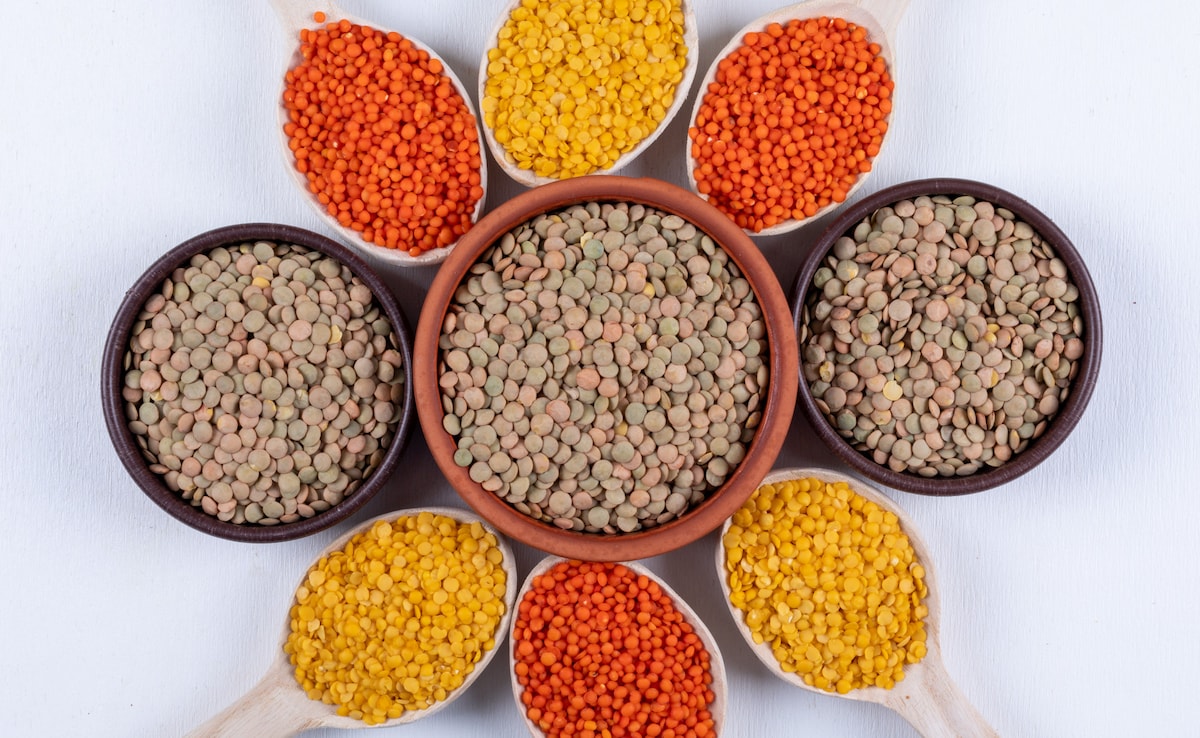
A variety of pulses
Photo Credit: Freepik
Importance Of The Pulse Centre For Indians
Pulses are low-fat, high in fibre content, and rich in protein, but significant challenges also stop the population from receiving the protein from them. Be it economic challenges, lack of fresh and high-quality legumes, or the inability of people to absorb the required protein amount. Fortified dal could become a staple in sports nutrition and fitness diets and offer a path forward. It can also play a role in reducing environmental impact as it is plant-based rather than being an animal protein source.
But there needs to be more research on the exact nutritional health benefits of protein-rich dal, as the current studies say this:
- When it comes to the exact protein types in dal, the pulse proteins (like those found in dal) are typically deficient in sulphur-containing amino acids such as cystine and methionine, which are necessary for protein absorption.
- According to the Critical Reviews in Food Science and Nutrition, a diet that contains a wide variety of pulses can help the body get better at breaking down food and processing it into energy.
Dal is the future of desi protein, and India could become the leader in plant-based nutrition innovation through the establishment of protein excellence centres.
Disclaimer: This content, including advice, provides generic information only. It is in no way a substitute for a qualified medical opinion. Always consult a specialist or your own doctor for more information. NDTV does not claim responsibility for this information.