- Osteoarthritis affects 22%-39% of adults over 40 in India, impacting women and urban residents more
- Daily walking offers limited benefits for osteoarthritis pain and joint health according to studies
- Targeted strength training significantly reduces joint pain by strengthening muscles around joints
Osteoarthritis, that silent joint-eroding condition, affects millions across India, especially as people age. It's often associated with wear and tear, and the most commonly heard phrase that is said is 'Keep walking; it's good for you! " And while that's not entirely wrong, your daily walk, though beneficial in many ways, might just be scratching the surface. Especially when it comes to effective, long-term osteoarthritis management, as a 2025 systematic review and meta-analysis in the Indian Journal of Orthopaedics found that about 22% to 39% of adults over 40 suffer from osteoarthritis. And the most shocking factor is that it impacts women at a higher rate, and those residing in urban populations the most. This is why effective relief from joining relief is required and can only be understood via recorded evidence.
The Limitations Of The Daily Walk
Walking is undoubtedly a fantastic, low-impact form of aerobic exercise. It strengthens muscles, improves cardiovascular health, and even offers a moderate amount of joint loading, which can be helpful. However, the problem lies in the word "moderate". For someone grappling with the structural changes and pain of osteoarthritis, a generic daily walk might not provide the necessary mechanical stimuli for cartilage health or sufficient muscle strengthening to properly support the joint.
The journal RMD Open found that the benefits for knee osteoarthritis pain were minimal and tended to shrink in larger or longer-term studies after looking at multiple clinical trials with over 13,000 participants.
Not only does this massive review now exist, but studies by the Indian Council of Medical Research (ICMR) and other global bodies support its findings that show that simply increasing step count doesn't consistently correlate with a significant reduction in osteoarthritis pain or progression.
It's like trying to build muscle with only light weights; you reach a plateau, and improvements cease. Your joints need more targeted attention.
Also Read: Mumbai Pollution Linked To 57% Of Lung Cancer Cases: Maharashtra Government Warns of Health Crisis
The Power Of Targeted Strength Training
The key to substantial joint pain relief in osteoarthritis, as reinforced by ICMR studies focused on geriatric health and musculoskeletal disorders, is comprehensive rehabilitation, with a heavy emphasis on strength training. Weak muscles around the affected joint, be it the knee, hip, or even the shoulder, can significantly worsen pain and speed up structural decline.
On the other hand, stronger muscles act as effective shock absorbers, taking the pressure off the compromised joint.
Furthermore, strength training has been shown to improve joint mechanics and reduce inflammation. And contrary to common misconceptions, you don't need fancy gym equipment. Many impactful exercises can be done in the comfort of your own home, making this approach extremely accessible.
Focusing On Quadriceps Strengthening
For the very prevalent knee osteoarthritis, strengthening the quadriceps muscles (those on the front of your thigh) is paramount. Research, including insights from various Indian studies compiled by the ICMR and the National Institute of Nutrition (NIN), consistently points to a direct link between improved quadriceps strength and significantly reduced knee pain.
Imagine your knee joint like a bicycle wheel with a weak spoke. Every time you ride, that wheel is compromised. A strong quadriceps is like a robust spoke, distributing the force evenly and preventing excessive stress on any one point. Exercises like leg raises, wall sits, and even specific variations of squats, when done correctly, can work wonders in building this vital muscle group.
Also Read: Stem Cell Therapy Breakthrough: Type 2 Diabetes Reversed In Historic Case In China
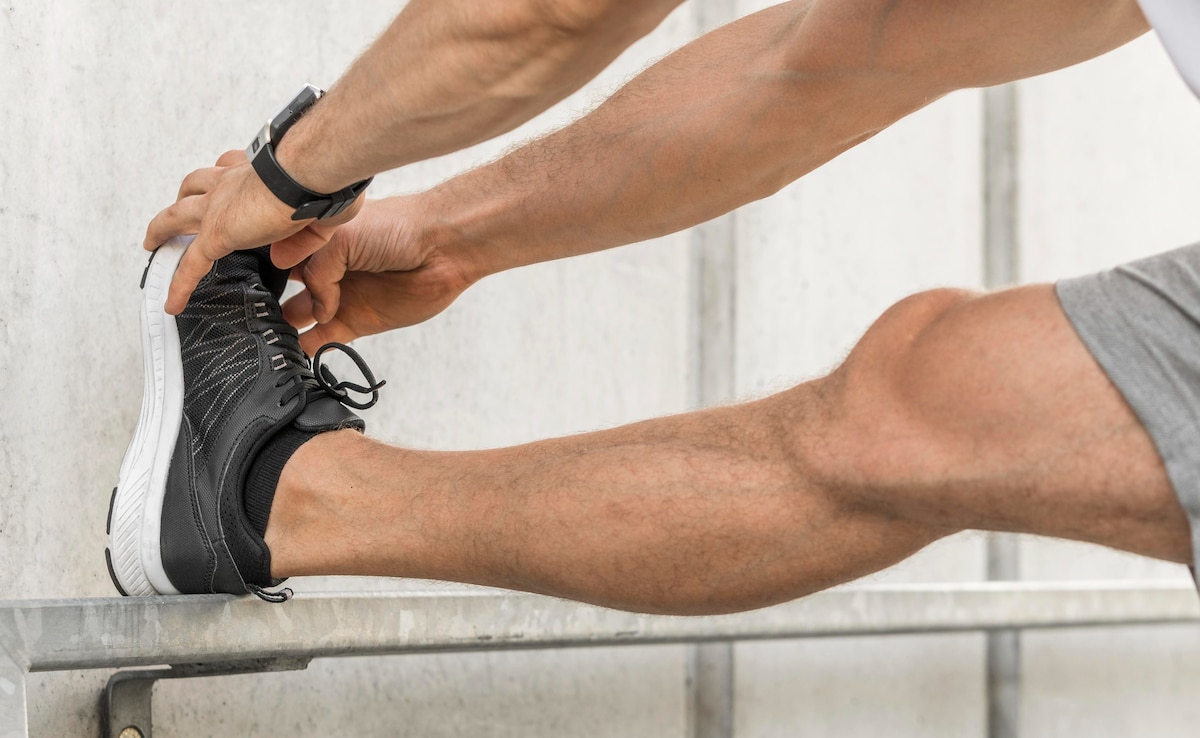
Quadriceps strengthening
Photo Credit: Freepik
Beyond Walking: A Holistic Approach
So, what does a truly holistic approach to osteoarthritis joint pain relief look like, moving beyond just the daily walk? It should encompass:
- Targeted strength training by focusing on strengthening muscles around the affected joints under the initial guidance of a physical therapist.
- Flexibility and range of motion exercises as gentle stretches and yoga can improve joint flexibility and reduce stiffness.
- Weight management as carrying excess weight puts additional strain on joints. A balanced diet and appropriate physical activity can help manage weight.
- Activity modification by learning how to adapt daily activities to minimise pain and avoid excessive joint stress.
- Pain management strategies as this can include appropriate use of over-the-counter medications, ice/heat packs, and other therapies as recommended by a healthcare professional.
- Patient education as understanding the condition and being actively involved in its management is crucial for long-term success.
The Vital Role Of The Physical Therapist
While it's tempting to jump into any exercise routine, navigating osteoarthritis rehabilitation safely and effectively requires professional guidance. This is where a physical therapist steps in. They are movement experts, trained to assess your specific condition, muscle imbalances, and pain points.
A physical therapist will help with the following:
- Assess your condition accurately and suggest the way forward.
- Develop a personalised exercise programme that will be tailored to your individual needs, limitations, and goals, ensuring that you target the correct muscle groups with the right amount of intensity.
- Teach you correct exercise techniques to prevent injury and maximise the effectiveness of your routine.
- Guide you through progression because as you get stronger, they will progressively adjust your exercise programme to ensure continued improvement.
- Monitor your progress and make adjustments as needed.
- Offer invaluable support and motivation throughout your journey.
Your daily walk is a commendable start, but it's not the end goal when it comes to conquering osteoarthritis joint pain. It's time to elevate your approach, embrace the power of strength training, and seek the expertise of a physical therapist. By taking charge of your joint health, investing in a comprehensive rehabilitation plan, and paving the way for a future with significantly reduced pain and restored mobility.
Disclaimer: This content, including advice, provides generic information only. It is in no way a substitute for a qualified medical opinion. Always consult a specialist or your own doctor for more information. NDTV does not claim responsibility for this information.