- Rice water is the starchy liquid from boiling, soaking, or rinsing rice with health benefits.
- It contains vitamins B1, B3, E, magnesium, and potassium, providing hydration and energy.
- Rice water supports digestion, hydration, and skin health but is not a meal replacement.
Rice water is a starchy liquid that is a result of boiling, soaking, or rinsing rice. Many people have started using it for their digestive health, skin health, dehydration, and many other health benefits. The growing popularity of the liquid signals the need to be cautious, as it may not be suitable for everyone. Every natural remedy has side effects and a specific dose that needs to be kept in mind when people start introducing rice water into their diet. According to a systematic review in the Journal of Food Science and Technology, people have been using rice water since primitive times for aiding in digestion and enhancing skin health. To understand the mechanisms that rice water operates on, you need to know how it can benefit you, the potential side effects, and the exact dose that you need.
What Is Rice Water?
Simply put, rice water is the water left after boiling, soaking, or rinsing rice, and its beneficial properties intensify if it is kept refrigerated. If the rice water is prepared from fermented rice, its potency can increase even further. According to the Processes journal, rice water should be ideally prepared from soaking unwashed rice grains in a sixfold excess of cold water for 30 min. The resulting water can be safely used on your skin, and a small dose of it can be safely consumed if your body is otherwise healthy.
Nutritional Value Of Rice Water
Dr Manoj Vithlani, Sr Consultant Internal Medicine, HCG Hospitals, Ahmedabad, explains, “Rice water has long been used as a traditional remedy across cultures, and it can offer mild benefits when used in moderation. Its effectiveness largely depends on how it is prepared, the quality of rice used, and the quantity consumed or applied. While it has gained popularity for skincare, haircare, and even digestion, scientific evidence supporting its benefits remains limited, making it more of a supportive wellness addition than a primary solution.”
The exact nutritional density of rice used to prepare the rice water determines the exact presence of vitamins B1, B3, and E and minerals like magnesium and potassium, providing quick energy and hydration.
But only in small amounts based on the exact fluid intake during the day. The quantity of the same needs to be adjusted as per the body's tolerance levels and required hydration needs.
Rice water is not a replacement for a balanced meal or supplements; it is a supportive remedy.
Potential Health Benefits Of Rice Water
“When it comes to skin and hair, rice water is believed to have soothing and cosmetic benefits. The starch content and antioxidants present in rice may help calm irritated skin, reduce excess oil, and improve the appearance of conditions like acne or mild hyperpigmentation," says Dr Manoj Vithlani. Furthermore, according to research published in the Trends in Food Science and Technology journal, rice water has antioxidants like y-oryzanol and anthocyanin. It can even help with the following when the dose is regulated:
- Helps with hydration during heat or illness, which is common during heatwave alerts, such as is the case in India currently.
- Gentle on the stomach, as the water has hydration and trace minerals in it.
- It is commonly used for diarrhoea recovery, as the body is unable to digest heavy foods.
- It may provide a quick energy boost, as instant nutrition from rice is beneficial when the body is craving nutrient-dense liquids.
- These health benefits are supportive, not therapeutic, as rice water has limited capacity as a hydrating liquid.
Also Read: Okra Water vs Methi Water: Which Is Better For A Fatty Liver?
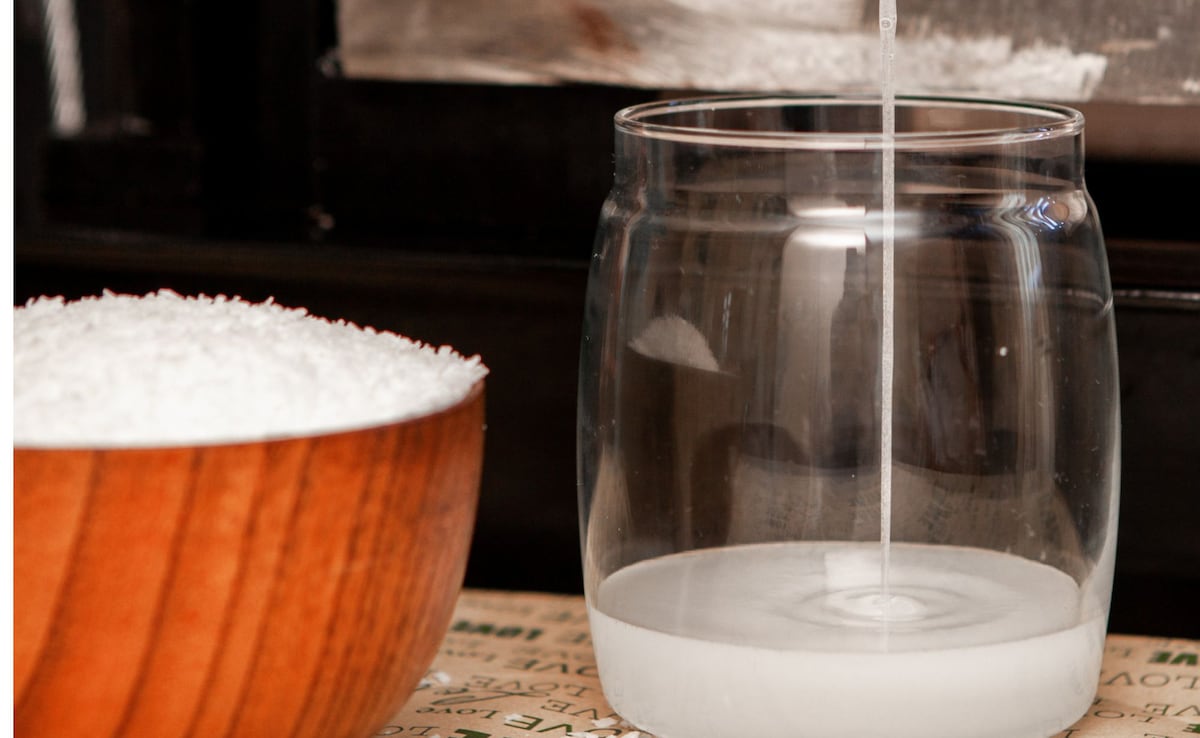
Rice water can benefit the gut when consumed in small doses
Photo Credit: Freepik
Does Rice Water Help Digestion?
Luke Coutinho, Integrative and Lifestyle Medicine Expert, explains fermented rice water (rice kanji / pazhaya kanji) as a traditional probiotic that supports digestion before heavy meals and helps with bloating, acidity, and sluggish gut function. He highlighted that "fermentation promotes good gut bacteria naturally, restoring digestive balance."
Note: Rice water is not a treatment for chronic gut conditions; you need to consult a nutritionist or dietician to figure out the right dose of rice water for you.
Side Effects And Risks To Be Aware Of
Rice water has side effects and risks associated with its consumption, as it can cause the following:
- May spike blood sugar in diabetics, so people need to be careful of consuming it over the counter.
- Low fibre and protein are needed from hydrating drinks to supply the body with nutrition that it needs.
- Overconsumption may displace nutritious foods, as too much liquid can wash out the nutrients consumed.
- Hygiene concerns with fermented rice water, as the water needs to be clean and free from any signs of microbes.
Who Should Avoid Drinking Rice Water?
Rice water is a natural remedy that should only be consumed by otherwise healthy individuals. Here is what you need to know about rice water and if you should avoid it and only use it topically:
- People with diabetes or insulin resistance avoid it, as it can cause a washout of essential nutrients.
- Those on calorie-restricted or low-carb diets can suffer from nutrient washout, as the liquid consumed doesn't have solid food to be absorbed in the gut.
- Infants, unless prescribed medically, should avoid rice water, as consulting a paediatrician is necessary.
How Much Rice Water Is Safe? Expert Dosage Advice
Sakshi Lalwani, a nutritionist, details that instead of plain rice water, fermented rice water helps reduce gut inflammation. It also improves nutrient absorption, digestion, and metabolism. It is also useful for people with bloating and acidity." If it is consumed in the following manner:
- Small quantities, as too much, have side effects.
- Occasional use, not daily replacement, is advisable as people need to be able to judge the intake needed as and when the temperature demands.
- Best used during illness or dehydration, as it is proven to help in small doses.
Best Way To Prepare Rice Water Safely
There are certain practical tips that you can follow to prepare rice water safely; these are as follows:
- Rinse rice well before boiling, as the residual dirt can contaminate the water and cause strain on your kidneys.
- Avoid storing it for too long, as it can ferment and even become infected with microbes with a foul smell.
- Consume it fresh or cooled, as it can last for a week if the heat is not extreme in the environment.
- Avoid added sugar or salt, as their properties can become altered.
Rice water can be useful in specific situations, but it is not a superfood. Moderation is key, and it should complement, not replace, a nutritious diet for its researched health benefits.
Disclaimer: This content, including advice, provides generic information only. It is in no way a substitute for a qualified medical opinion. Always consult a specialist or your own doctor for more information. NDTV does not claim responsibility for this information.