You twisted your ankle during a run. Or you woke up with a tight neck after hours of desk work. In that moment of pain, the question arises: Should you ice it, or heat it? The answer depends not on habits, but on timing, type of injury, and what's going on under your skin, literally. Cold and heat are not rivals, but teammates that each shine at different moments in the healing process. Misuse either, and you risk delaying recovery (or worse, making the pain more intense and complicated).
Health professionals and physiotherapists often advise one clear guideline: "Ice first, heat later." Cold works wonders immediately after sudden trauma, cutting swelling and numbing pain, while heat is more useful later on, when you're dealing with stiffness, chronic discomfort or trying to improve flexibility and blood flow.
But how exactly do you know when to switch from one to the other, and how to apply safely? Let's break down what the science and experts say, so your DIY pain therapy at home doesn't backfire.
Cold Therapy: When Ice Is The Hero
The moment an injury happens, whether it's a sprained ankle, a muscle strain, a bruise or a joint twist, the body responds with inflammation. Blood rushes to the area, swelling appears, and pain sets in. This is where cold therapy (ice pack or cold compress) comes in.
According to experts at a major New York hospital, ice is best for acute injuries within the first 24 to 72 hours. It reduces inflammation and bruising by constricting blood vessels, slowing blood flow, and numbing pain.
A standard protocol for cold therapy is:
- Wrap an ice pack (or even a bag of frozen vegetables) in a thin towel. Never apply ice directly to skin.
- Place it on the injured area for 15-20 minutes at a time, then remove.
- Repeat every few hours for up to two or three days.
This approach helps control swelling and reduces the risk of further tissue damage. In the early phase, heat could worsen inflammation by increasing blood flow, so it's better to wait.
Cold therapy works well for:
- Acute sprains or strains
- Recent bruises or contusions
- Sudden joint or tendon injuries
- Post-exercise or sports-related knocks
Safety first:
- Always use a barrier (towel) between ice and skin
- Limit sessions to 15-20 minutes
- Avoid if you have circulatory problems, nerve damage, or decreased skin sensitivity, basically conditions where cold can cause harm.
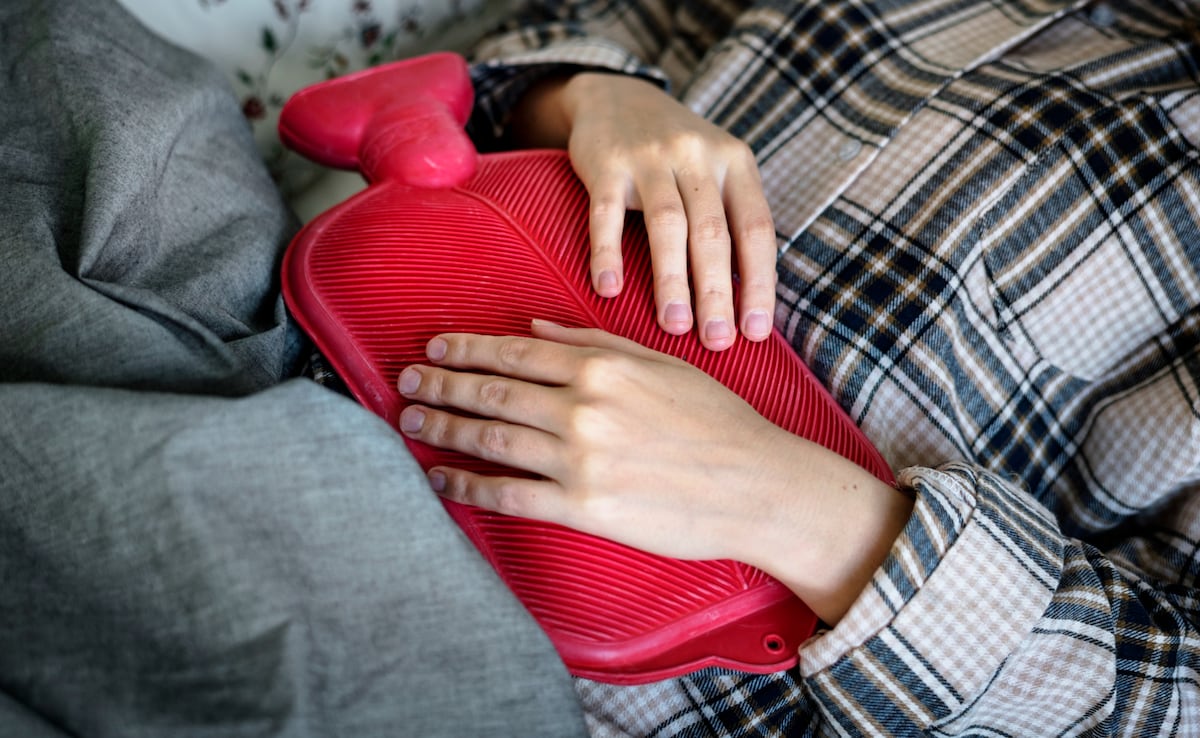
Use warm compress or heat pads for stiffness and period pain
Photo Credit: Freepik
Heat Therapy: When Warmth Wins
Once swelling and acute inflammation subside, usually after 48-72 hours, heat becomes useful. Chronic pain, muscle stiffness, soreness from overuse, and tight joints respond well to heat therapy. Warmth relaxes muscles, increases blood flow, improves flexibility, helping tissues get oxygen and nutrients for recovery.
Heat therapy is often recommended for conditions such as:
- Muscle soreness after workout or prolonged use
- Chronic joint or back pain
- Stiffness, tight muscles, or slow-healing soft-tissue injuries
As with ice, heat should be applied carefully:
- Use a warm (not hot) pad or hot-water bottle
- Wrap it in a towel, and apply for 15-20 minutes
- Check the skin regularly for redness or burning, and avoid heat if swelling is still present or if there's a fresh wound.
Heat therapy helps relax tight muscles and increase tissue extensibility, which can aid rehabilitation, improve mobility, and reduce pain from stiffness rather than inflammation.

Cold packs are best used on fresh injuries
Photo Credit: Pexels
Can You Alternate Cold And Heat, Or Use Both?
Yes, but this needs to be done carefully. This is often called contrast therapy, alternating between cold and warm to help reduce swelling and boost circulation, especially in post-exercise muscle soreness, chronic joint issues, or for ongoing recovery.
A common method:
- Apply heat first (to relax muscle)
- Then apply cold (to reduce any residual inflammation)
- Alternate based on tolerance
However, many physiotherapists caution against using both on a fresh injury. Cold should dominate the first 48-72 hours; heat should wait until swelling subsides.
Ice Or Heat? It Ultimately Depends On When You Hurt Yourself
The bottom line is that timing matters.
For fresh, acute injuries like sprains, bruises, sudden pain, ice is your friend. It reduces swelling, numbs pain, and buys you time. But once the inflammation settles, and the body enters the recovery phase, with stiffness or tightness, heat becomes the ally to coax muscles into flexibility, improve blood flow, ease soreness, and aid healing.
If you treat the process like baking a cake instead of just sprinkling salt, you'll get better results. Remember, cold first, then warmth when ready, and always be gentle, protective, and mindful of what your body tells you. If pain or swelling persists beyond a few days, or if there is instability, numbness, or severe pain, it's time to see a doctor. After all, even DIY care deserves a dose of common sense. Treat your injuries with care, and let healing do its job.
Disclaimer: This content including advice provides generic information only. It is in no way a substitute for a qualified medical opinion. Always consult a specialist or your own doctor for more information. NDTV does not claim responsibility for this information.