- Academic stress leads to anxiety, sleep issues, headaches, and unhealthy coping behaviors
- Behavioral changes like withdrawal and negative self-talk signal mounting exam stress
- Emotional support from parents and educators helps buffer stress and fosters resilience
For millions of students worldwide, examination periods are not just academic hurdles. They can be major psychological stressors. As exams approach, tensions rise at home and in schools, with students caught between expectations, deadlines and comparisons. This pressure isn't just annoying; it can significantly impact both mental and physical wellbeing. Research shows that academic stress can lead to anxiety, sleep disruption, headaches, loss of appetite and even depressive symptoms when unmanaged, and unhealthy coping patterns often worsen outcomes.
"As exams approach, the atmosphere at homes and classrooms becomes extremely tension filled," says Dr. Sushma Gopalan, Lead Consultant - Child Life Services (Psychology), Manipal Hospital Yelahanka, Bengaluru. "The expectations, deadlines and comparison are essential to motivate students to perform better. Yet, when these very essential features become excessive, they lead to severe stress." While some stress can act as motivation, expert consensus is clear: when pressure becomes overwhelming, it catalyses unhealthy behaviours like excessive screen usage, chronic procrastination, emotional eating and social withdrawal, all of which can undermine learning, wellbeing and confidence.
Understanding how exam stress manifests and why certain coping mechanisms are harmful is key for parents, educators and students themselves.
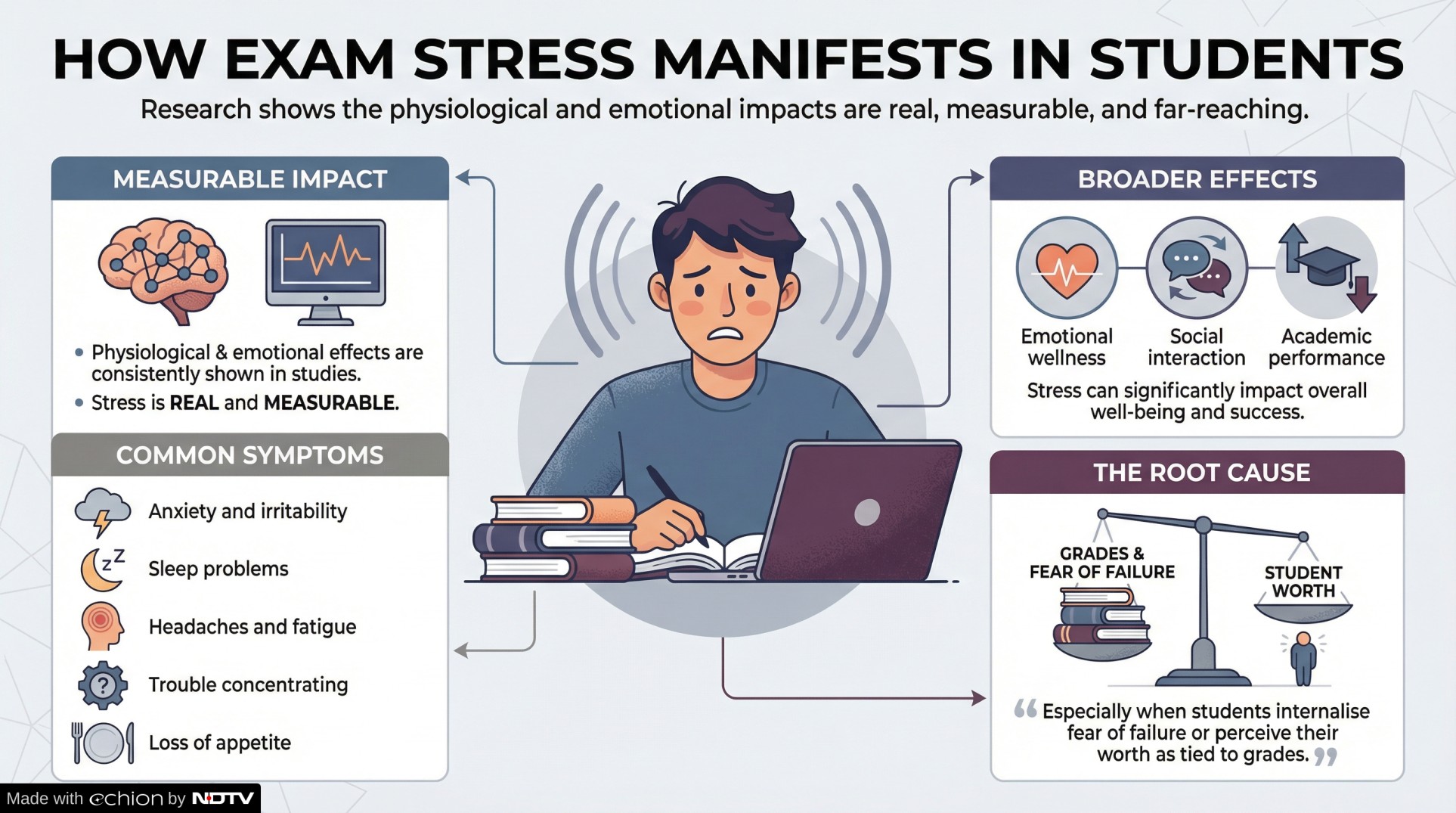
How Exam Stress Manifests in Students
Studies on academic stress consistently show that the physiological and emotional impacts are real and measurable. Symptoms include:
- Anxiety and irritability
- Sleep problems
- Headaches and fatigue
- Trouble concentrating
- Loss of appetite
Research indicates that stress can affect emotional wellness, social interaction and academic performance, especially when students internalise fear of failure or perceive their worth as tied to grades.
Dr. Gopalan explains that beyond overt signs, how students try to manage stress often goes unnoticed. "The ways of managing stress which at times becomes a habit in children are excessive screentime, chronic procrastination, emotional eating, excessive caffeine consumption, social withdrawal or suppression of emotions," she explains. "Stress is seen as a sign of weakness." These behaviours may seem like relief strategies, but they typically distract from preparation, reduce physical wellbeing and reinforce avoidance patterns.
Also Read: What Is Exam Stress? 6 Problems It Can Escalate To If Left Unmanaged
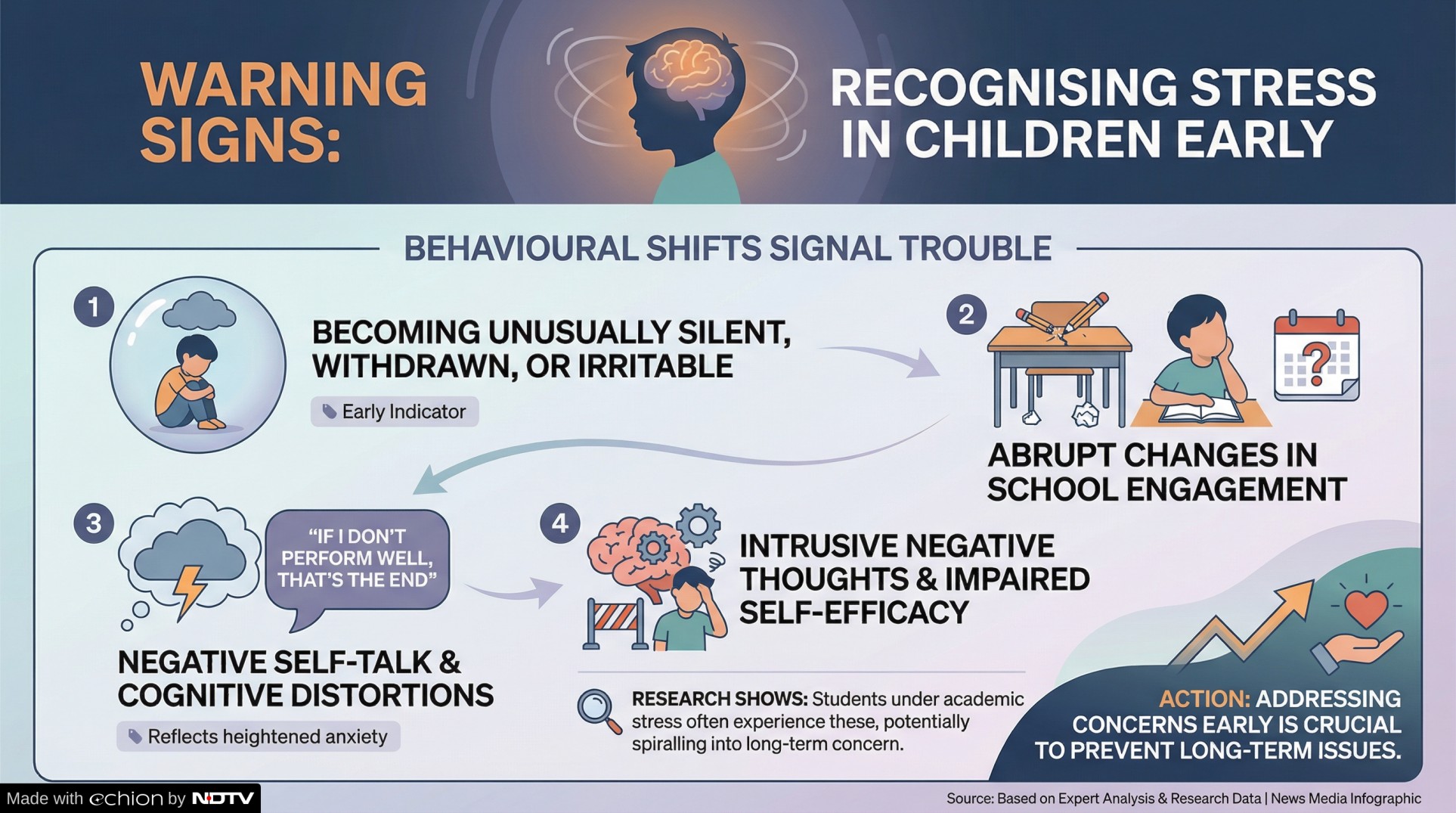
Warning Signs: Behavioural Changes That Signal Trouble
Recognising stress early is crucial. Children under mounting pressure may display behavioural shifts such as:
- Becoming unusually silent, withdrawn or irritable
- Abrupt changes in school engagement
- Negative self-talk like "If I don't perform well, that's the end"
These statements reflect cognitive distortions, common during periods of heightened anxiety when fear overshadows perspective. Research shows that students under academic stress often experience intrusive negative thoughts and impaired self-efficacy, which can spiral into long-term concern if not addressed.
"Students who have been performing well may suddenly display anxiety or nervousness and have an intense sense of failure," notes Dr. Gopalan. Recognising these shifts helps educators and parents take timely action.
Ambition Without Emotional Support: A Risk Factor
Pressure in itself isn't always harmful; it becomes dangerous when it's unsupported and unmoderated. British author Alain de Botton's insight, "Anxiety is the handmaiden of contemporary ambition", underlines a psychological truth. Without emotional backing, ambition can exacerbate stress rather than fuel achievement. Students who lack support often feel incapable of coping with setbacks, leading them to rely on unhealthy or harmful coping practices.
Emotional support, both at home and in school, acts as a buffer that helps students face challenges without surrendering to fear. Without it, students may feel alone in their struggle, increasing the risk of depression, burnout and maladaptive stress responses.
Positive Roles of Parents And Educators
Parents and teachers wield powerful influence in how young learners respond to academic stress. Dr. Gopalan emphasises that unhealthy habits can be unlearned if identified early. "This is where parents and educators play a crucial role, helping in dealing with stress rather than avoiding or dismissing it altogether." Encouragement to take regular breaks, engage in physical exercise, sleep adequately and set realistic goals can make a significant difference in how students manage pressure.
A supportive environment helps shift students from fear to growth. Emphasising effort, process-oriented learning and resilience over comparisons and fear of failure fosters a healthier academic mindset.
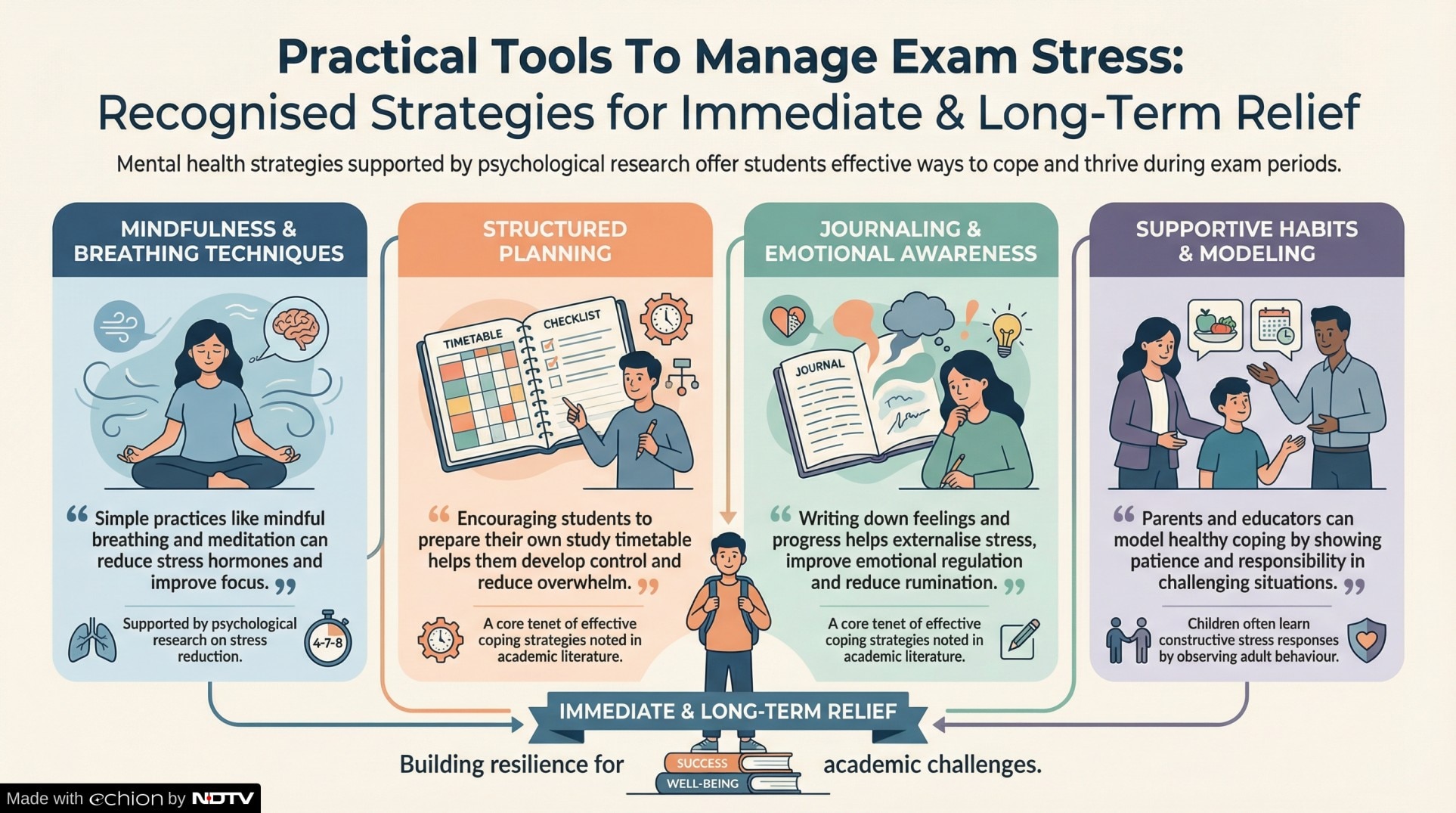
Practical Tools To Manage Exam Stress
Recognised mental health strategies offer students immediate and long-term relief:
- Mindfulness and Breathing Techniques: Simple practices like mindful breathing and meditation can reduce stress hormones and improve focus, tools supported by psychological research on stress reduction.
- Structured Planning: Encouraging students to prepare their own study timetable helps them develop control and reduce overwhelm, a core tenet of effective coping strategies noted in academic literature.
- Journaling and Emotional Awareness: Writing down feelings and progress helps externalise stress, improve emotional regulation and reduce rumination.
- Supportive Habits: Parents and educators can model healthy coping by showing patience and responsibility in challenging situations. Children often learn constructive stress responses by observing adult behaviour.
Also Read: Struggling To Study Online For Long Hours This Exam Season? 6 Hacks To Overcome Digital Fatigue
Mental Health Matters More Than Marks
Perhaps the most important message from mental health professionals is this:
Academic success should not come at the cost of mental health.
A comprehensive approach to exam stress includes recognising early warning signs, encouraging healthy coping mechanisms and ensuring accessible emotional support. "They must be helped to realise that academic success should not come at the cost of mental health," says Dr. Gopalan. "Recognising stress signals early and encouraging healthy coping habits will go a long way in helping students navigate examinations with confidence, preparing them for not just the exams but also life beyond."
Disclaimer: This content including advice provides generic information only. It is in no way a substitute for a qualified medical opinion. Always consult a specialist or your own doctor for more information. NDTV does not claim responsibility for this information.