- Drinking hot chai raises body temperature and triggers cooling sweat in summer heat
- Chai's thermogenic effect cools better than cold drinks, especially in dry climates
- Hot chai with spices aids digestion and improves blood circulation during summers
If you are Indian, then you are familiar with a cup of chai that is even consumed in peak summers. Chai represents a familiar and comforting feeling that is a must-have for certain people, and you must have wondered whether drinking it in peak summers when the outside temperature is soaring can actually benefit your body. The science is rooted in the research published in The Journal of Physiological Sciences, which indicates that drinking chai during summers causes a thermogenic effect on the body and can even prove useful for most people.
What Science Says About Chai During Summers
Generally, besides chai, consuming hot drinks raises the body's core temperature briefly, which triggers sweating, which in turn cools the body more effectively. Especially when compared with cold drinks that are commonly consumed, thinking that they are cooling when the sun is overhead. This effect has been documented in the European Journal of Applied Physiology and points to the ability of drinking chai to effectively cool your body during extremely hot temperatures is better. But the exact temperature of the chai matters, as drinking it too hot can burn your oesophagus and even cause irritation in your throat. So be mindful of the temperature of your cup of chai.
- There is even a cultural history attached to consuming beverages that have been used to remain cool in desert and tropical regions to aid cooling.
- The mechanism behind this effect is the ability of the body to sweat, which is a cooling path, and hot drinks stimulate it better than cold ones.
- This is why you need to rethink your choice of drinking cold drinks in the summer when you are thinking of cooling your body.
Also Read: Can Green Tea Help Lower Cholesterol? How Much Should You Drink?
Cultural Wisdom Meets Physiology
The Indian tradition of drinking chai is year-round, including when the temperature reaches record temperatures. And concrete research backs this claim, but you need to balance the concentration of tannins that are secreted when the tea leaves are boiled, as too much of it can cause side effects in people who are sensitive to caffeine.
When the basic cup of chai is brewed with spices like ginger and cardamom, it can also be used to aid digestion and improve blood circulation.
Note: A small cup of black tea without the milk and a squeeze of lemon can reset the gut when you are suffering from digestive discomfort.
The thermoregulation science points to the ability of most people to consume a cup of chai safely during summers, provided their body is habitual of processing it effectively.
Also Read: Nutritionist Explains How L-Theanine From Green Tea And Apples Can Help Prevent Caffeine Cravings
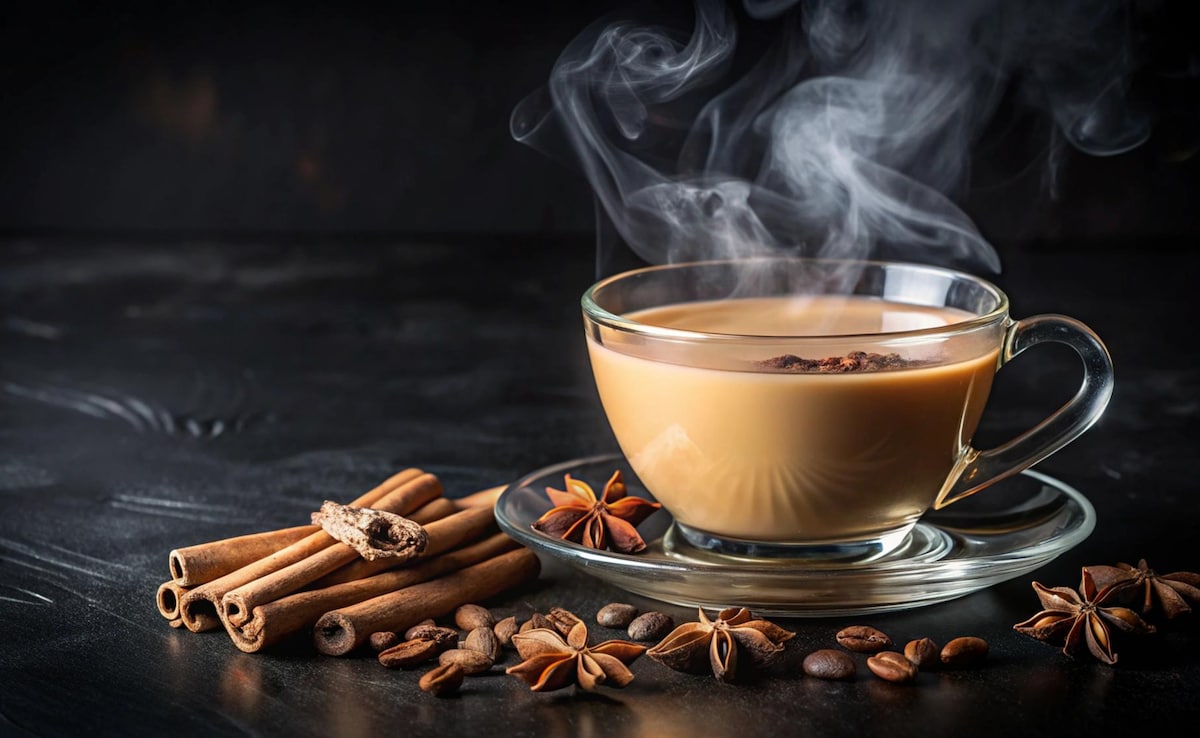
A cup of masala chai
Photo Credit: Freepik
When Chai Helps And When It Doesn't
Chai is a traditional Indian beverage that works best in certain temperatures, and its quality makes a difference in how your body processes it. For instance, chai made from loose tea leaves has a deeper and richer flavour profile than the tea prepared from tea bags, which is littered with microplastics and has a bland taste. So, the source and quality of the tea leaves greatly impact the caffeine hit your body will receive once you consume it. Here are the factors that you need to keep in mind when it comes to chai consumption:
It works best in hot and dry climates where sweat can evaporate easily, but its quantity should be tolerable for your body based on your daily consumption habits.
- Chai is less effective in humid conditions where sweat doesn't evaporate easily, as the thermogenic effect doesn't function properly.
- People with a low sweat response may not benefit as much, and those with damaged sweat glands should stay away from chai in summers.
Chai vs Cold Drinks
Chai, when compared with cold drinks that are normally consumed in summers for their momentary cooling properties, poses significant health risks. When the thermogenic effect from chai consumption and cold drinks is compared, the following differences can be seen:
- When it comes to initial body effect, chai raises the body's core temperature while cold drinks lower the core body temperature.
- The sweat response after drinking chai is high, as a hot liquid enters your internal system, while cold drinks don't cause you to sweat.
- Long-term cooling response is measured when chai is consumed; it is effective via the sweating mechanism, and on the other hand, cold drinks are less effective in this regard, especially in humid weather.
Note: When chai is compared with a cup of cold water, research published in the Journal of Physiological Sciences indicates that catechin-enriched beverages such as chai have a greater thermogenic effect.
Chai can cool you down if your body sweats efficiently and the climate allows evaporation. It's not just tradition, but it is thermodynamics at work.
Disclaimer: This content, including advice, provides generic information only. It is in no way a substitute for a qualified medical opinion. Always consult a specialist or your own doctor for more information. NDTV does not claim responsibility for this information.