




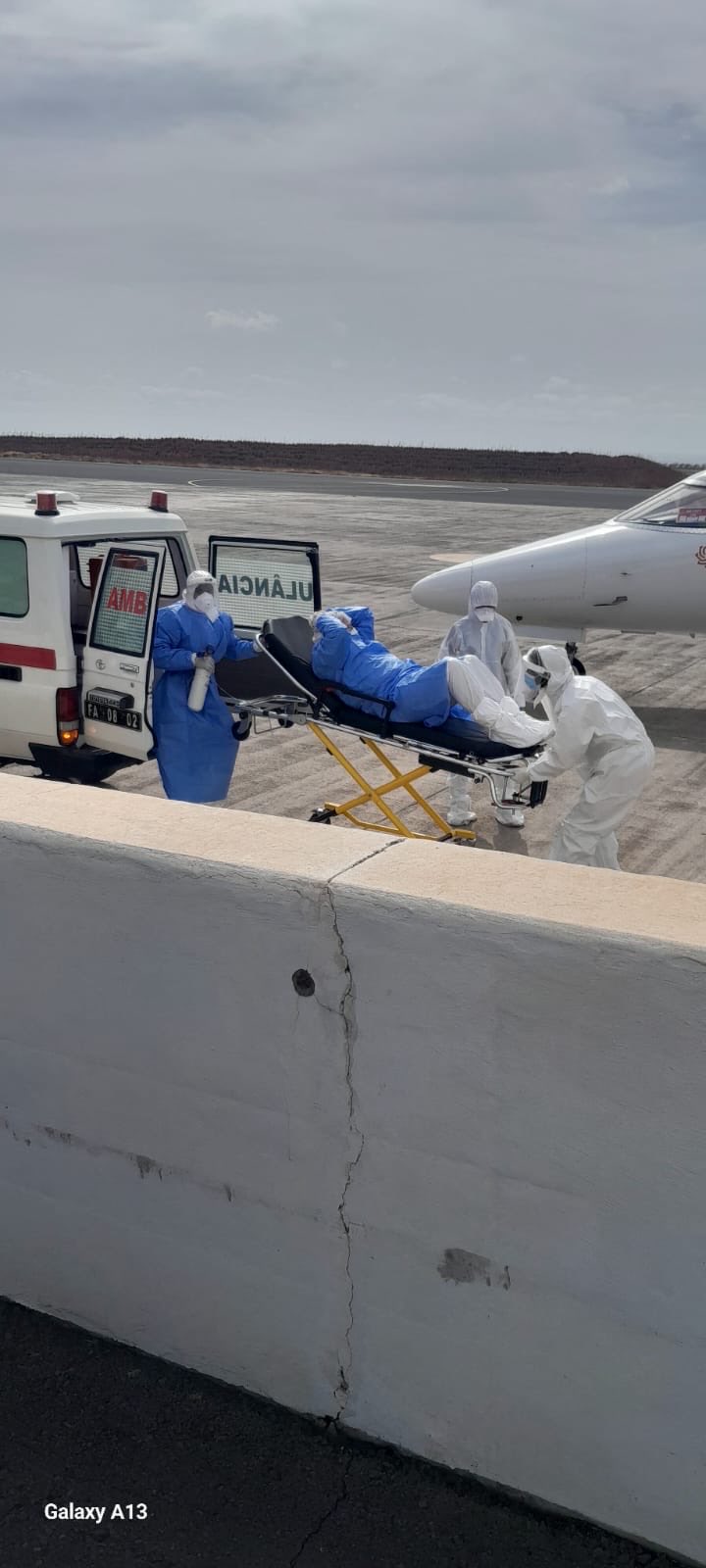









- Hantavirus outbreak on MV Hondius involved a rare Andes strain with limited human spread
- Hantaviruses are rodent-borne viruses with about 38 strains globally, mostly non-contagious
- Only the Andes strain spreads between humans, requiring close, prolonged contact
In their recent updates, the World Health Organization (WHO) and the South African health authorities have confirmed that the strain of hantavirus responsible for the cluster outbreak aboard cruise ship MV Hondius is the Andes strain. For those unaware, hantavirus is not categorised as an "easily contagious" virus in the same manner as seasonal influenza or other common respiratory ailments. Originating in rodents, the viral infection usually spreads to human only through direct contact. Human-to-human transmission is extremely rare, and this puts the recent updates on the Atlantic cruise ship hantavirus outbreak into a special, if somewhat medically alarming category.
"The preliminary tests show that, indeed, this is the Andes strain," South Africa's health minister Aaron Motsoaledi told a parliament committee yesterday. "And it happens to be the only strain out of the 38 that is known to cause human-to-human transmission. But as we said, we want to repeat again, such transmission is very rare and only happens due to very close contact between people."
Unlike pathogens that transmit rapidly through casual social interaction, hantavirus typically requires specific environmental triggers to cross the species barrier. While scientists have identified dozens of hantavirus strains globally, only one specific variant has demonstrated the capacity for person-to-person spread. This distinction serves as the foundation of current health investigations, reinforcing the fact that the specific strain often dictates the level of public threat.
What Is Hantavirus?
Hantavirus belongs to the Bunyaviridae family, a group of viruses classified as rodent-borne. Unlike zoonotic diseases carried by insects or domestic livestock, hantaviruses maintain a specialised relationship with specific species of mice, rats, and voles. These rodents act as "reservoirs", meaning they carry the virus without exhibiting symptoms, shedding the pathogen through saliva, urine, and excrement.
The virus gained significant global prominence in 1993 following an outbreak in the southwestern United States, though various forms have been documented across Europe and Asia for decades. As a rodent-borne virus, it typically thrives in rural or wilderness settings where human activity intersects with rodent habitats. Although the virus is formidable once it enters the human system, it is physically fragile outside a host; it does not persist long when exposed to direct sunlight or standard chemical disinfectants.
How Many Hantavirus Strains Exist?
Virologists have catalogued approximately 38 strains of hantavirus that are recognised as distinct species. These viral variants are distributed geographically according to the habitats of their specific rodent hosts.
- America: Home to "New World" hantaviruses, such as the Sin Nombre virus, which primarily target the respiratory system.
- Europe and Asia: Home to "Old World" hantaviruses, such as the Puumala or Hantaan viruses, which more commonly affect renal function.
The vast majority of these 38 strains are biological specialists. They are finely tuned to the physiology of a single rodent species and rarely infect humans. Even in cases of human infection, most strains reach a "biological dead end", meaning the infected individual cannot transmit the virus to others.
Also Read: Rare Human-To-Human Spread Confirmed In Hantavirus Outbreak On Cruise Ship
Why Only One Strain Is Known To Spread Between Humans
The Atlantic outbreak has drawn intense international scrutiny because it involves the Andes virus strain. Of all the known hantaviruses, the Andes strain that is native to South America is the only one documented by the scientific community to spread from human to human.
This rare form of transmission usually necessitates prolonged, intimate contact, such as that occurring within a household or among individuals sharing confined quarters on a vessel. It does not possess the high "R-naught" value seen in viruses like measles; it cannot remain suspended in large public hallways for extended periods. The science-led framing of this incident suggests that while the Andes strain is unique, its transmission potential remains significantly lower than that of common community-acquired infections.
How Hantavirus Usually Spreads To Humans
For the general population, the primary risk is environmental rather than social. The mechanism of how hantavirus spreads is almost exclusively through aerosolisation. When dried rodent waste is disturbed during the cleaning of an old shed or an attic, then microscopic viral particles are released into the air.
- Inhalation: Humans breathe in these contaminated airborne particles.
- Enclosed Spaces: Risks increase in poorly ventilated areas where viral concentrations can accumulate.
- Direct Contact: Touching contaminated surfaces and subsequently touching the nose or mouth represents a secondary, though less frequent, route of infection.
Why Cruise Ships Are Unusual Settings For Hantavirus
Cruise ships are typically monitored for norovirus, which spreads via shared surfaces and hand-to-hand contact. Hantavirus is considered an "unusual suspect" in a maritime context because modern vessels maintain stringent pest control and structural standards.
Health investigators believe that in the Atlantic case, the virus did not originate from rodents living on the ship. Instead, evidence suggests the initial passengers were exposed to the Andes strain while on land in South America prior to embarkation. The "outbreak" occurred because the Andes strain utilised its unique human-to-human capability within the social environment of the vessel. Despite the headlines, the overall risk to the cruise industry is considered low, as the combination of this specific strain and a maritime environment is historically rare.
Symptoms To Watch For
Identifying hantavirus symptoms in the early stages is difficult because the initial phase mimics many common viral illnesses.
- Early Phase: Intense fever, headaches, and significant muscle aches, particularly in the thighs, hips, and back.
- The Transition: After 4 to 10 days, the "pulmonary phase" may begin, characterised by a dry cough and sudden, severe shortness of breath as the lungs fill with fluid.
- Medical Care: Since there is no specific antiviral cure, immediate hospitalisation for supportive care, such as oxygen therapy, is vital for recovery.
What Health Authorities Are Saying
The World Health Organization (WHO) and the CDC have maintained a vigilant but composed stance. Efforts are currently focused on contact tracing and monitoring the health of individuals who were in proximity to the confirmed cases. The official position remains that this is a contained incident involving a specific viral variant. Health authorities emphasise that panic is counterproductive; the investigation is focused on ensuring the Andes strain does not establish a foothold in new regions, a task deemed manageable given the virus's limited transmission dynamics.
The defining takeaway of the Atlantic cruise situation is the importance of strain-specific risk assessment. While "hantavirus" is a term that carries significant weight, the reality is that the vast majority of its strains remain confined to the wilderness. This incident serves as a reminder that most hantaviruses do not, and cannot, infect humans through social contact. By maintaining an awareness of transmission mechanics and prioritising sanitation over alarmism, the global community can navigate these health updates with clarity. The situation does not represent a new pandemic, but rather a rare biological encounter that modern science is equipped to manage.
Disclaimer: This content, including advice, provides generic information only. It is in no way a substitute for a qualified medical opinion. Always consult a specialist or your own doctor for more information. NDTV does not claim responsibility for this information.


