- Vitamin C is vital for immune support, especially amid rising pollution and infections
- Amla juice contains 600-700 mg vitamin C per 100g, much higher than lemon's 30-40 mg
- Amla's vitamin C is more stable and better absorbed than lemon juice, enhancing immunity
Vitamin C plays a crucial role in strengthening immune function, which can be weakened by various factors. With increasing exposure to pollutants, many people require support to maintain a healthy immune system. As seasonal infection rates rise, the demand for simple, natural remedies to boost immunity grows as well. This has made drinking immunity shots a popular practice for promoting wellness through natural sources. In India, staple ingredients known for their rich nutrient content are often chosen to provide the optimal levels of vitamin C necessary for proper immune function. Among the most popular and easily prepared immunity shots are amla (Indian gooseberry) juice and lemon water. Although both differ in nutrient density, absorption rates, and health benefits, understanding the mechanisms behind their effects is essential to determine which one can offer a faster and more effective immune boost.
How Does Amla Juice And Lemon Water Boosts Immunity?
1. Vitamin C Content Of Amla Juice And Lemon Water
There is increasing clinical evidence from nutrition studies on the specific vitamin C concentration of amla and lemon water. It is important to differentiate between the packaged and fresh versions of these immunity shots and their effect on the body. As packaged amla juice may contain preservatives, additives, and artificial flavours that can depreciate its nutritional value. And the same is the case for bottled lemon water, while fresh versions of both immunity shots can accelerate immune function due to their high vitamin C content. According to the Indian nutrition guidelines, Indian gooseberry contains 600-700 mg per 100 g fresh fruit, and lemon contains 30 to 40 mg per 100 g fresh fruit. And the respective juice and water prepared from it have an additional hydration factor, as their nutrients are extracted in a liquid. But, if only the vitamin C content is looked at, the Indian gooseberry provides much more vitamin C than a glass of lemon water. Here is what the studies say:
- According to the Food Science and Nutrition journal, lemon water contains vitamin C and hydration benefits, considering the amount of actual lemon peel or whole lemons used to prepare the water.
- As per the Journal of Ethnopharmacology, amla contains an exceptionally high vitamin C and antioxidant profile, which also makes amla juice a rich source, provided it is extracted via cold-pressing.
Also Read: Can Drinking Lemon Water Right After Waking Up Give You A Vitamin C Boost?
2. Bioavailability And Absorption Of Amla Juice And Lemon Water
The main aspect that makes a difference in how much vitamin C is actually extracted from a glass of amla juice or lemon water depends on how bioavailable it is. Studies show that the vitamin C in Indian gooseberries is highly stable due to polyphenols and tannins, which protect ascorbic acid from oxidation. This enhances absorption and prolongs antioxidant activity in the body upon consumption. Here is the specific type of Indian gooseberry variety and lemons that can help boost your vitamin C levels:
- Indian varieties of amla, like banarasi and chakaiya, are widely consumed. Chakaiya amla, though smaller, has a denser amount of vitamin C and is often used in medicinal preparations.
- Kagzi Nimbu from North India and Assam Lemon from the Northeast are common. Kagzi is preferred for lemon water due to its high juice yield.
There are multiple studies that offer an effective comparison of amla juice and lemon water and their corresponding benefits. These studies are published in the International Journal of Pharmacognosy and Pharmaceutical Research and the World Journal of Pharmaceutical Research, which effectively prove which one is better. Here is what they say:
- Amla juice retains vitamin C longer and shows higher stability compared to lemon juice.
- Amla's vitamin C is more resistant to degradation, while lemon juice loses potency faster once it is kept at room temperature.
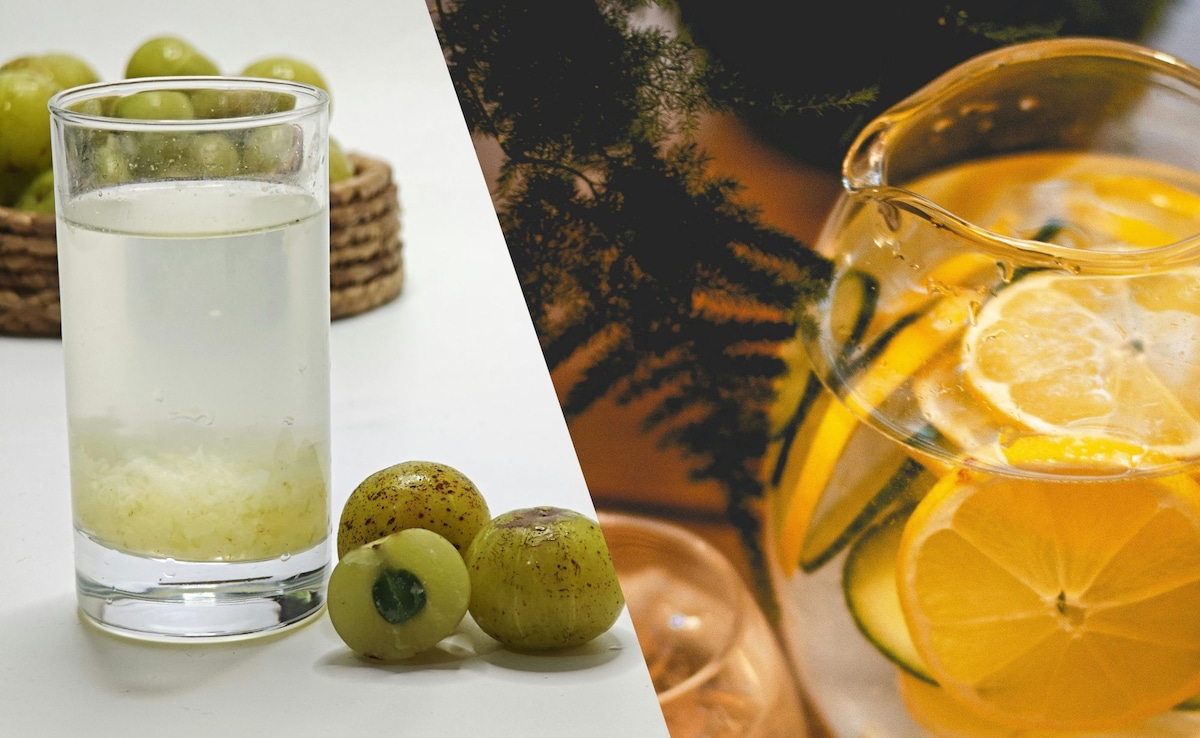
Amla juice and lemon water
Photo Credit: Pexels
3. Immunity Benefits Of Amla Juice And Lemon Water
Studies in the International Journal of Pharmacognosy and Life Science and the International Journal of Zoology Research confirm that the ample level of vitamin C intake in both amla juice and lemon water can reduce infection risk. Another factor to consider while making your choice is to consider whether you are also looking for enhanced iron absorption. As the citric acid in lemon enhances non-heme iron absorption, it is important in anaemia-prone populations such as India. Here are additional health benefits that amla juice and lemon water provide.
- While the Indian gooseberry contains more antioxidants, lemon water is more hydrating. So, choosing the one for its intended purpose matters. If you are looking for a high dose of vitamin C, then choose cold-pressed amla juice.
- But if you are purely looking for hydration, then lemon water is a better option, as it is more citrussy and less sour when compared to unsweetened freshly squeezed amla juice.
Note: Amla juice and lemon water can both have side effects for certain individuals, especially when taken in excess or by those with underlying conditions.
Also Read: 6 Health Benefits Of Amla Or Indian Gooseberry
Side Effects Of Drinking Amla Juice And Lemon Water
- Gastrointestinal irritation: High vitamin C and acidity can cause stomach upset, diarrhoea, or cramps in sensitive individuals.
- Kidney stone risk: Excess vitamin C may increase urinary oxalate, raising the risk of kidney stones.
- Drug interactions: Amla may enhance the effect of anticoagulants (blood thinners), potentially increasing bleeding risk.
- Hypoglycemia: In diabetics already on medication, amla's blood sugar-lowering effect may cause excessively low glucose levels.
- Dental erosion: Citric acid can erode tooth enamel if consumed frequently without rinsing.
- Acid reflux: Lemon water may worsen bowel issues or acid reflux symptoms in susceptible individuals.
- Electrolyte imbalance: Excessive intake may lead to potassium loss due to flushing of fluids.
To look at it plainly, amla juice provides a higher vitamin C concentration, and lemon water supports hydration and digestion. But both can complement immunity when consumed wisely and in rotation to offer variety to your hydration routine and immunity shots line-up. And you need to practise an overall healthy lifestyle that encompasses a proper diet and regular exercise for the best results. And consult a medical professional if you have pre-existing medical conditions.
Disclaimer: This content, including advice, provides generic information only. It is in no way a substitute for a qualified medical opinion. Always consult a specialist or your own doctor for more information. NDTV does not claim responsibility for this information.