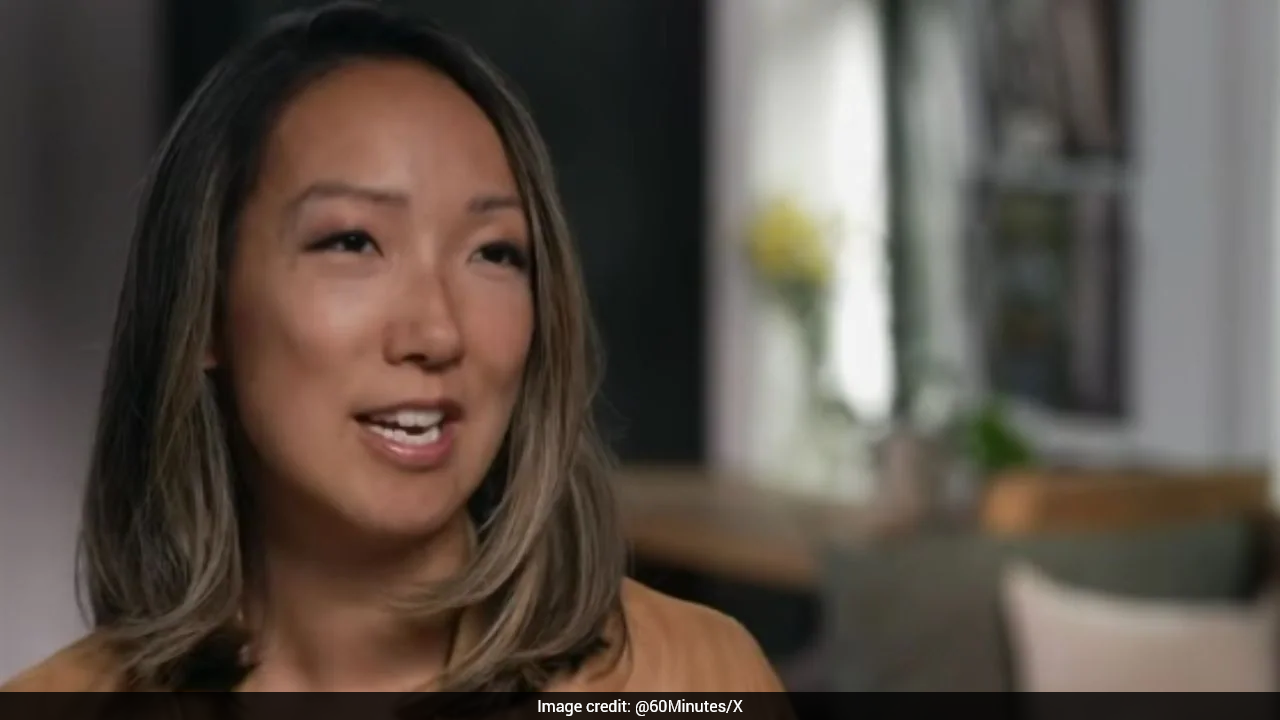

Clara Shih, former AI lead at Salesforce and Meta, said artificial intelligence (AI) is evolving rapidly, making it difficult to predict exactly how it will affect jobs in the future. Responding to a CBS News journalist's question about what AI means for jobs, Shih said there would be three types of jobs going forward: people who build AI, people who use AI, and people who are managed by AI. She said the third category already exists, citing Uber drivers, DoorDash delivery workers and, increasingly, knowledge workers such as customer support representatives and sales development representatives.
According to Shih, AI is effectively supervising the work of these workers. She said most people assume they will fall into the second category, those who use AI, but that group is smaller than many realise and is shrinking.
Asked about data suggesting that young people are particularly vulnerable to the impact of AI, Shih said she had observed the trend both through her own experience and in economic data.
What does AI mean for your job? Although there is no crystal ball, former AI executive Clara Shih says she predicts there will be three types of jobs going forward: people who are building AI, people who are using AI, and people managed by AI. https://t.co/S7CIGBnU47
— 60 Minutes (@60Minutes) October 7, 2026
She said the companies she previously worked for had reduced their hiring of entry-level employees. She also cited data showing that one in two recent college graduates in the US are either unemployed or working in jobs that do not require their degree.
Shih said that in the areas she led, where she built AI products and businesses, companies found that AI was "so much more capable right out of the gate" than many people they could hire straight out of college. She said this led to changes in their hiring practices.
Warning about the broader impact of AI on employment, Shih said, "Without intervention, what happened to manufacturing will happen across every major city in America."
She added that the shift is happening faster than many people realise and highlighted the employment challenges faced by recent graduates. Shih founded the nonprofit New Work Foundation to help young people navigate the changing job market.
