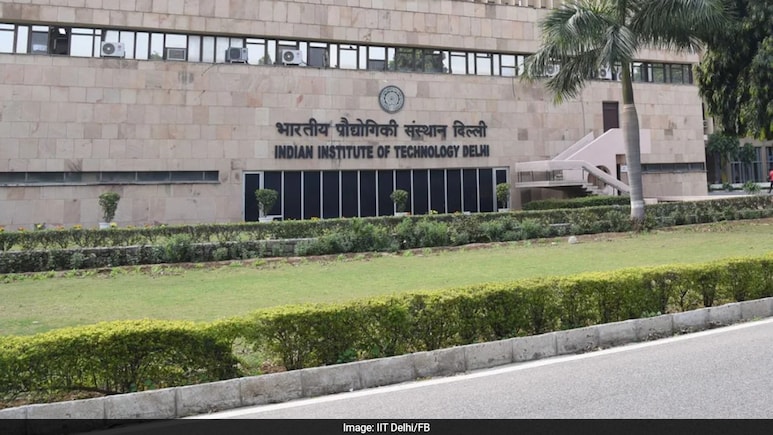
IIT JEE Preparation: Securing admission to the Indian Institutes of Technology (IITs) remains a top aspiration for students seeking high-growth careers, strong professional identity, and long-term opportunities. Starting IIT JEE preparation early offers a clear advantage, which is why many aspirants now begin focused preparation while still in school, often soon after their Class 10 results.
Given the vast syllabus and intense competition, beginning preparation in Class 11 is considered a well-informed decision. At this stage, students gain greater clarity about their career goals and are better positioned to balance JEE preparation alongside their regular academic studies.
The Class 11 syllabus lays the foundation for the Joint Entrance Examination (JEE). A strong grasp of concepts taught during this year is critical, as these topics reappear in greater depth in both JEE Main and JEE Advanced. Consistent study and conceptual clarity in Class 11 help students build a solid base, while skipping chapters or missing classes can seriously affect their overall preparation and chances of securing admission to top IITs.
The Joint Entrance Examination (JEE), commonly known as IIT JEE, is widely regarded as one of the toughest engineering entrance exams in India. Every year, lakhs of candidates appear for JEE Main and JEE Advanced to compete for seats in premier institutions such as the IITs, National Institutes of Technology (NITs), and other top-ranked engineering colleges.
Why Starting JEE Preparation In Class 11 Is Important
The concepts taught in Physics, Chemistry, and Mathematics in Class 11 closely align with the JEE syllabus. Beginning preparation at this level allows students ample time to understand concepts thoroughly and revise them multiple times before appearing for both Class 12 board exams and competitive entrance tests.
Early preparation also reduces the pressure in Class 12, when students must manage board examinations along with engineering entrance exams. A strong Class 11 foundation enables students to focus more on advanced problem-solving and revision in their final year of school.
"Starting JEE preparation in Class 11 helps students systematically cover the syllabus, strengthen their conceptual understanding through regular revision, and approach the exam with confidence and reduced stress," said Mohit Tyagi, Co-Founder and Director of Competishun.
He shared these key preparation tips for Class 11 Students:
Follow A Structured Study PlanStudents should create a well-organised study schedule by breaking the syllabus into smaller, manageable sections and assigning realistic time limits. Equal attention must be given to Physics, Chemistry, and Mathematics, with additional focus on topics that require more effort.
Practise Mock Tests And Previous Years' Question Papers
Regular practice with mock tests helps students familiarise themselves with the exam environment and time pressure. Analysing performance after each test allows candidates to identify mistakes and areas needing improvement. Solving previous years' papers also provides insight into question patterns and difficulty levels.
Seek Proper Guidance When Needed
Students may consider enrolling in a reputed coaching institute or seeking guidance from teachers, seniors, or reliable online platforms. Proper mentorship helps in clearing doubts, correcting misconceptions, and staying on the right preparation track.
Work On Time Management Skills
Practising questions under timed conditions is essential to improve speed and accuracy. Students should learn to distribute their time effectively across sections and avoid spending too long on a single question, ensuring balanced coverage of the entire syllabus.
Stay Motivated And Maintain A Positive Mindset
Confidence and mental resilience play a crucial role in long-term preparation. Instead of focusing on setbacks, students should treat mistakes as learning opportunities and remain consistent in their efforts.
Maintain A Healthy Balance
Alongside academics, engaging in physical activity or hobbies helps manage stress and improves concentration. A balanced routine supports better productivity and mental well-being.
Importance Of NCERT And Quality Study Material
NCERT textbooks form the backbone of JEE preparation, especially for Chemistry and the theoretical aspects of Physics and Mathematics. Completing NCERT thoroughly before moving to advanced reference material is highly recommended. Students should prioritise quality study resources over excessive material.
Role Of Coaching And Self-Study
Many students opt for coaching classes in Class 11 as they provide structured guidance, discipline, and clarity of concepts. While coaching can be beneficial, self-study remains equally important. Active classroom participation, timely completion of assignments, and regular self-evaluation through tests are essential to identify weaknesses and improve performance.
Starting early, staying consistent, and focusing on conceptual clarity can significantly enhance a student's chances of success in the IIT JEE journey.
