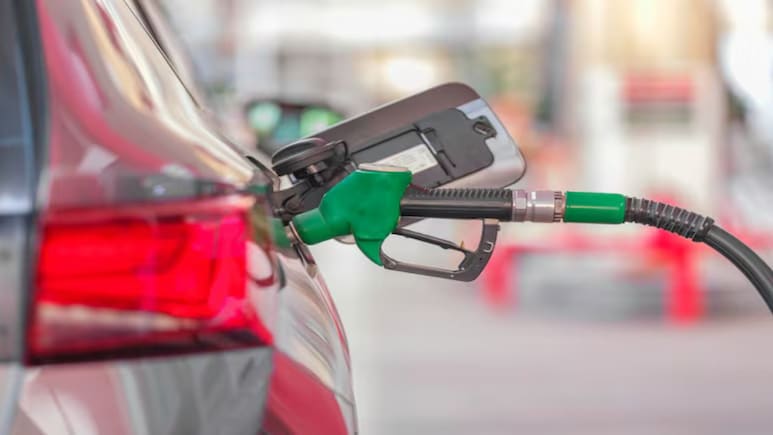
- The Indian government mandates nationwide dispensing of E20 fuel with 95 RON from April 1, 2025
- The fuel must meet BIS standards and allow limited regional exemptions for a short period
- E20 fuel raises octane rating to approximately 97-98 RON, enhancing engine performance
The Indian government's new fuel mandate comes into force today (April 1st 2025), requiring petrol pumps across the country to dispense E20 fuel with a minimum 95 RON octane rating. Applicable across all states and Union Territories, the move marks the next major phase of India's ethanol blending roadmap aimed at cleaner mobility, lower crude oil dependence, and stronger energy security.
95 RON E20 Fuel Rule Comes Into Effect Nationwide
The directive was issued earlier through a February 17 notification by the Ministry of Petroleum and Natural Gas, instructing oil marketing companies to supply petrol blended with up to 20 percent ethanol. The fuel must also comply with Bureau of Indian Standards (BIS) specifications to maintain uniform quality throughout the country. The Centre has, however, allowed room for limited exemptions in specific regions or exceptional situations for a short duration if required.
The 95 RON benchmark is particularly significant because it improves the fuel's resistance to engine knocking, which can otherwise lead to uneven combustion, lower efficiency, and possible long-term engine wear. Standard petrol in India generally carries an octane rating of around 91 to 92 RON, while ethanol itself naturally offers a much higher octane value of roughly 108 RON.
Also Read: From Hyundai Mobilet To BMW: April Fool Car Pranks That Broke The Internet
Higher Octane Fuel Aims To Protect Engines And Cut Imports
With a 20 percent ethanol blend, the overall octane level rises noticeably. Oil industry estimates suggest the increase is close to 6 RON, effectively pushing E20 petrol to approximately 97 to 98 RON. This higher octane level not only helps engines run smoother but also improves combustion stability under compression.
Beyond vehicle performance, the move is aimed at reducing India's reliance on imported crude oil, cutting emissions, and strengthening long-term energy security. Since ethanol is produced domestically from crops such as sugarcane, maize, and other grains, the policy is also expected to generate stronger demand for agricultural feedstock and support farmer incomes.
The ethanol blending programme has already delivered major economic gains by helping India save substantial foreign exchange otherwise spent on crude imports. With the new mandate now active, those savings are expected to grow further while also supporting the country's larger sustainable mobility goals.
Track Latest News Live on NDTV.com and get news updates from India and around the world
