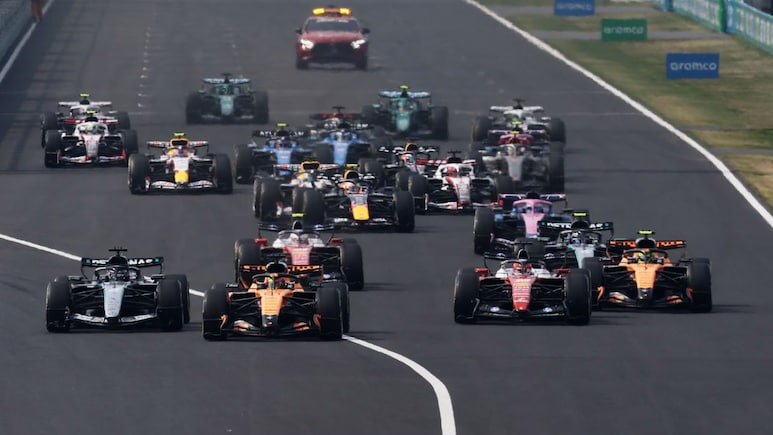
- Formula 1 will implement 2026 regulation changes starting from the Miami Grand Prix
- Energy harvesting limit cut to 7MJ per lap to improve qualifying lap consistency
- Super-clipping power increased to 350kW for better energy recovery on full throttle
Formula 1 has introduced a set of measured changes to its 2026 regulations following feedback from drivers and teams after the opening races. The updates, approved by the FIA, will come into effect from the upcoming Miami Grand Prix schedueld for 4th May 2026, with a focus on improving drivability, reducing excessive energy management, and enhancing safety.
One of the key areas addressed is qualifying. Drivers had raised concerns about the need to lift off the throttle to recharge batteries, which felt counterintuitive on a push lap. To address this, the FIA has reduced the energy harvesting limit from 8MJ to 7MJ per lap. At the same time, the "super-clipping" limit has been increased from 250kW to 350kW, allowing better energy recovery even when the driver is on full throttle. Together, these changes aim to make qualifying laps more consistent and closer to flat-out driving.
Also Read: Former F1 Driver Karun Chandhok Explains What India Needs To Bring Back Formula 1: Video
Adjustments have also been made to power deployment during races. The maximum boost has now been capped at 150kW, while full electrical deployment of 350kW will only be available in specific acceleration zones. In other parts of the lap, deployment will be limited to 250kW. This is expected to reduce large speed differences between cars, which had become a concern in certain on-track situations.
The FIA is also looking at improving safety during race starts. A new system will be trialled that can detect cars with unusually low acceleration and automatically provide additional electrical deployment to help them get off the line safely. Visual warning lights will also be used to alert drivers behind.
Also Read: Supreme Court Bans Truck Parking On Highways: What The New Road Safety Rules Mean
For wet conditions, changes include increasing tyre blanket temperatures to improve initial grip, reducing electrical deployment to make cars easier to control, and simplifying rear light systems for better visibility.
Track Latest News Live on NDTV.com and get news updates from India and around the world
