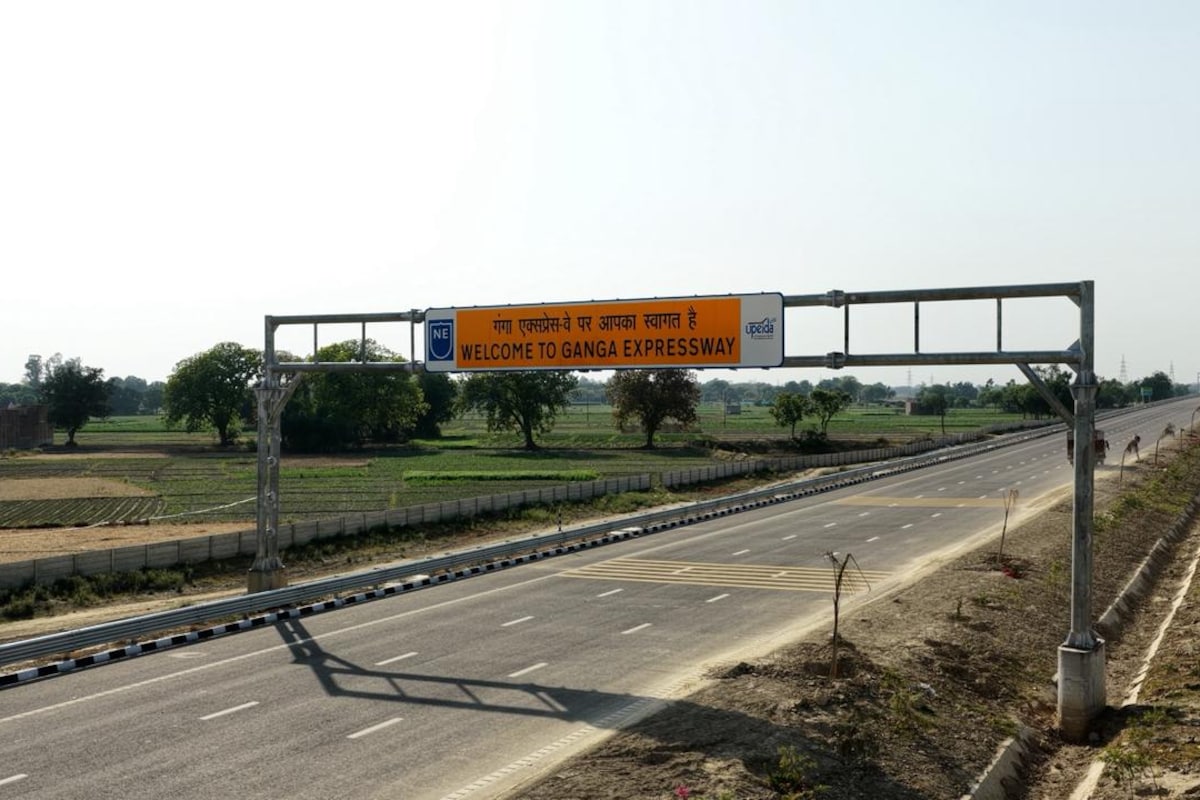
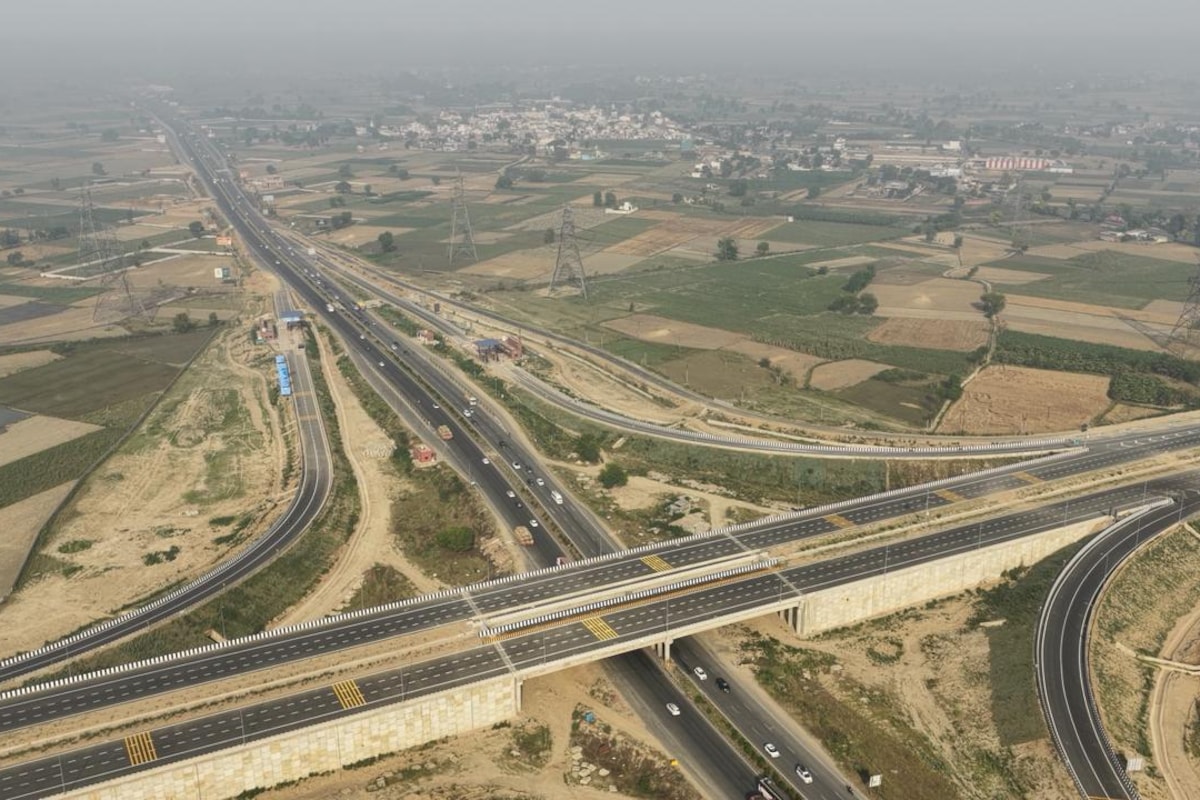
- The Ganga Expressway is nearly 600 km long and built to high engineering standards in Uttar Pradesh
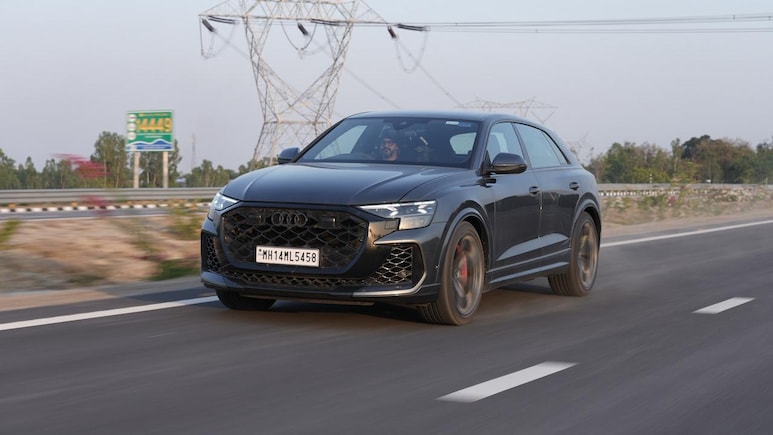
- An Audi RS Q8 reached 303 km/h on a closed airstrip section demonstrating the road's high capability
- Modern expressways in India meet or exceed global standards with advanced design and materials
There are moments on a road when you realise how far a country has come. The Ganga Expressway delivers many such moments.
The surface is immaculate. The lanes are wide, consistent, and confidence-inspiring. Sightlines stretch endlessly. There is no sense of patchwork engineering or compromise. This is a road built with intent - designed to move people and goods quickly, safely, and efficiently across nearly 600 kilometres of Uttar Pradesh.
In pure engineering terms, the Ganga Expressway is among the best quality highways India has ever built.
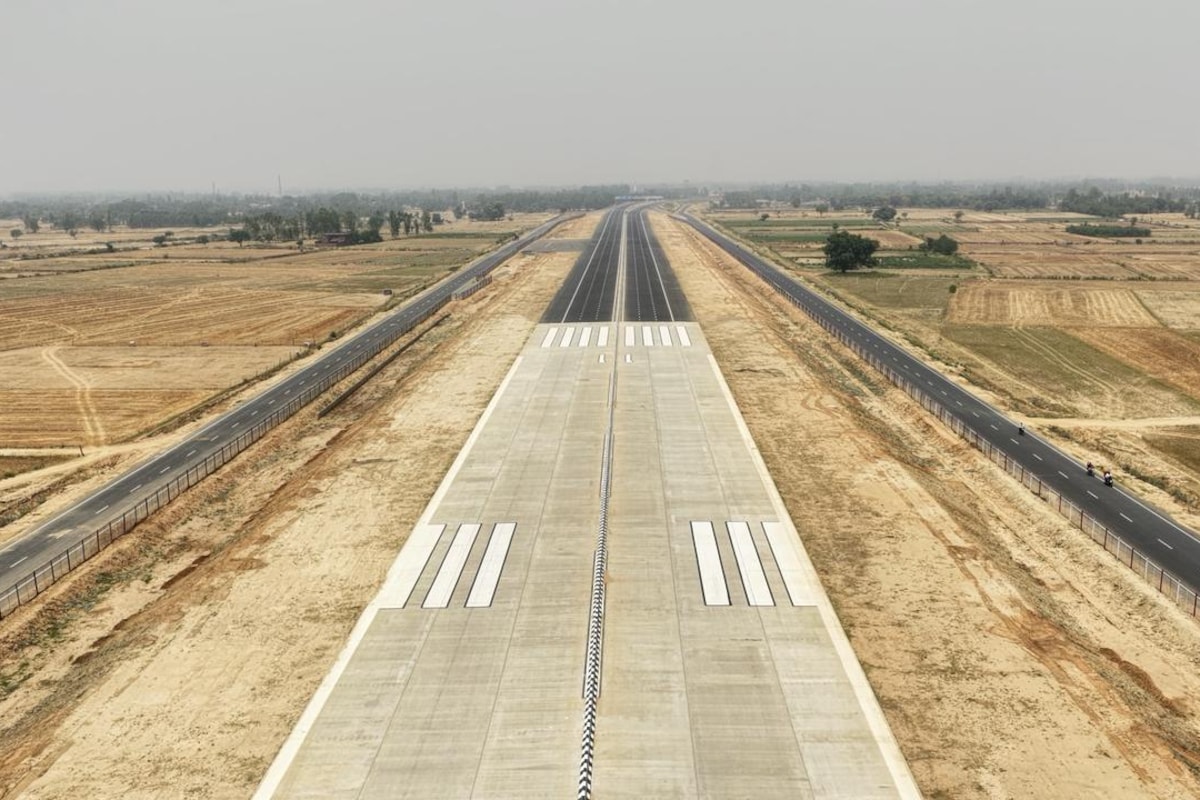
During NDTV AutoMate's exclusive pre-inauguration access, one thing became abundantly clear: this road can handle far more than what it legally allows. Under closed and controlled conditions, on an integrated airstrip section of the expressway, the Audi RS Q8 reached a verified 303 km/h. The vehicle was stable. The road surface remained composed. There was no drama.
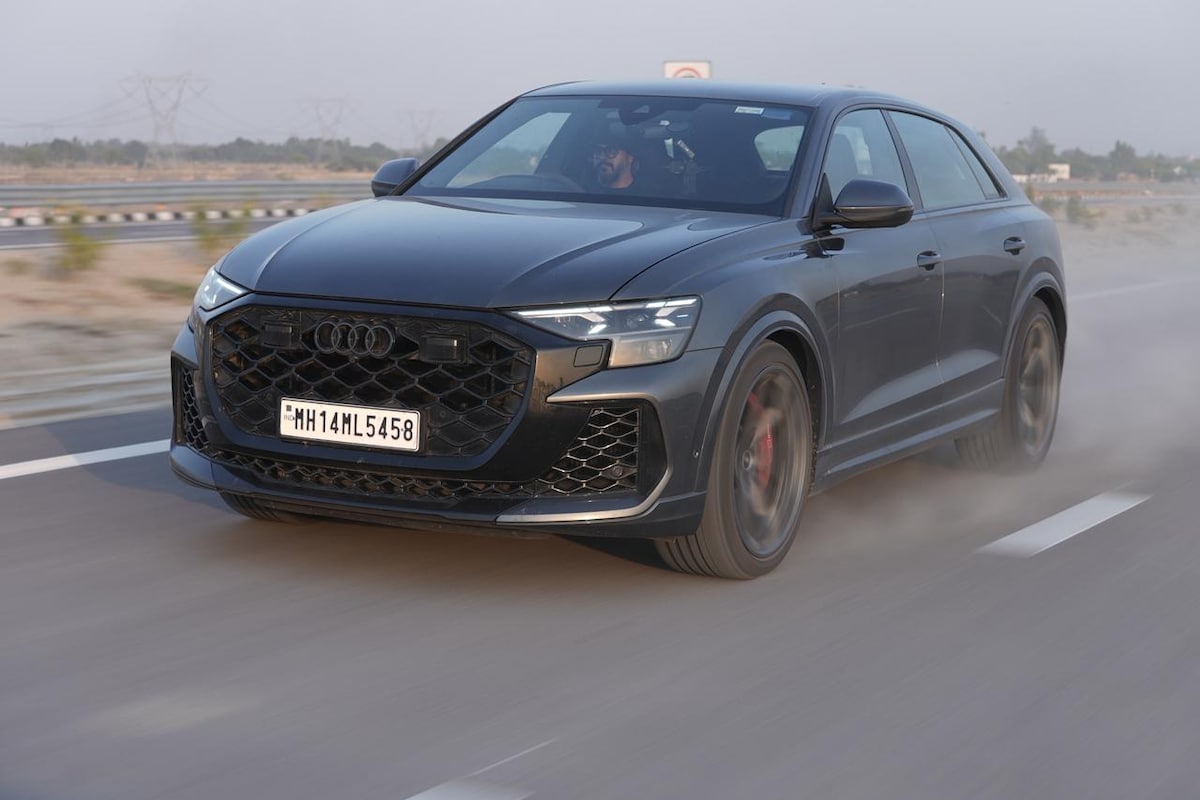
That test was not about glorifying speed. It was about understanding capability.
And capability, today, is no longer India's limitation.
"Disclaimer: This sequence was filmed and performed under controlled conditions on a closed airstrip section of the expressway. Do not attempt this. Always follow speed limits. We do not endorse high-speed driving; drive responsibly."
Infrastructure Is No Longer the Weak Link
For decades, Indian drivers blamed poor roads for poor driving outcomes. Broken surfaces, unpredictable design, and inconsistent standards made high-speed travel risky even when traffic was light.
Also Read: Ganga Expressway: India's Fastest Drive Yet With Audi RS Q8
That argument no longer holds.
Modern expressways like the Ganga Expressway, the Delhi-Mumbai Expressway, and newer access-controlled corridors are built to standards that match - and in some cases exceed - those seen in developed nations. Lane discipline is engineered in. Banking, drainage, expansion joints, and asphalt quality are designed for sustained speeds.
In short, the hardware is ready.
But infrastructure alone does not make a transport system safe or efficient. Behaviour does.
Why Speed Limits Matter More on Better Roads
Ironically, the better the road, the greater the responsibility on the driver.
On a smooth, straight expressway, speed feels deceptively comfortable. Cars feel planted. Engines are barely working. Fatigue creeps in slowly. That's exactly why discipline matters more here than anywhere else.
Speed limits on expressways are not arbitrary. They are factoring in braking distances, reaction times, traffic mix, weather conditions, and emergency response windows. At 120 km/h, everything works in balance. Push beyond that, and margins shrink dramatically - even on a perfect road.
The Ganga Expressway also removes another excuse drivers often rely on: anonymity.
This is a fully AI-monitored expressway, with cameras, sensors, and automatic number plate recognition systems tracking speed and violations continuously. Overspeeding will not go unnoticed. Penalties will be automated. There will be no room for interpretation.
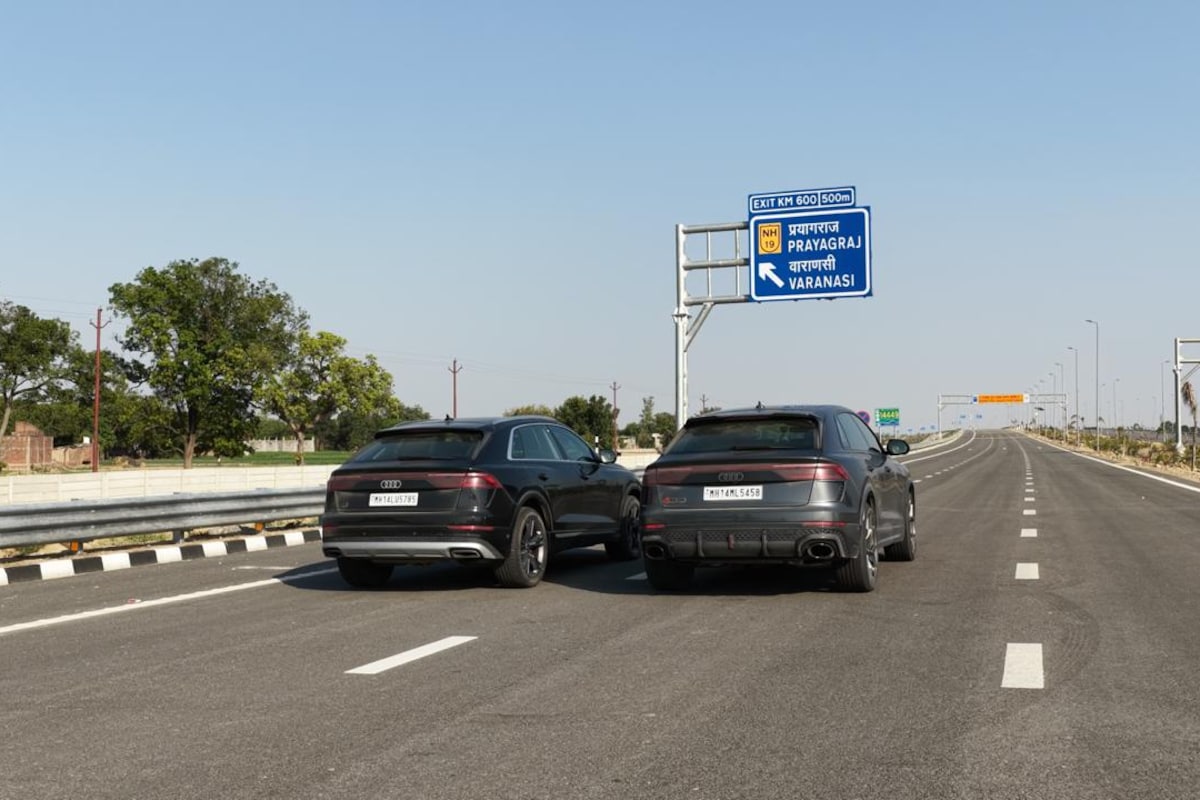
In that sense, the expressway is not just modern in construction, but modern in enforcement.
Capability Does Not Equal Permission
The controlled 300 km/h run on the airstrip that's strategic to India on the Ganga Expressway, with the Audi RS Q8, proves one thing very clearly - India's best roads can handle extreme speeds.
But that does not mean they are meant for them.
Motorsport exists on tracks for a reason. High-speed testing happens under supervision for a reason. Public roads, no matter how well built, serve a completely different purpose. They carry families, commercial vehicles, first responders, and everyday commuters.
The real mark of a mature driving culture is not how fast a road can go, but how responsibly it is used.
"Disclaimer: This sequence was filmed and performed under controlled conditions on a closed airstrip section of the expressway. Do not attempt this. Always follow speed limits. We do not endorse high-speed driving; drive responsibly."
The Road Ahead: Etiquette Must Catch Up
India's expressway network is entering a new phase. The challenge is no longer just building faster corridors, but teaching users how to coexist on them.
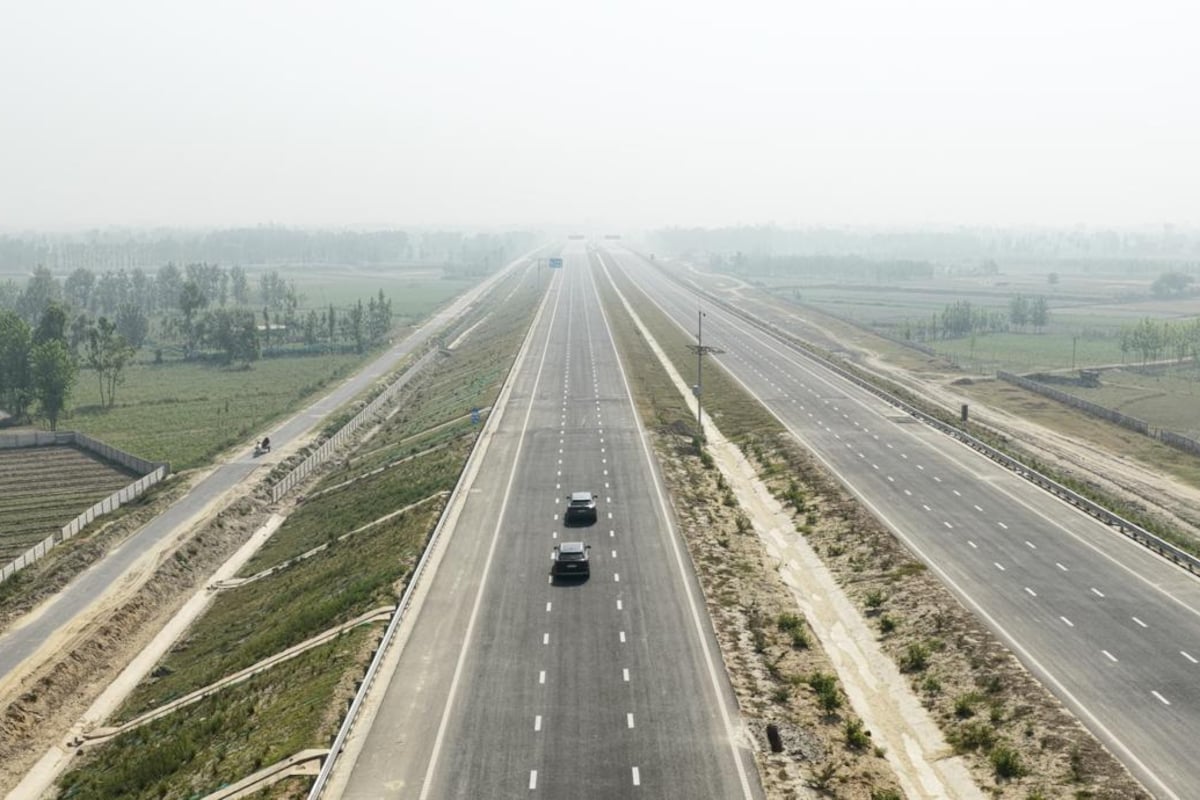
Lane discipline. Indicator usage. Respecting speed limits. Understanding fatigue. These are not optional skills on modern highways; they are essential.
The Ganga Expressway shows what is possible when ambition meets execution. It is a statement of confidence in India's engineering capability. But it also places the responsibility squarely back where it belongs, with the driver.
Because progress is not just measured in kilometres covered faster.
It is measured in how safely, responsibly, and respectfully we travel together.
Track Latest News Live on NDTV.com and get news updates from India and around the world
