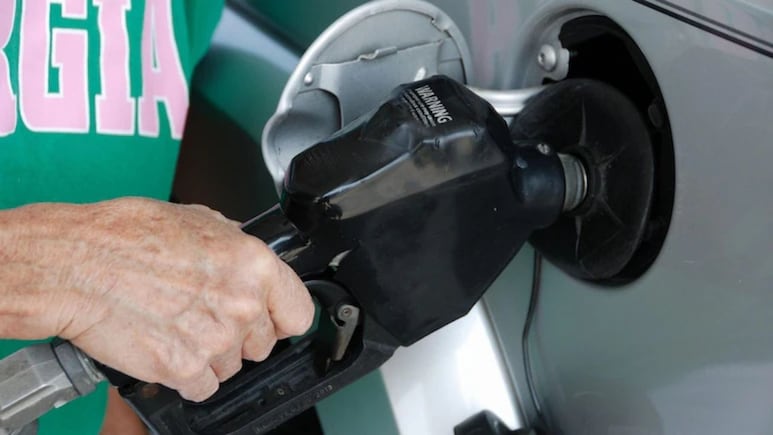
With tensions in the Middle-East, global crude oil prices have witnessed a steep rise. With friction in the Strait of Hormuz due to the Iran-Isreal-USA war, the global crude oil supply has seen a sharp decline. Resultantly, increasing panic-led demand and thus, prices. While fuel prices often reflect such international developments, this gives a window to consumers to adopt smarter habits to get more kilometres from every litre of petrol or diesel.
Maintain Consistent Speeds On Highways
Modern vehicles are generally engineered to deliver their best fuel efficiency at steady highway speeds. Driving significantly faster than this optimal range can increase fuel consumption as the engine works harder and aerodynamic drag rises. Maintaining a consistent speed, especially during highway cruising, can therefore help improve fuel economy. Using cruise control where available can also assist in keeping the vehicle at a stable pace, preventing unnecessary acceleration and braking.
Avoid Sudden Acceleration And Hard Braking
Aggressive driving habits such as rapid acceleration and sudden braking can significantly increase fuel usage. Smooth and gradual throttle inputs allow the engine to operate more efficiently. Anticipating traffic conditions ahead and easing off the accelerator when approaching traffic lights or slow-moving vehicles can also reduce fuel consumption by minimising unnecessary stops and starts.
Also Read: Renault Duster Launching Tomorrow: Here's All About The Creta Rival
Make Use Of Start-Stop Systems
Many modern vehicles come equipped with automatic start-stop technology that temporarily shuts down the engine when the car is stationary, such as at traffic signals. Allowing this system to operate as intended can help save fuel, particularly in heavy urban traffic where vehicles spend considerable time idling.
Reduce Unnecessary Weight And Drag
Carrying excess weight in the boot or rear seats can negatively affect fuel economy. Removing items that are not needed for daily driving helps reduce the load on the engine. Similarly, external accessories such as roof racks, cargo boxes or bike carriers create aerodynamic drag, which forces the vehicle to burn more fuel. If these accessories are not in use, removing them can improve efficiency.
Ensure Proper Tyre Pressure
Tyre pressure plays an important role in how efficiently a vehicle moves. Under-inflated tyres create higher rolling resistance, making the engine work harder to maintain speed. Checking tyre pressure regularly and keeping it within the manufacturer's recommended range can improve both fuel efficiency and tyre lifespan.
Keep Your Vehicle Well Maintained
Routine maintenance is essential for optimal fuel economy. Components such as air filters, spark plugs and oxygen sensors play a key role in ensuring the engine runs efficiently. A clogged air filter or malfunctioning sensor can increase fuel consumption. Regular servicing helps ensure the vehicle operates at peak efficiency.
Plan Trips Accordingly
Careful planning of trips can also help reduce fuel usage. Combining multiple errands into a single outing prevents unnecessary driving and saves fuel. Drivers can also make use of smartphone apps that compare fuel prices across different stations, allowing them to find more economical options along their route.
Consider Fuel Choices And Future Alternatives
Using the recommended fuel grade for a vehicle is important, as some cars require premium fuel while others are designed to run efficiently on regular petrol. Looking ahead, motorists considering a vehicle upgrade may also explore hybrid models, which offer improved fuel economy, or electric vehicles as a longer-term alternative to traditional fuel-powered cars.
Track Latest News Live on NDTV.com and get news updates from India and around the world
