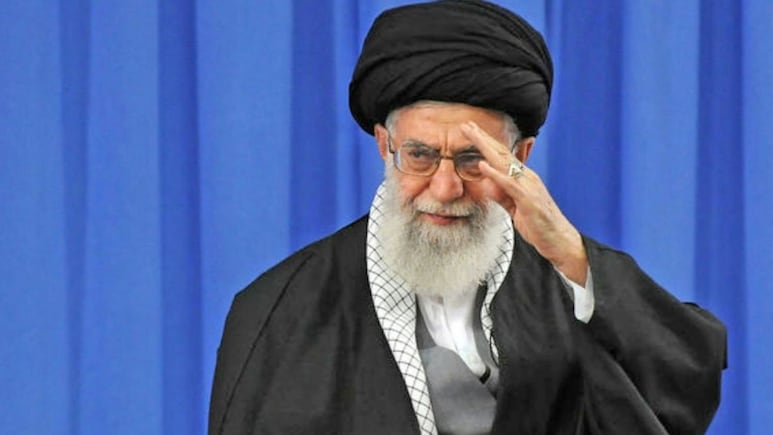
Protests in Iran over economic grievances have escalated into the most significant unrest the country has seen in years. Iran's Supreme Leader Ayatollah Ali Khamenei has dismissed anti-government demonstrators as “troublemakers” seeking “to please the president of the US.”
Iran has also written to the United Nations Security Council, accusing the US of turning the protests into what it described as “violent subversive acts and widespread vandalism.”
-

-
 Best Of NDTV World Summit 2026 | Defining Conversations, Big Ideas
 -
 PM Modi Says 'Parasite' Congress Hurts 'Honest' Dissent Movements
 -
 "Some Dreaming Of Disorder": PM Modi's Dig At Rahul Gandhi
 -
 PM Modi Highlights India's Firsts: Fast Breeder Reactor, Hydrogen Train, Asian Games Medals
 -
 "UN's Limits Clearly Visible": PM Modi Presses For 'New Solutions' At NDTV Summit
 -
 "World That Relied On India's Brainpower Now Trusts Its Mindpower": PM Modi
 -
 Non-Oil Trade With India Went Up 50% In 3 Years: UAE Minister At NDTV Summit
 -
 "Some Dreaming Of Disorder": PM's "Failed Product Of Congress" Jibe At Rahul Gandhi
 -
 'Viksit Bharat Not Just For Us': PM Modi's Top Quotes At NDTV World Summit
 -
 Has Indian Cuisine Arrived At The Global Stage? What Vir Sanghvi Believes
Some protesters have called for an end to the Islamic Republic, while others have demanded the return of the monarchy. According to human rights groups cited by the BBC, at least 48 protesters and 14 security personnel have been killed so far.
Amid the unrest, here is a closer look at Ayatollah Khamenei.
Early Life
Ayatollah Khamenei was born in 1939 into a religious family in Mashhad, a pilgrimage city in eastern Iran. He grew up during the years leading to the 1979 revolution that overthrew the Shah. During this time, he was repeatedly imprisoned by the security forces of the US-backed ruler Mohammed Reza Pahlavi, according to a report in The New York Times.
Khamenei rose through the ranks of the religious opposition as a close ally of Ayatollah Ruhollah Khomeini, who led the revolution and founded the Islamic Republic of Iran, the NYT report added.
Iran's Supreme Leader
After the revolution, Khamenei became one of the most trusted figures in the new regime and served as president for much of the 1980s. When Ayatollah Khomeini died in 1989, Khamenei, by then an ayatollah himself, was appointed Iran's supreme leader. He moved to consolidate control over the country's political, military and security institutions while cracking down on dissent to strengthen his position as the ultimate decision maker.
Authority Over Government And Military
As supreme leader, Khamenei sits above all branches of government. He appoints the heads of the judiciary, state media and key security agencies, and holds the final authority over who can run for president. He also oversees Iran's foreign and military policy, controlling the Revolutionary Guards Corps, which protects Iran's Islamic system, and the Quds Force, which directs Iran's operations across the Middle East. His authority extends to the nuclear programme, placing him at the centre of Iran's confrontation with Israel.
Regional Influence And Security
For decades, Khamenei has led Iran's hard-line foreign policy, positioning the country as a counterweight to American, Israeli and Saudi influence in the region. Under his leadership, Iran has trained, armed and funded a network of proxy forces from Lebanon to Yemen, allowing Tehran to project power without waging war on its own soil. His movements are tightly controlled, and his location is rarely disclosed. His personal security is managed by an elite Revolutionary Guards unit reporting directly to his office.
Track Latest News Live on NDTV.com and get news updates from India and around the world


