- ByteDance's Seedance 2.0 is an advanced AI video generator that combines text, images, clips and audio
- Seedance 2.0 creates realistic videos with natural motion, synced sound, and accurate lighting effects
- The tool offers greater control by blending multiple inputs, aiding professionals in reducing editing time
ByteDance, the Chinese tech giant that owns TikTok, has launched a new AI video generator called Seedance 2.0. The company says it marks a major leap in how realistic AI-made videos can look and sound. Within hours of its release, the tool was being praised for its quality - and criticised by Hollywood (Motion Picture Association) over copyright concerns.
Here's everything about the new AI tool:
What Is Seedance 2.0?
Seedance 2.0 is an artificial intelligence system that creates videos from different types of input. Unlike older AI video tools that relied mostly on short text prompts, this model can combine text, images, video clips and audio files, according to Forbes.
Users can upload multiple references at once. The AI then blends them into a single, polished video, the outlet further said in its report.
In simple terms, it acts more like a digital director than a basic prompt-based generator.
Why Is It Being Called A Breakthrough?
Users have always raised a common complaint with AI video tools - that the result often looks unrealistic. Objects would float, characters move unnaturally and physics did not make sense.
But Seedance 2.0 claims to fix that.
The model is designed to better understand how movement, sound and space work together. In demo clips shared by the company, figure skaters perform complex jumps with realistic motion.
Another scene shows a person hanging laundry, with fabric moving naturally and lighting shifting correctly.
The audio too appears closely synced to the action.
How Is It Different From Older AI Tools?
Most previous systems worked like this: Users typed a sentence - for example, "a woman walking on a beach" - and the AI tried to guess what that should look like.
Seedance 2.0 allows much more control. A user can upload a painting for visual style, a short dance clip for movement reference or a soundtrack for mood.
The AI will use all of that information to generate a new, cohesive scene.
For professionals, this could reduce editing time and cut production costs.
Who Can Use It?
Users are saying that the tool not only takes the video generation game to the next level, but could also appeal to advertising agencies creating short commercials, gaming studios building cinematic cutscenes, social media creators producing high-end visuals, and even independent filmmakers with limited budgets.
Why Is Hollywood Angry?
Almost immediately after its release, the Motion Picture Association (MPA) criticised Seedance 2.0. The trade body said in a statement that the tool can lead to large-scale copyright infringement.
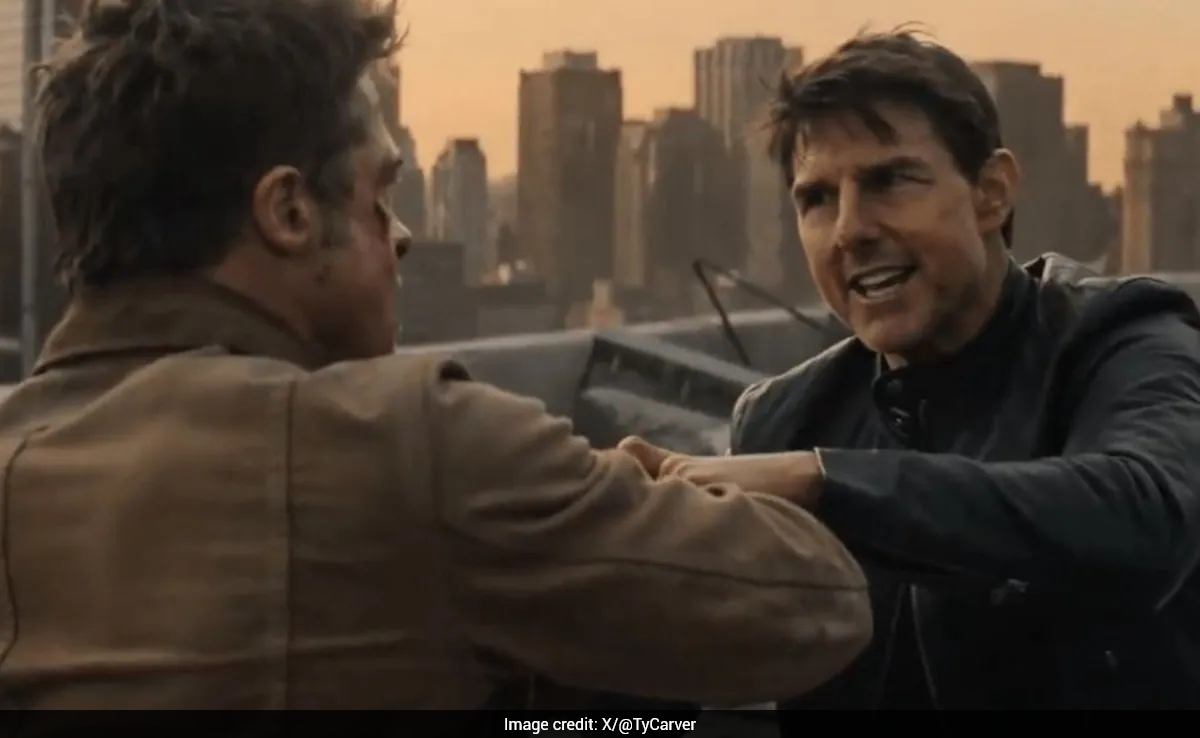
And the concerns seem to be valid. As soon as the tool launched, social media users started posting AI-generated clips referencing well-known film franchises. One widely shared video depicted actors resembling Tom Cruise and Brad Pitt fighting on a rooftop. Others echoed popular titles such as 'Spider-Man','Titanic' and 'Lord of the Rings'.
This entire movie like clip was generated by Seedance 2.0 AI from a simple text prompt pic.twitter.com/MO8unOWlbb
— ViralRush ⚡ (@tweetciiiim) February 12, 2026
The MPA argues that launching such a powerful system without strong safeguards risks violating copyright law and harming creative industries.
This is not the first time Hollywood has raised such concerns. Similar debates followed the release of OpenAI's Sora video model last year.
What Happens Next?
ByteDance has not said anything about the criticism. Other AI companies have introduced content filters or licensing agreements with studios to address similar concerns.
But it has led to a huge debate on social media that highlights a wider tension. Supporters see tools like Seedance 2.0 as democratising filmmaking - lowering costs and enabling individuals to create high-end content. On the other hand, critics warn of large-scale copyright infringement and potential disruption to creative industries.
As AI video tools grow more realistic, the question may no longer be whether they can mimic Hollywood but how Hollywood, regulators and tech firms respond.
Track Latest News Live on NDTV.com and get news updates from India and around the world


