When Russian troops crossed into Ukraine in February 2022, Western governments responded by throwing out hundreds of suspected Russian spies and cutting off firms linked to the Kremlin. The goal was to choke off Moscow's ability to gather intelligence and get hold of parts such as microchips and transmitters needed for weapons production.
According to the New York Times, many of those expelled operatives resurfaced somewhere few would have expected: Japan.
The report says Japan's loosely enforced espionage laws, combined with its advanced technology sector, have made it an important source for Russia's military needs. Ukrainian government estimates cited by the NYT suggest that around 90 per cent of Russian missiles and drones contain parts made in Japan.
At the centre of this network, according to the NYT, is a little-known Russian military intelligence unit called the 20th Directorate. Its officers reportedly pose as diplomats or businesspeople while working to acquire or steal battlefield technology, then smuggle it back to Russia. This account comes from current and former officials across five Western intelligence agencies who spoke to the newspaper.
The man said to be running the Tokyo operation is identified by the NYT as Maksim Vladimirovich Filchenkov, who uses a cover job at Russian state airline Aeroflot. Officials from four intelligence agencies told the paper he plays a key role in keeping Russia's military supplied.
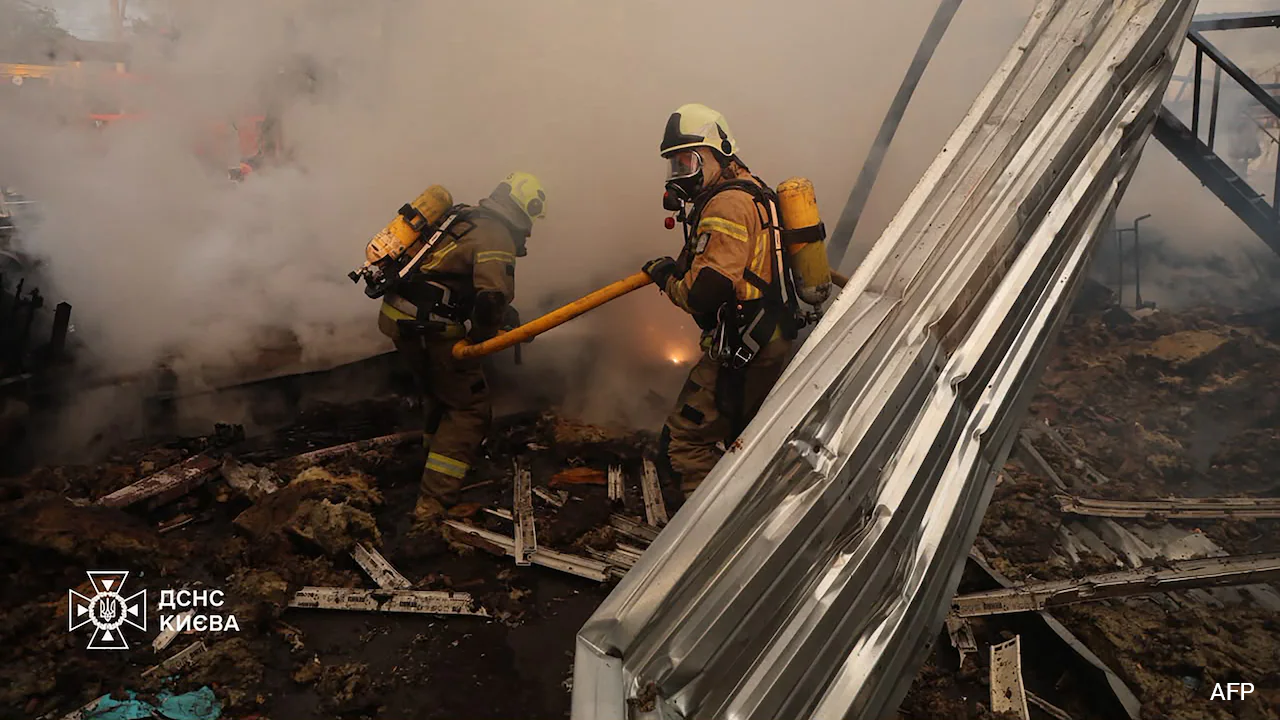
The human cost of this alleged supply chain is stark. The NYT report notes that in May, a Russian Kh-101 cruise missile hit a residential building in Kyiv, killing at least 24 people. Investigators who examined the wreckage reportedly found Japanese-made components inside the missile's guidance system, despite these parts being banned from export to Russia.
How The Spy Network Reportedly Works
Filchenkov, 49, took up his post in Tokyo in February 2024, the NYT reports, at a time when Russia badly needed new technology as the war shifted towards drone warfare. While China offered some help, the paper notes that nothing quite replaced the specialised machine tools and electronics that Western sanctions had put out of reach.
A veteran officer with Russia's military intelligence agency, the GRU, Filchenkov had already served one posting in Japan and reportedly built relationships with logistics firms shipping goods between Japan and Russia. Western officials have warned Japan that such ties allow GRU officers to buy sensitive technology under false pretences, sometimes using falsified shipping paperwork.
Aeroflot itself is not formally blacklisted in Japan, the report states, but has effectively stopped operating there due to a lack of available parts and services. Its business partners, however, are said to remain active.
Japan is described as the world's largest exporter of the kind of dual-use technology Russia wants. Rather than shipping directly to Russia, the report suggests smugglers route goods through third countries willing to trade with Moscow, with Vietnam identified as the largest recipient of Japan's sensitive technology, and in turn the largest exporter of such technology to Russia.
Ukraine's Repeated Warnings To Tokyo
According to the NYT, Ukraine has repeatedly flagged the issue to Japan's Foreign Ministry. In April 2025 alone, Kyiv reportedly sent at least eight formal diplomatic letters detailing evidence of Japanese components found in Russian weapons recovered from attacks on civilians. Roughly eight further notes followed over the year, the paper says, including photographs and lists of recovered parts such as circuit boards, transmitters and semiconductors.
Japanese firms named in Ukraine's documentation reportedly included Nippon Electric Corporation, Panasonic and Toshiba, though the NYT notes there was no evidence any of them knowingly supplied Russia directly. All the companies denied wrongdoing and said they follow Japan's export rules, with Nippon telling the paper the flagged components were old and had not been sold for years.
Japan's Ministry of Economy, Trade and Industry said it had issued warnings to companies and industry bodies about sanctions evasion and had blacklisted dozens of overseas entities suspected of helping Russia dodge export bans.
Japan has long been considered relatively easy territory for foreign spies, partly due to post-war restrictions imposed on its intelligence services. The country still has no dedicated foreign intelligence agency. Japanese officials told NYT that they are aware of the threat and are working to lift decades-old limits on intelligence gathering.
Despite the allegations, Japan has shown clear support for Ukraine. It joined US and EU sanctions against Russia on the day of the invasion and later began sending military supplies including bulletproof vests and helmets, breaking with its post-war precedent. Under Prime Minister Sanae Takaichi, the country has also launched a programme aimed at strengthening its intelligence capabilities to better prevent illegal exports and counter espionage.
Track Latest News Live on NDTV.com and get news updates from India and around the world


